SCHULBAU Think Tank in Copenhagen 2025
The educational spaces of tomorrow are created where people across disciplines share ideas, develop visions and take responsibility. On 3 June 2025, the SCHULBAU Think Tank in Copenhagen became the focal point of this movement…
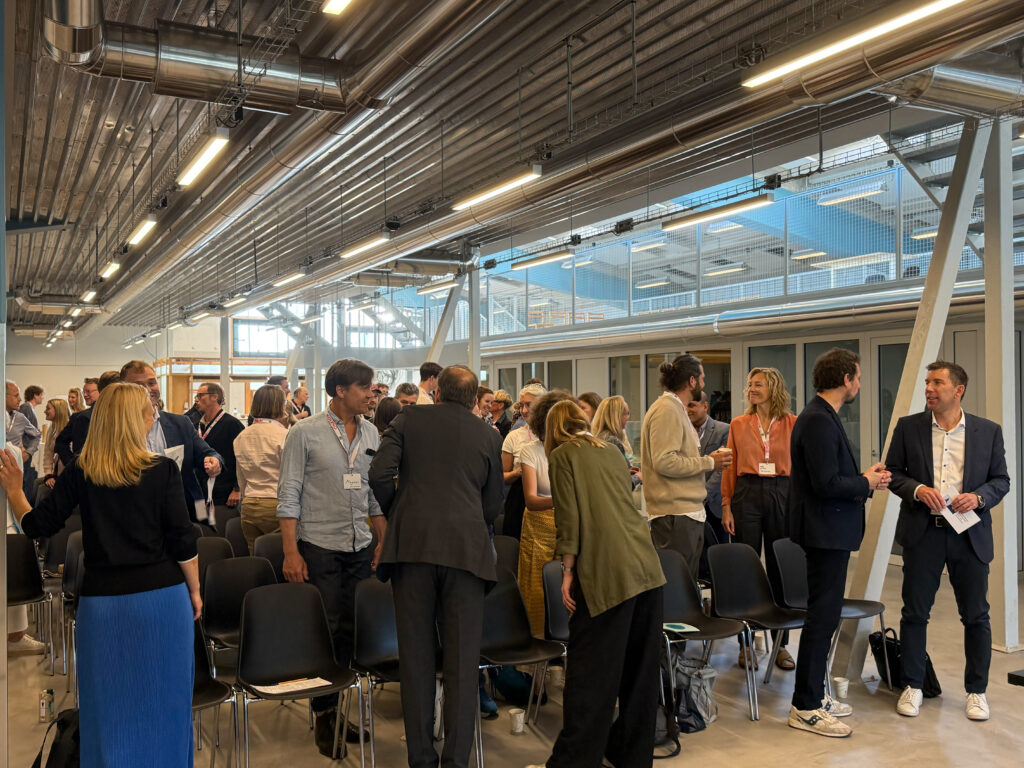
The educational spaces of tomorrow are created where people across disciplines share ideas, develop visions and take responsibility. On 3 June 2025, the SCHULBAU Think Tank in Copenhagen became the focal point of this movement – in the best early summer weather, with a full stage, large crowds and an atmosphere that was sustainably electrifying.
Opening with attitude – and a view far beyond the horizon
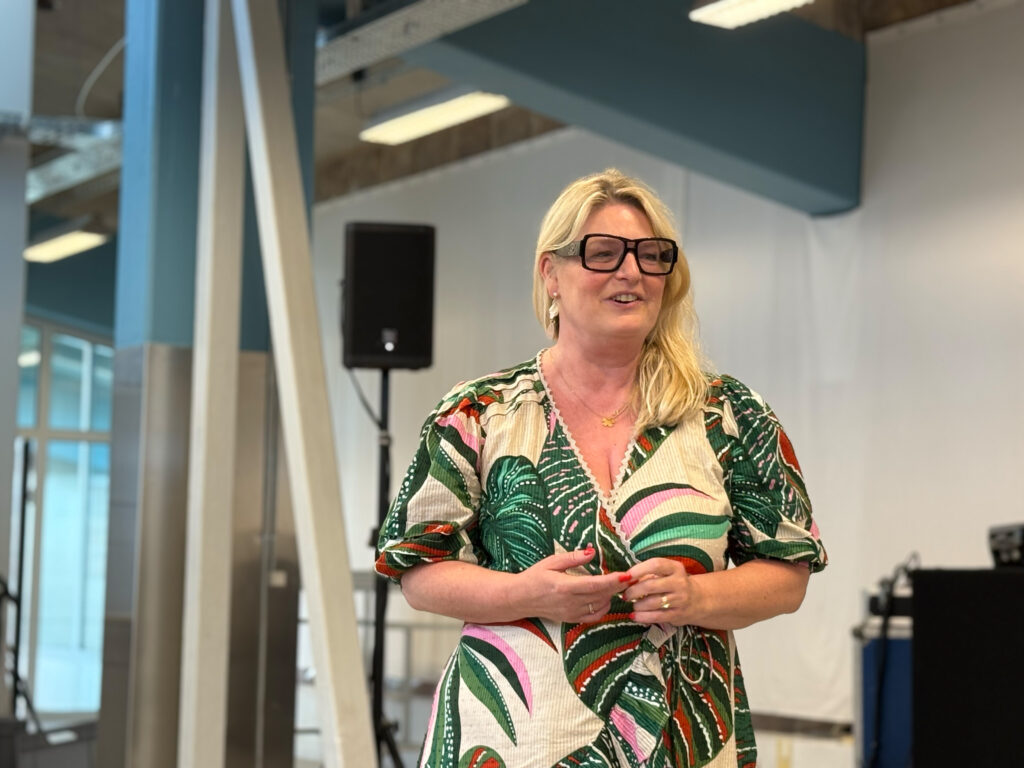
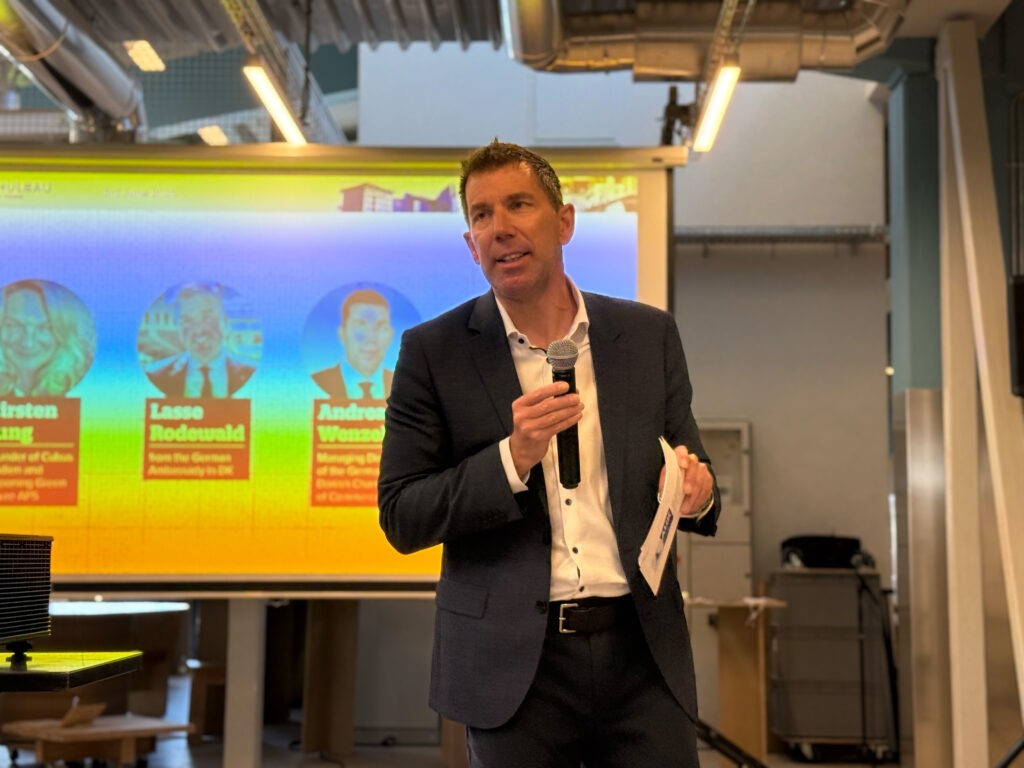
The day began with open words and genuine interest: SCHULBAU founder and CEO Kirsten Jung was joined by Lasse Rodewald (Head of Culture and Press Department at the German Embassy), Andreas Wenzel (Managing Director of the German-Danish Chamber of Commerce) and moderator and speaker Jan Krause (Professor of Architecture, Media Management at Bochum University of Applied Sciences) welcome guests. The opening paved the way for the multifaceted day with energetic impulses about climate-conscious educational construction – concise, inspiring and with a clear eye for relevant developments.
From the first minute, heads filled with ideas and notebooks with thoughts. The participants were there to learn, discuss, shape – and brought exactly this spirit of optimism with them.


Thinking about the future: pedagogy, space, relationship
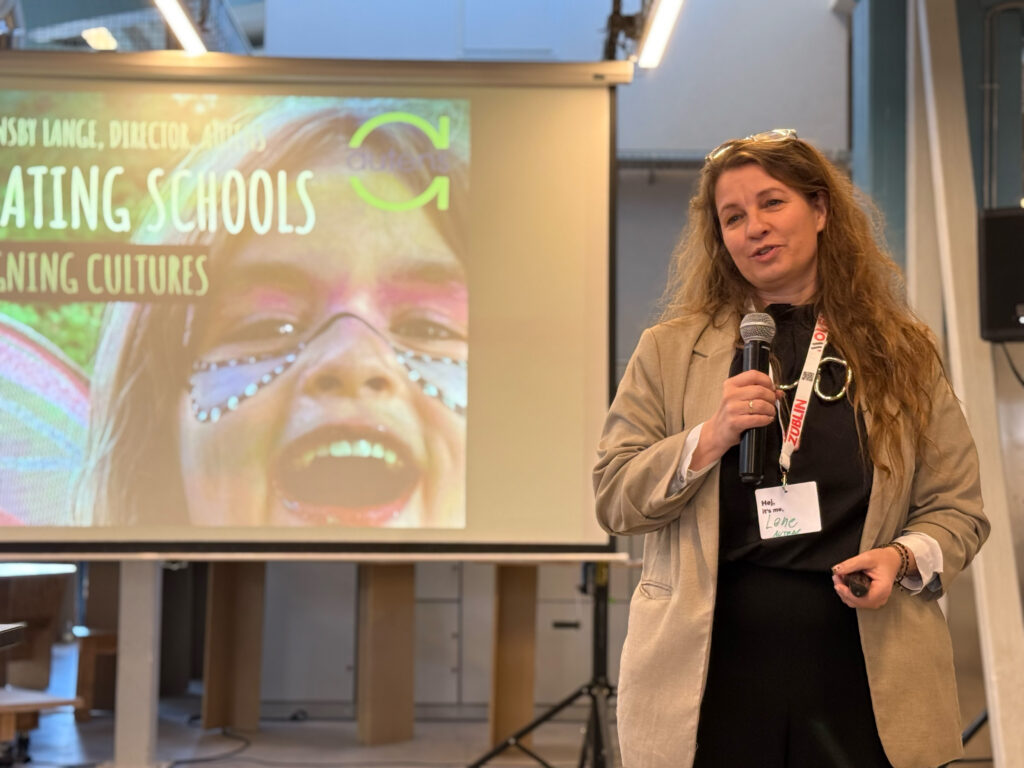
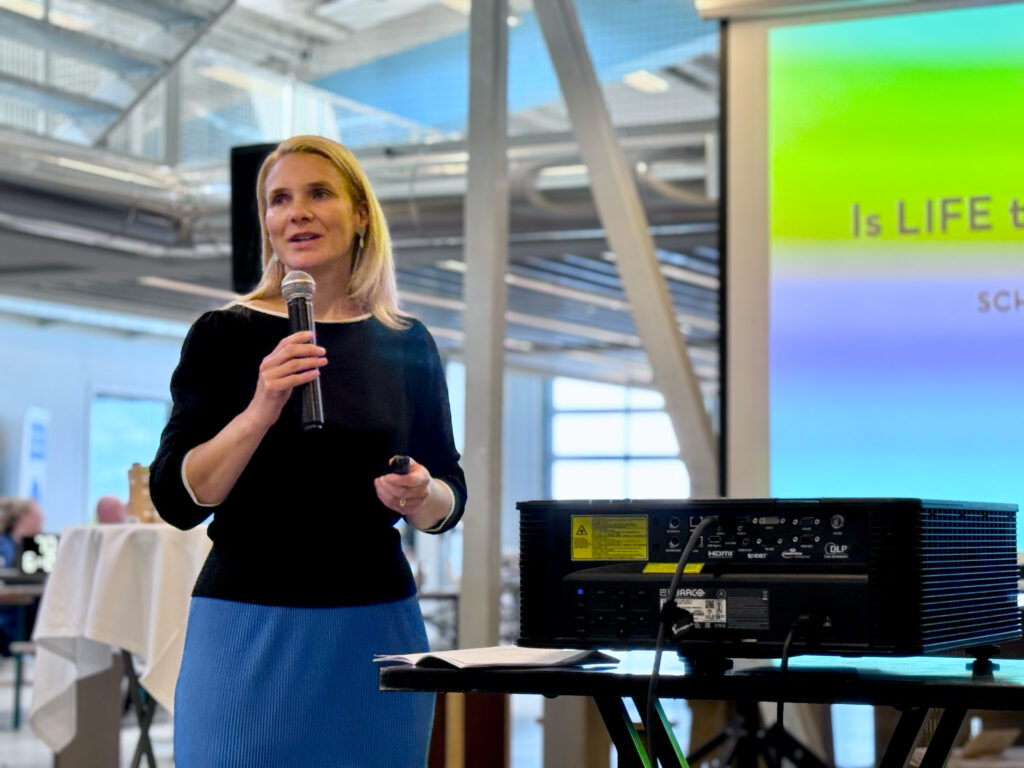
Lene Jensby Lange from the consulting firm Autens in Copenhagen kicked things off. With her passionate lecture, Lene Jensby Lange unfolded a vision of school as a living cultural space. Their message: Those who design educational spaces shape attitudes and enable belonging.
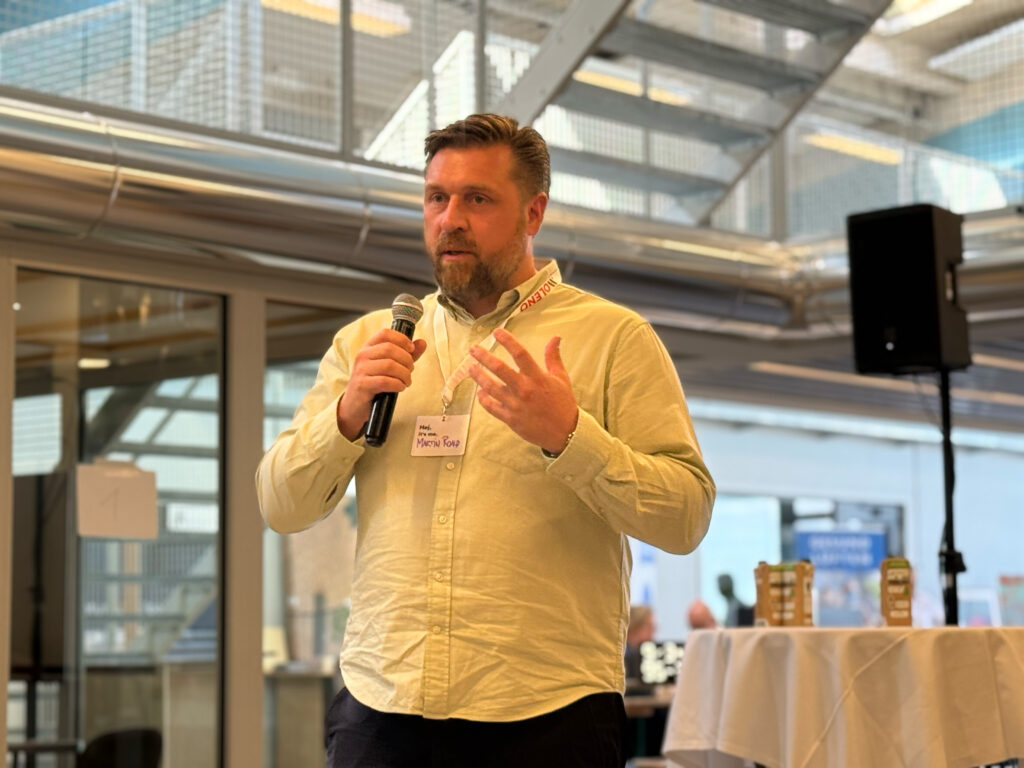
Martin Roald Schrøder Poulsen from the architectural firm Nerd Architects followed with a powerful analysis of architecture that thinks about all people. Martin Roald Schrøder Poulsen’s attitude: spaces should invite, appreciate, enable – for every form of learning and every biography.
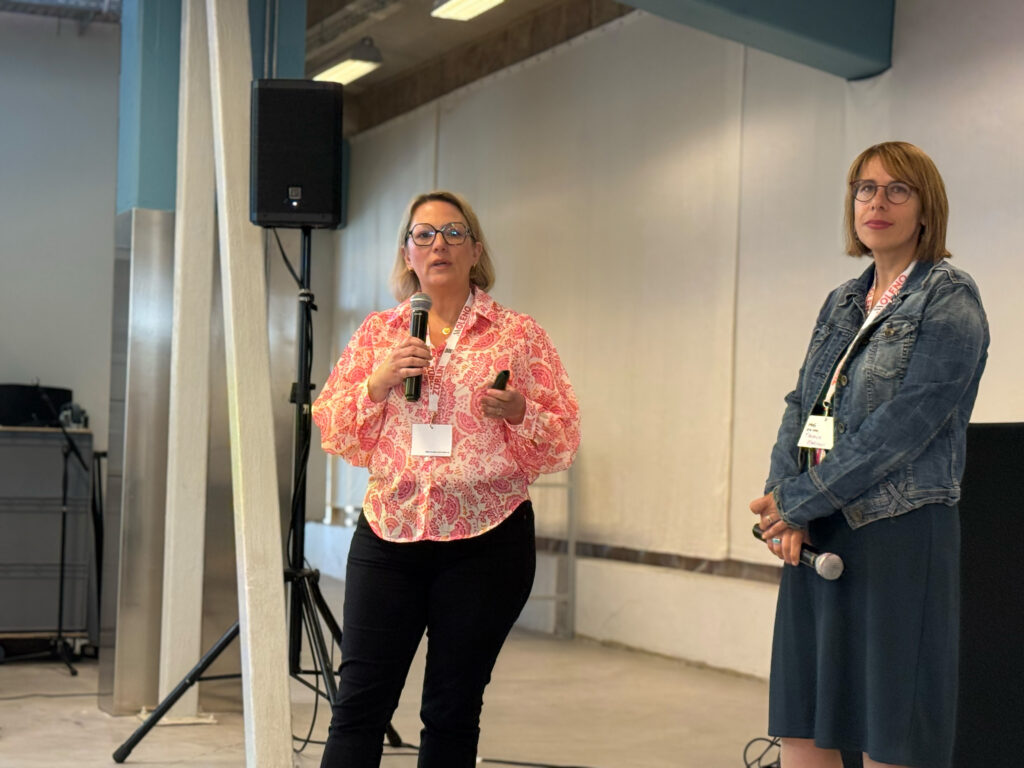
Tiziana Mariani and Stéphanie Poulain from the Ministère de l’Éducation nationale, de l’Enfance et de la Jeunesse in Luxembourg impressively demonstrated how intercultural diversity inspires new spatial concepts. Migration forms the basis for forward-looking, social school development.
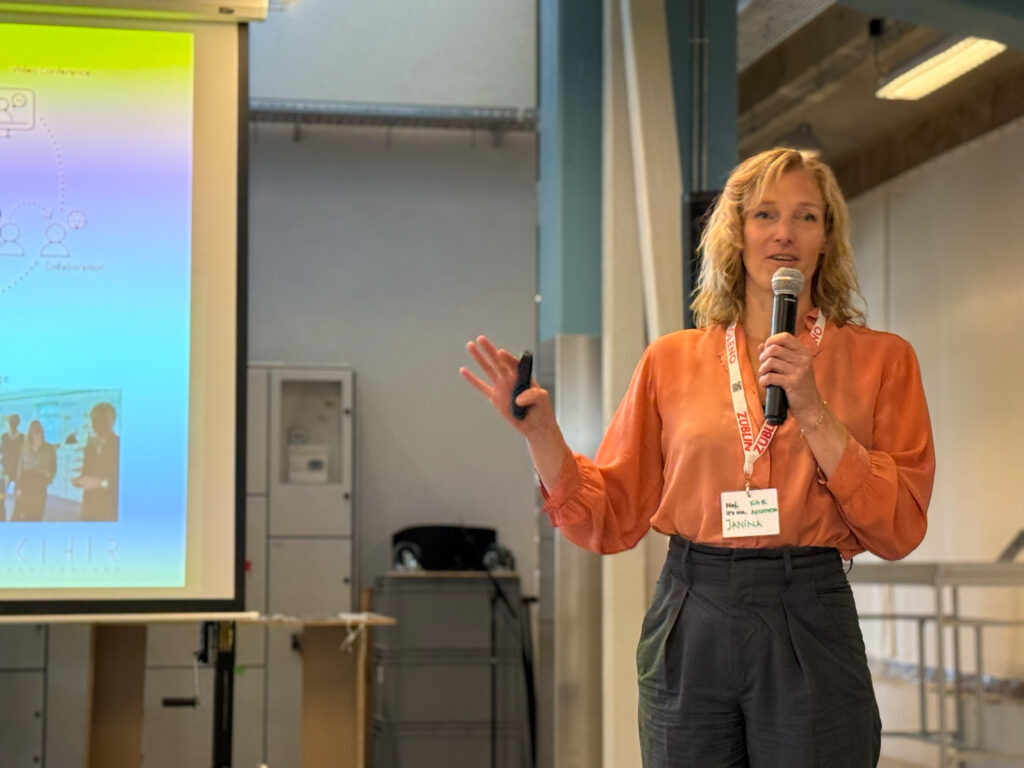
Janina Zerbe from KHR Architecture took the audience on an architectural journey between a remarkable school construction project in Nuuk and objects in Berlin and Hamburg – full of ideas on how learning spaces can be adapted, grown and opened.
Julia Erdmann from JES Socialtecture presented the “Principles of Life” – nine universal design ideas that create space out of community. The approach of Julia Erdmann and Indra Musiol combines architecture and sociology and provided strong impetus for the subsequent discussions.
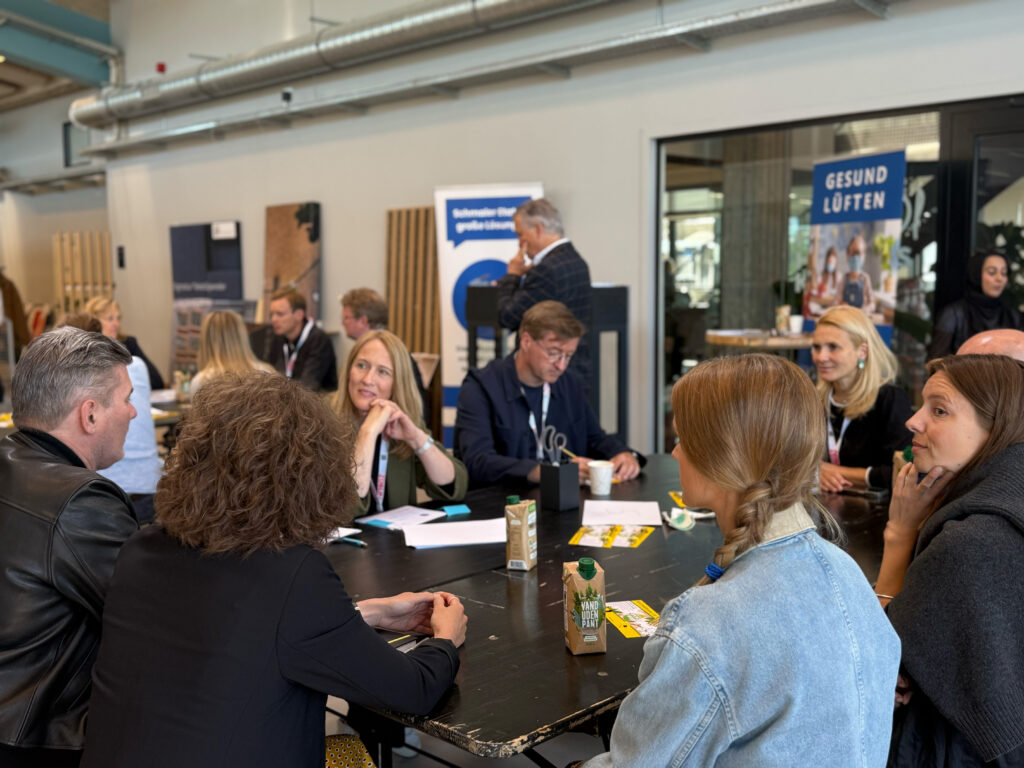
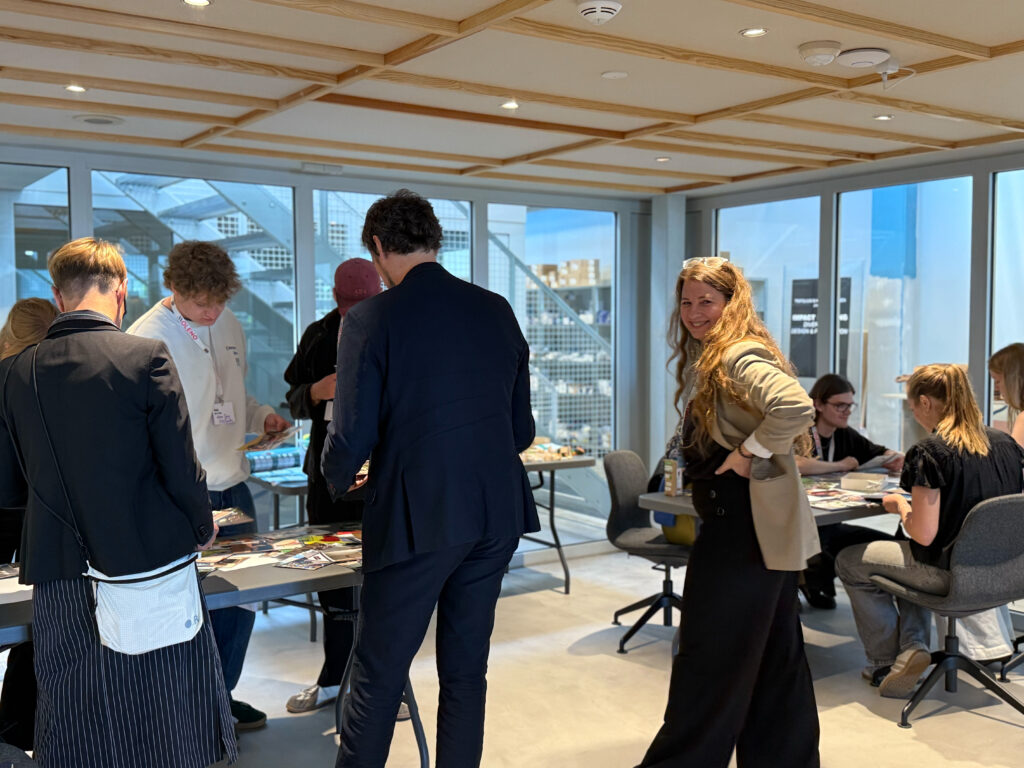
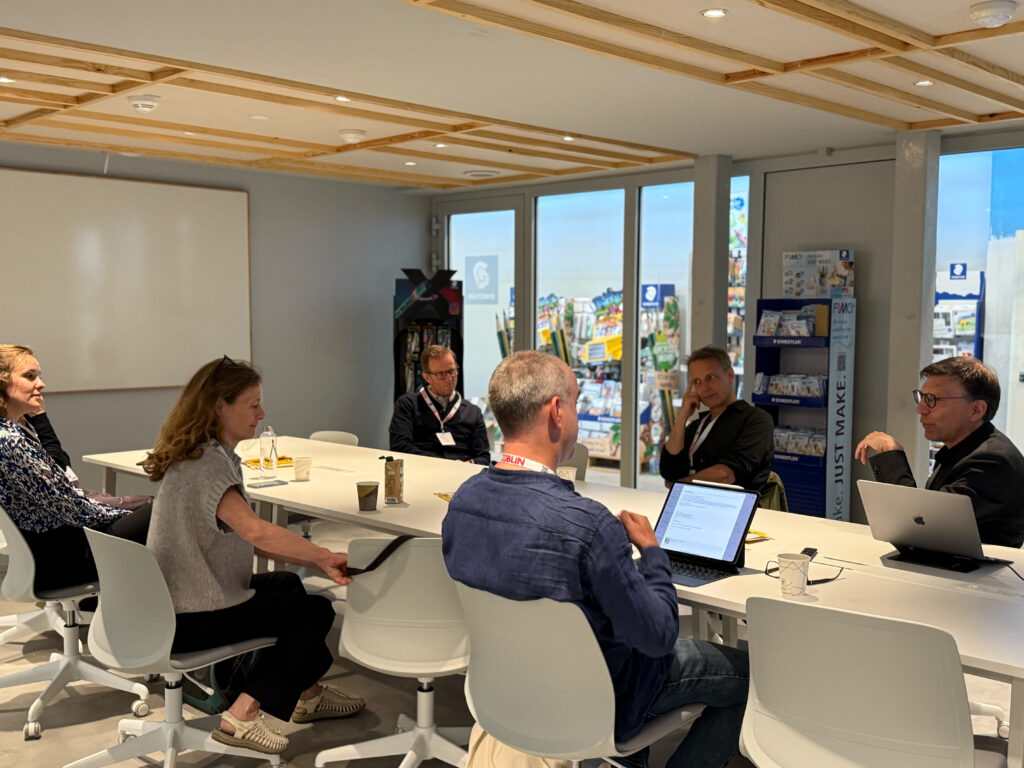
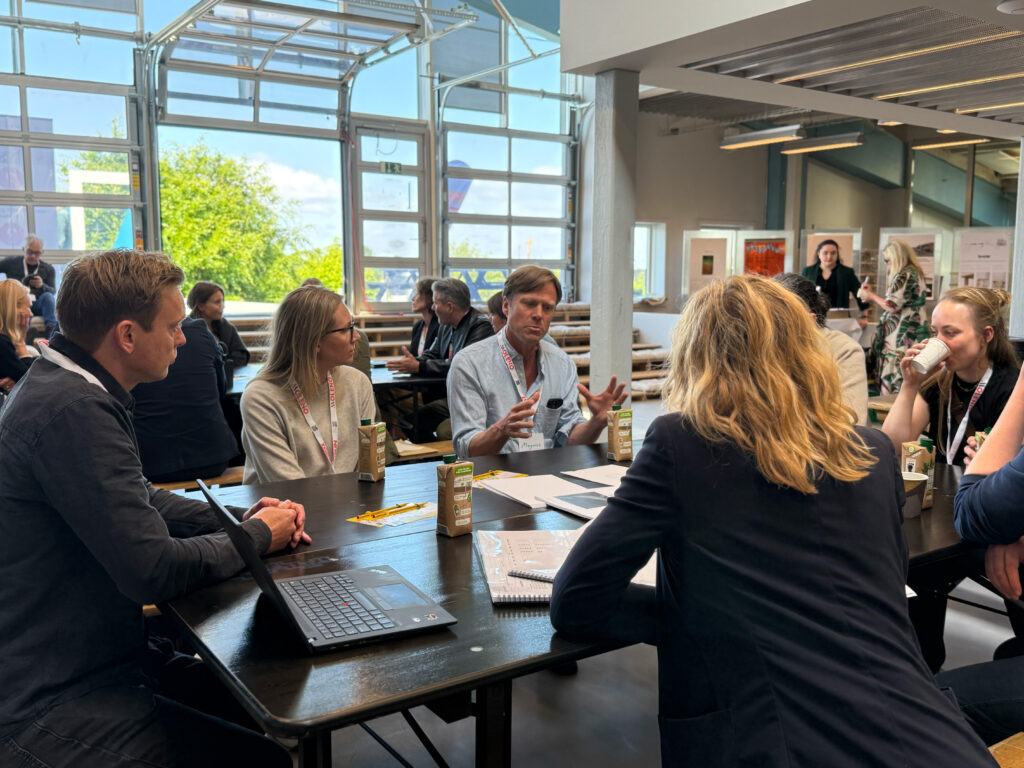
The workshop sessions with all speakers – supplemented by the AI workshop “The Flying Classroom” led by Jan Krause – transformed the morning into a real field of work for ideas, exchange and concrete projects.
Rethinking the Existing – Transformation as an Attitude
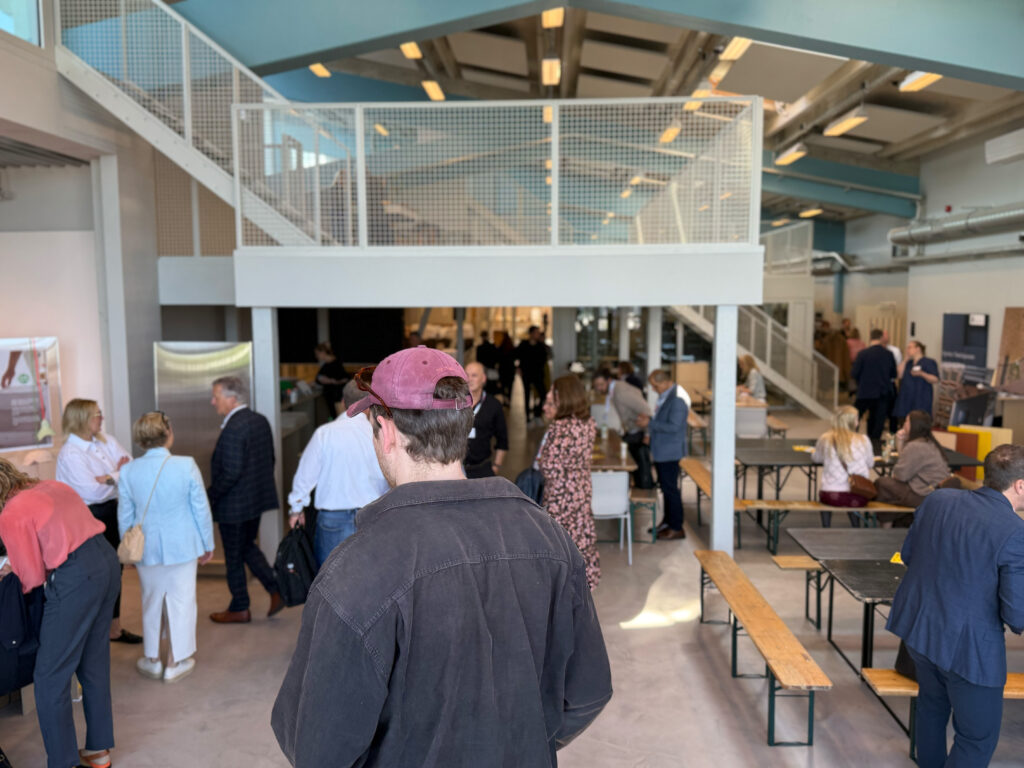
After a short break with conversations, Danish snacks and a view over Copenhagen’s rooftops, the second thematic block opened up new perspectives: How can existing public buildings be transformed so that they more than work?
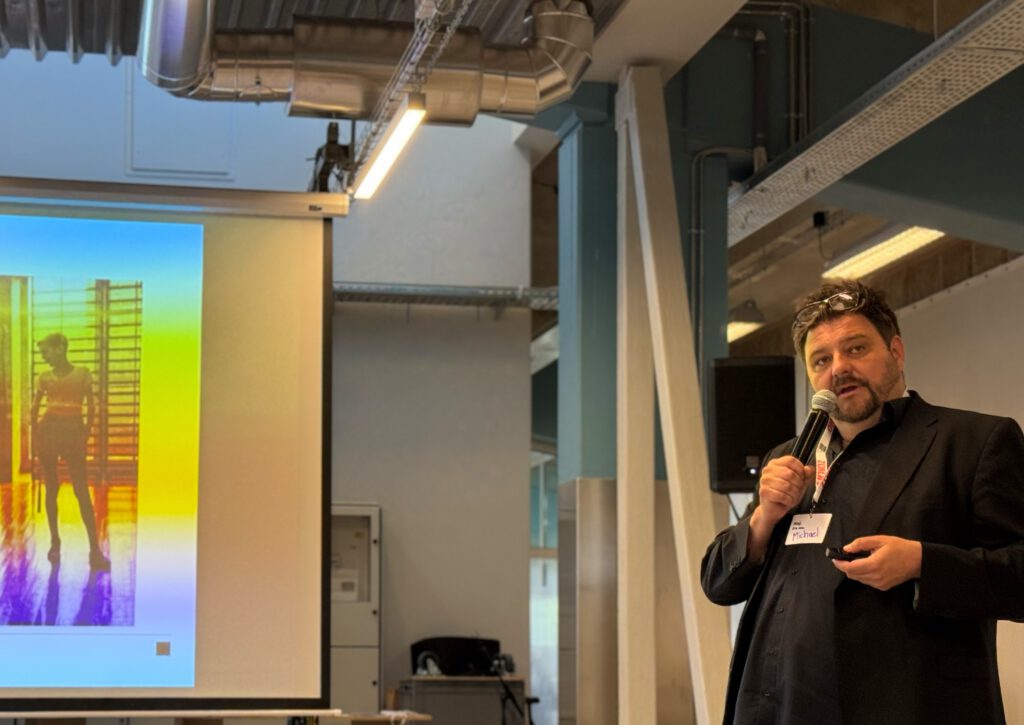
Michael Laungaard from LAARK presented the KVUC project in Copenhagen – a successful transformation that has given the building a new meaning and a strong learning identity.
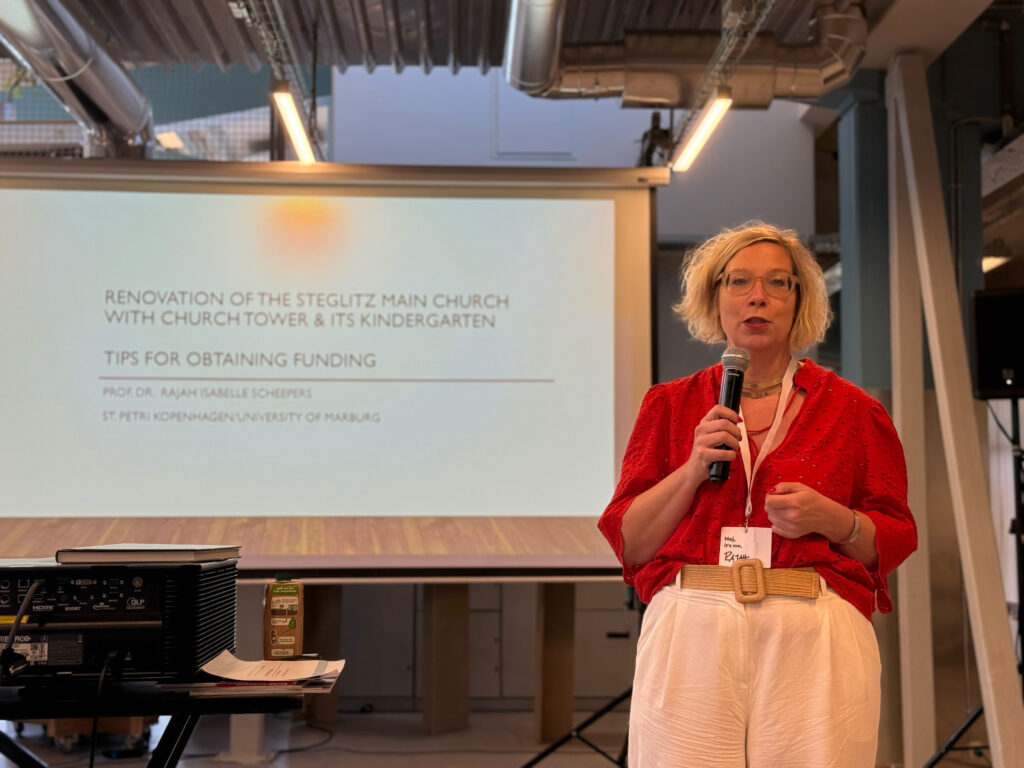
Rajah Scheepers from the main church of St. Petri Copenhagen gave insights into the conversion of a Berlin church into a daycare center – atmospherically dense, architecturally well thought-out and with valuable practical tips on funding financing.
Imke Täufer Krebs, head of the New Work Competence Team (KNA), inspired with a committed impulse on work culture in the public sector. Their message: Spaces shape behavior – and organizations grow where their environments provide space for it.
Felicia Nørgaard from Nordhus presented an impressive neighbourhood project from Copenhagen’s Nordhavn district, which makes neighbourhood building tangible through architecture.
Morten Rask Gregersen from NORD Architects presented the new planning of a school in Copenhagen’s listed slaughterhouse district – sensitive in its handling of history and strong in its expression of a communal future.
Kirstin Bartels, freelance architect and school construction consultant, closed the block with the multi-award-winning extension project of the Elisabeth-von-Thadden-Gymnasium in Heidelberg. The IBA project combines village structure with an educational vision – and shows how education can develop space in historically grown contexts.
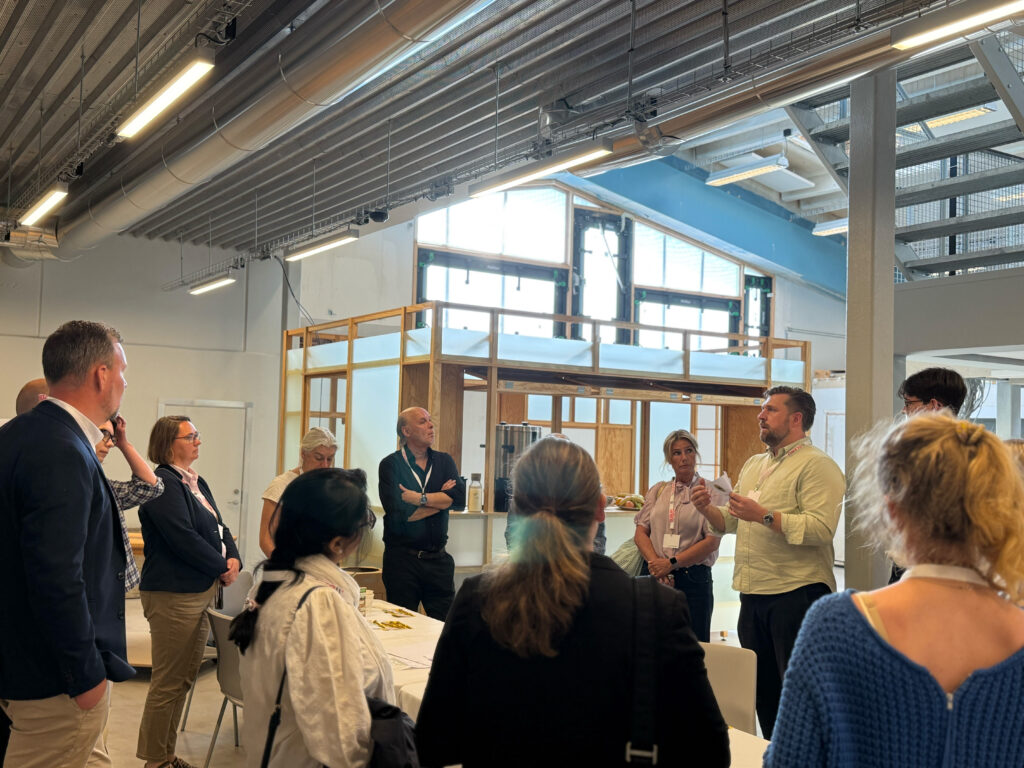
In the subsequent workshops for all lectures, impulses were deepened, questions were discussed and contacts were made – with noticeable enthusiasm and high participation.


City as a stage – Nordhavn as a laboratory for the future
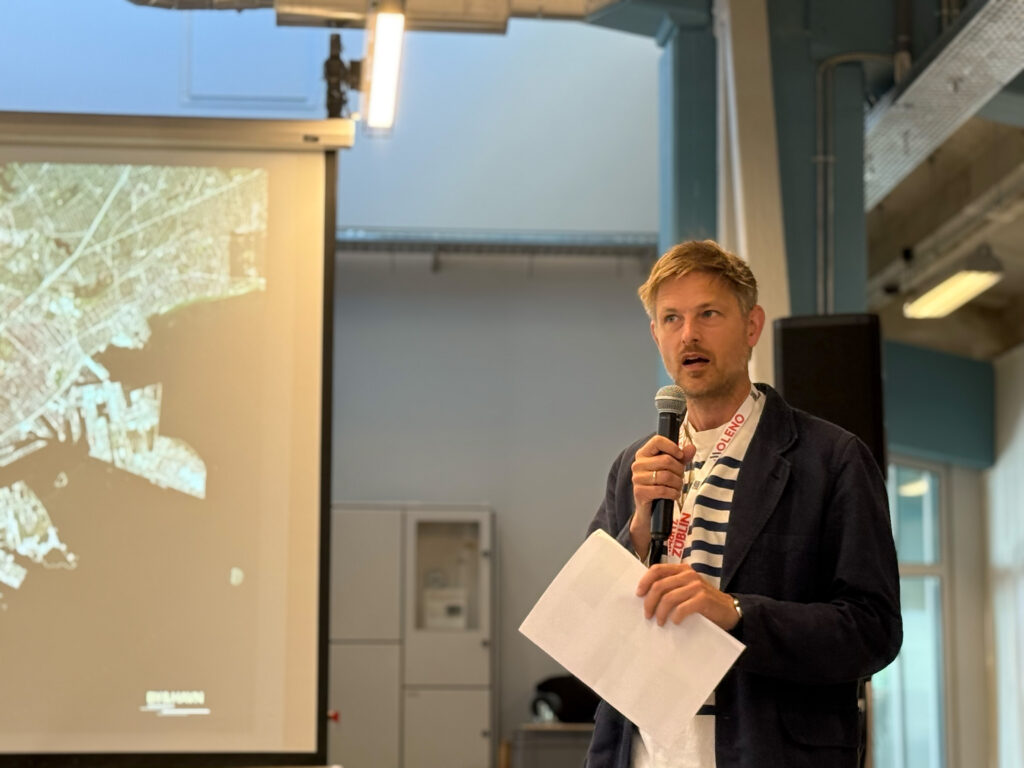
The third thematic block focused on urban development: Christian Dalsdorf from the urban development company By & Havn presented the “Nordhavn 2026” project – a project that combines educational spaces, sustainability and urban dynamism.
Johanne Dal-Lewkovitch inspired with the story of the “Tiny Church” – a temporary place for exchange, encounter and social participation in the neighborhood.
Frederik Lyng, Partner at BIG (Bjarke Ingels Group), spoke about the responsibility of architecture on the scale of the city. His perspective: Quality of life begins in the space between the buildings.
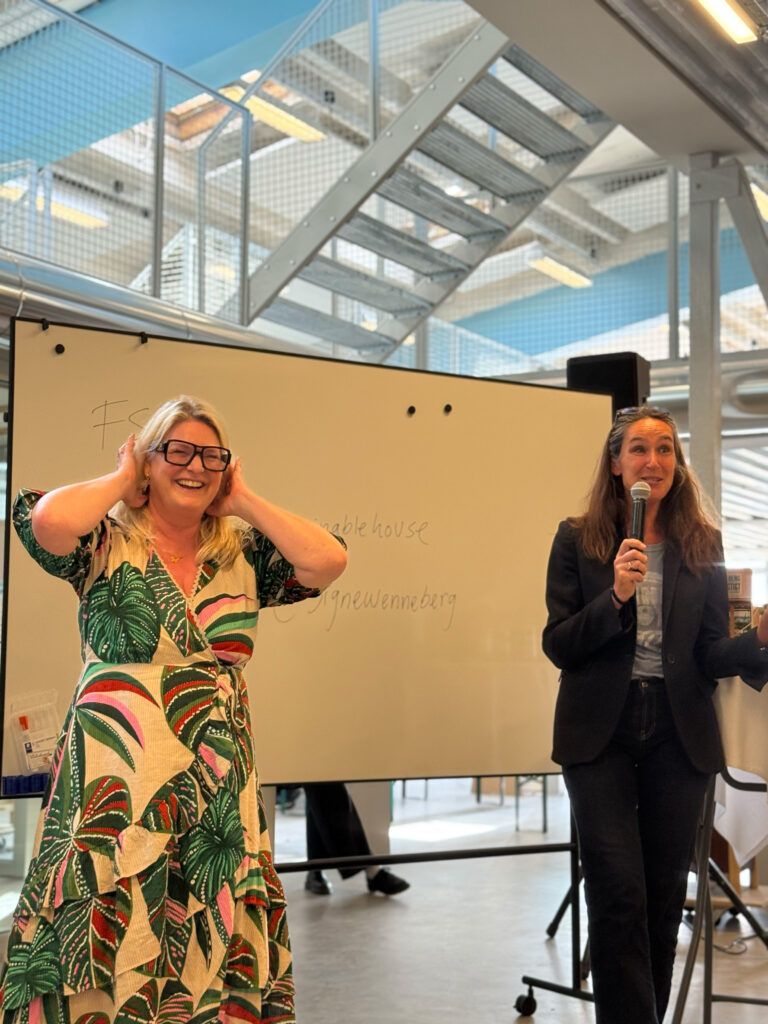
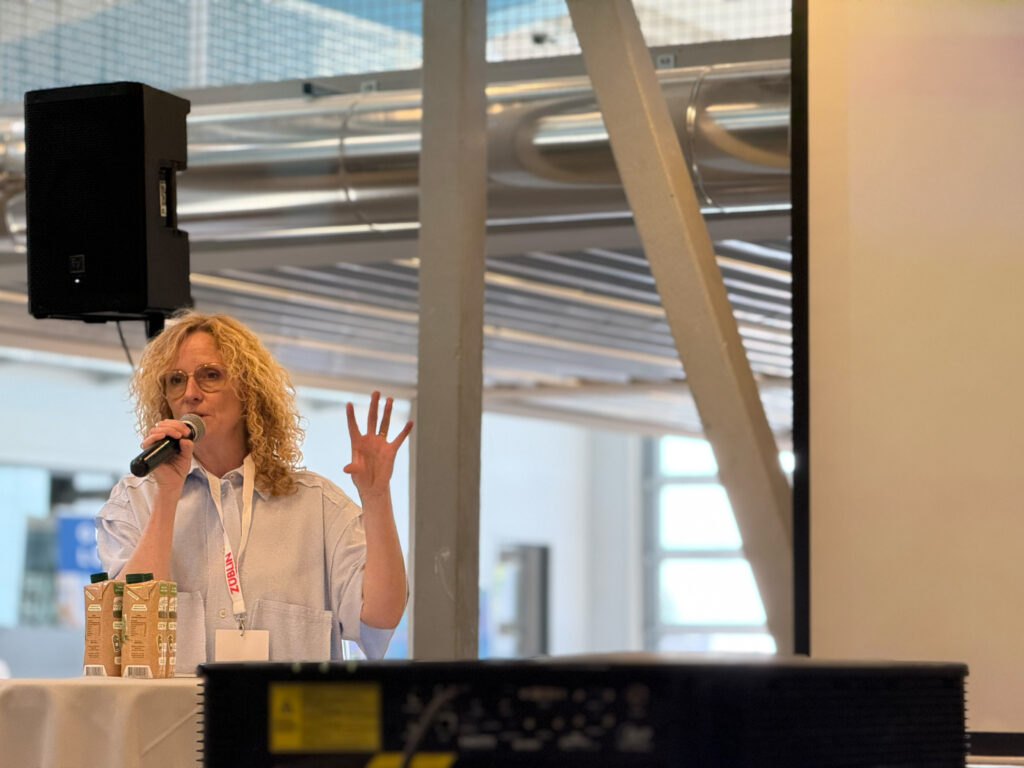
Then followed a performance that took the dynamics of the day to a new level: Signe Wenneberg. The journalist, author and activist impressed with a clear view, brilliant language and genuine passion for sustainable building. Signe Wenneberg sparked enthusiasm, made people think, and captivated the audience with her presence.
Tiny Church

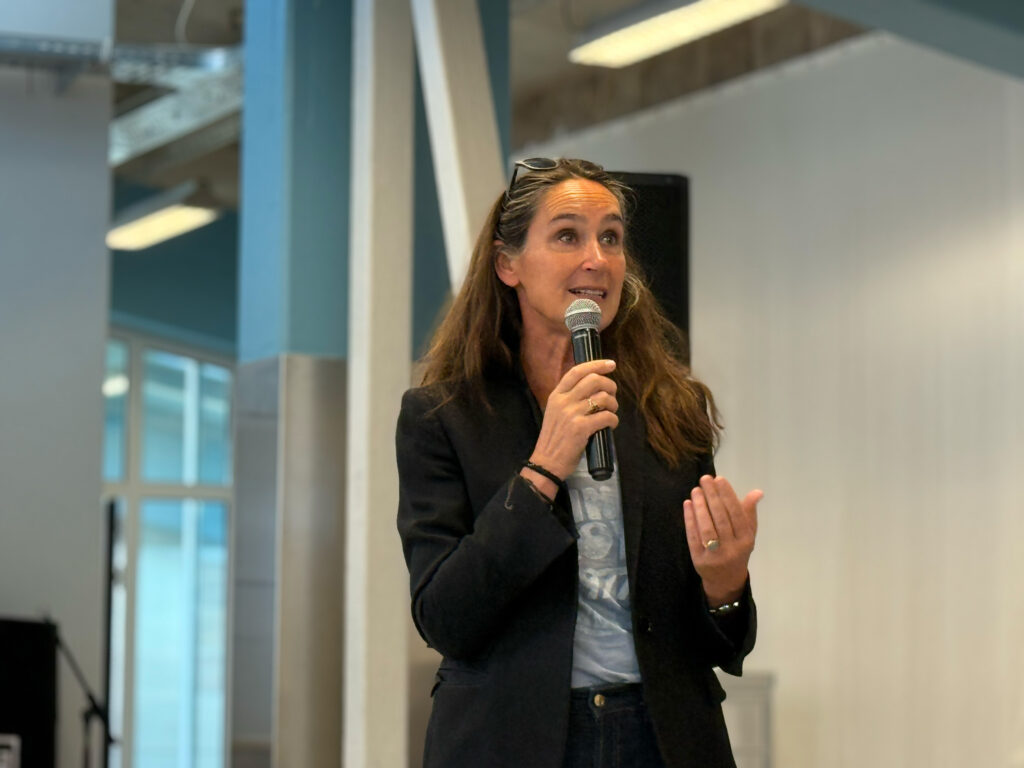
And then came Jan Gehl.
Jan Gehl – an architect of the human
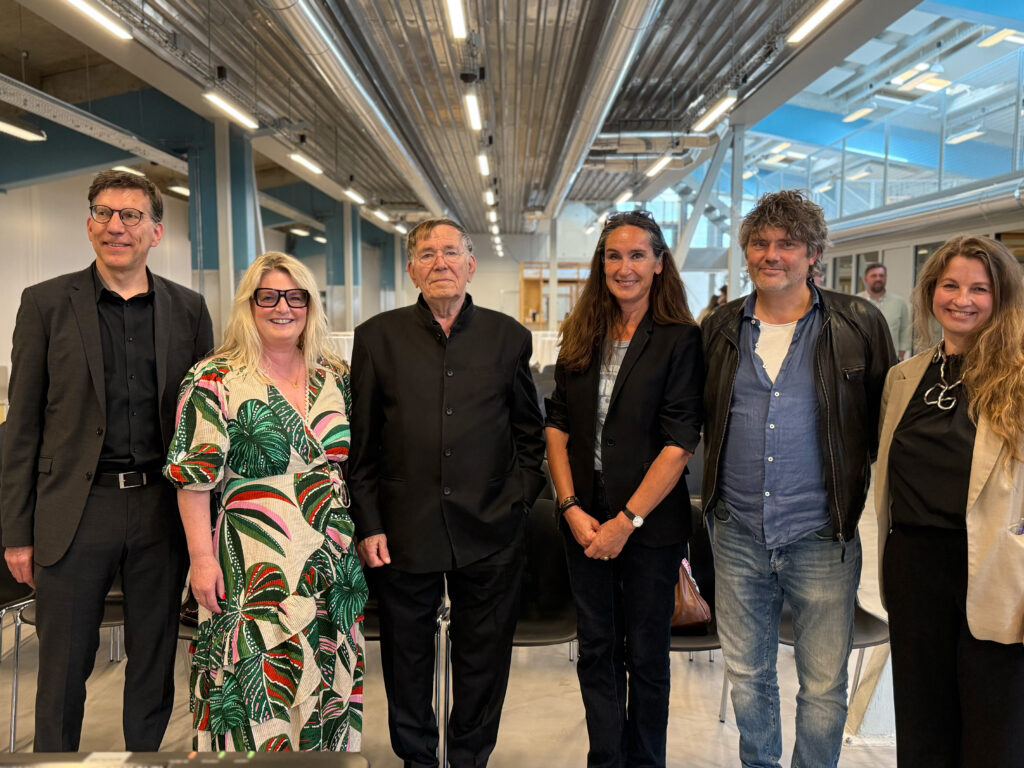
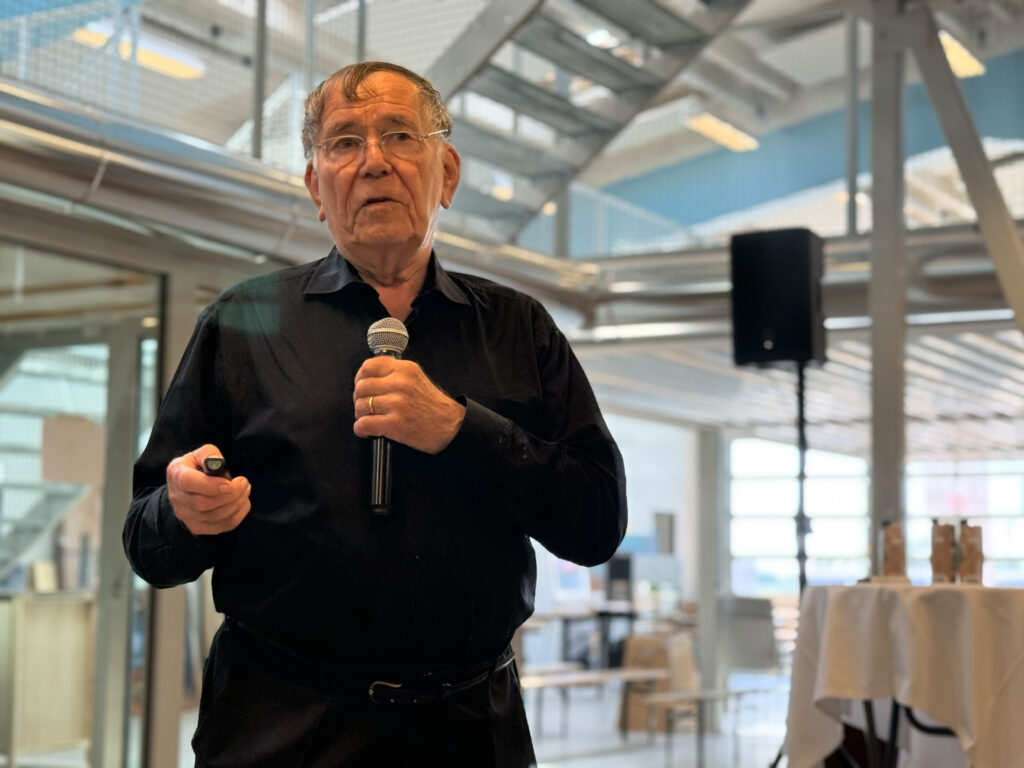
When Jan Gehl entered the stage, there was a silence that said more than words. The Danish architect and urban planner spoke about paths, squares and walking as a socially unifying action. About cities that think with people – not over them.
With warm humour, analytical acuity and fine storytelling, Jan Gehl brought together everything that made this day so special. His thoughts on the city as a living space reverberated, his examples had an immediate effect. The audience was completely with him – open, moved, inspired.
Jan Gehl filled the room with enthusiasm. The applause seemed like a collective sigh of relief – and at the same time like the prelude to many more conversations.
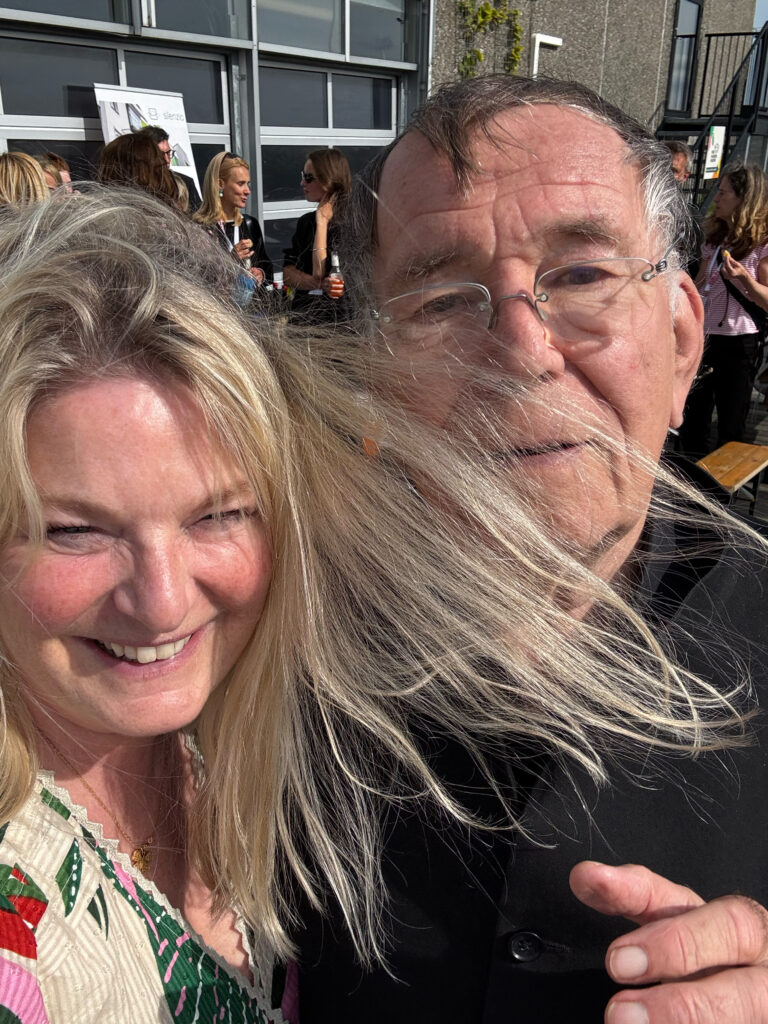
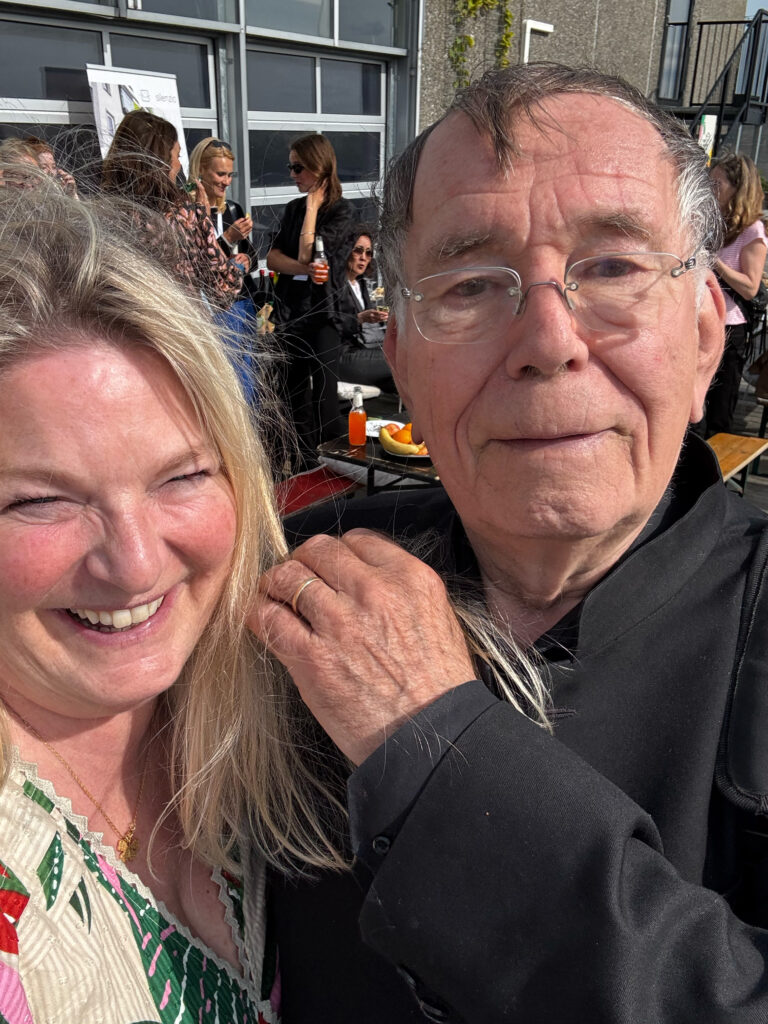
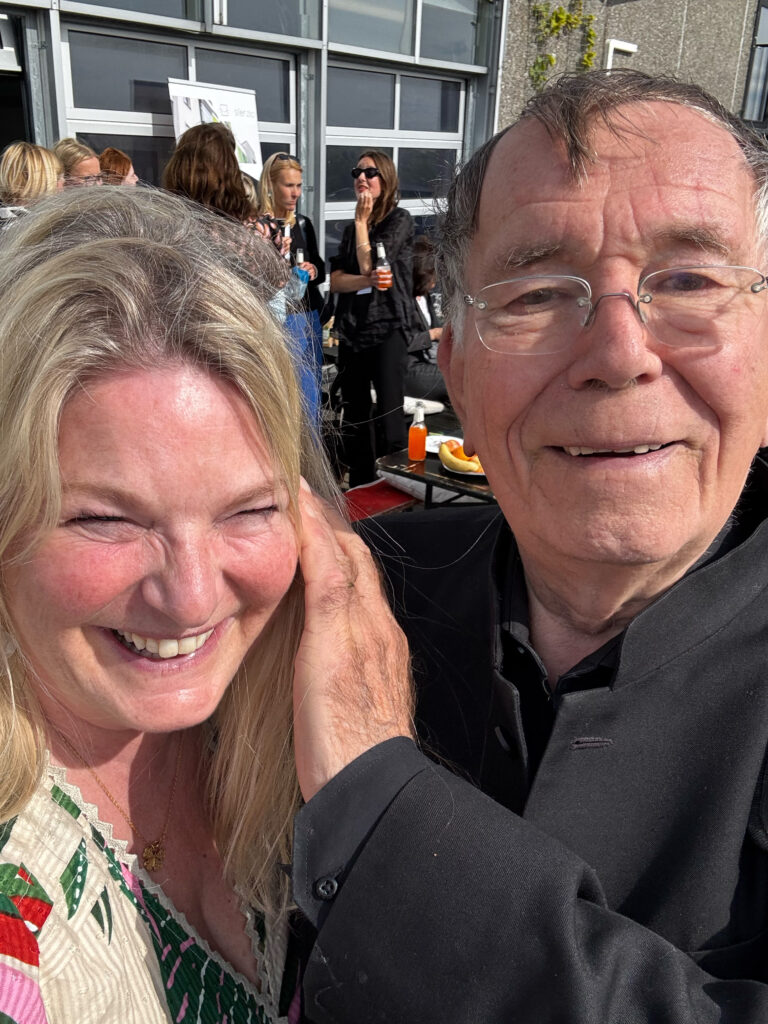
End with a view – and Danish sun
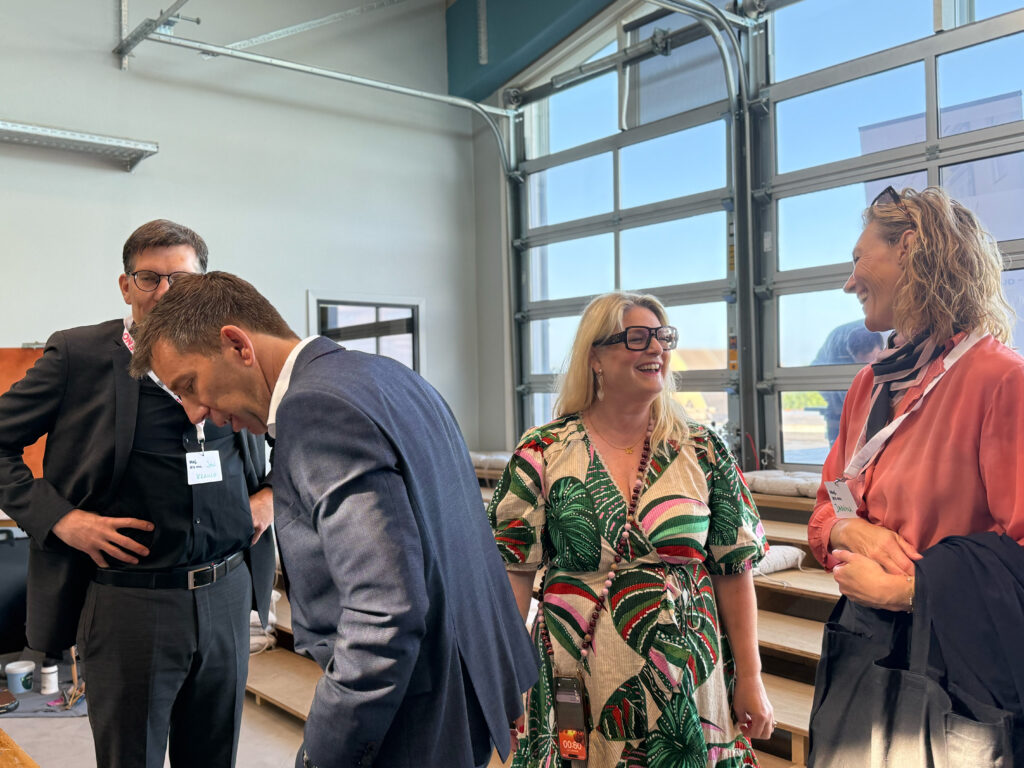
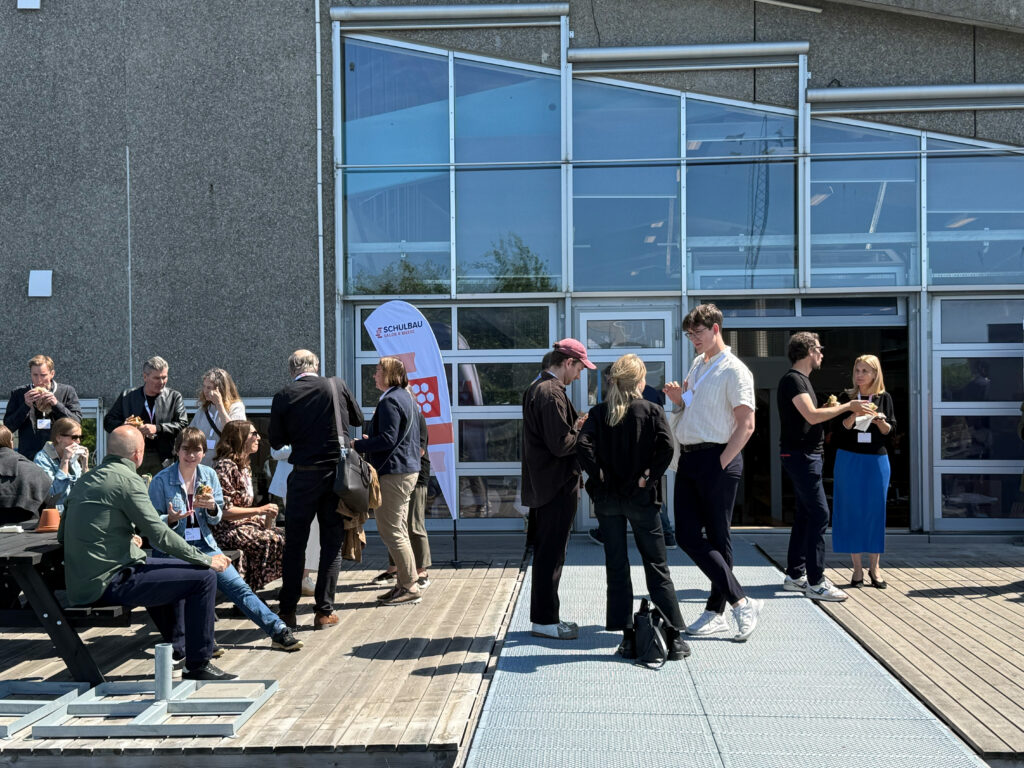
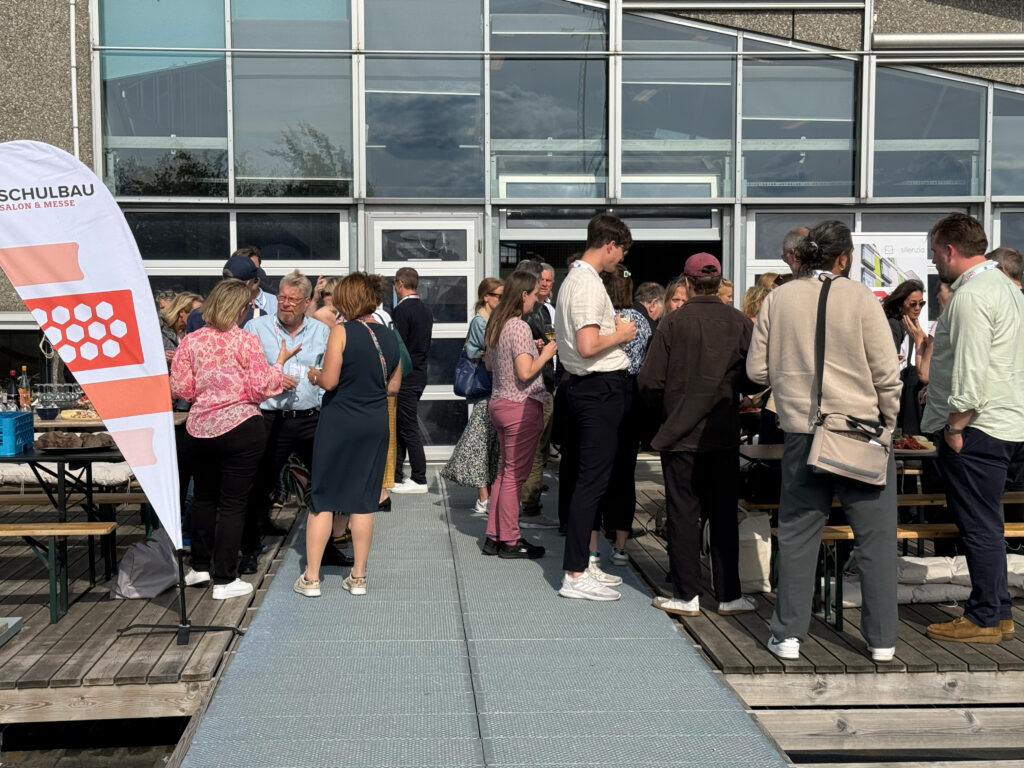
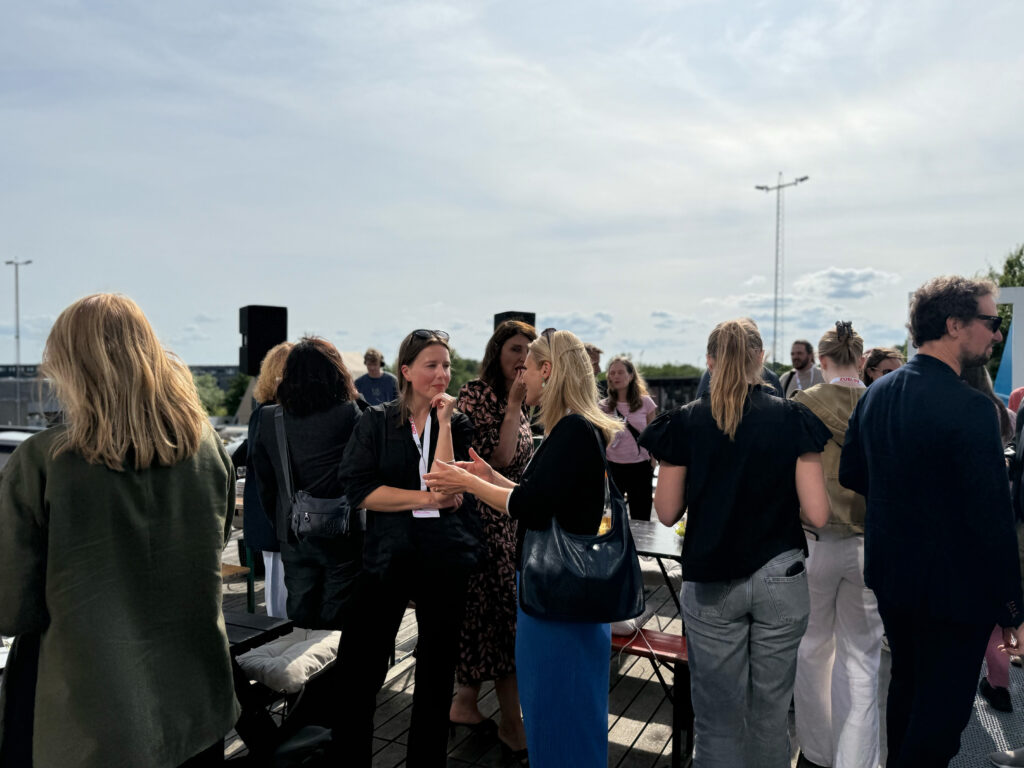
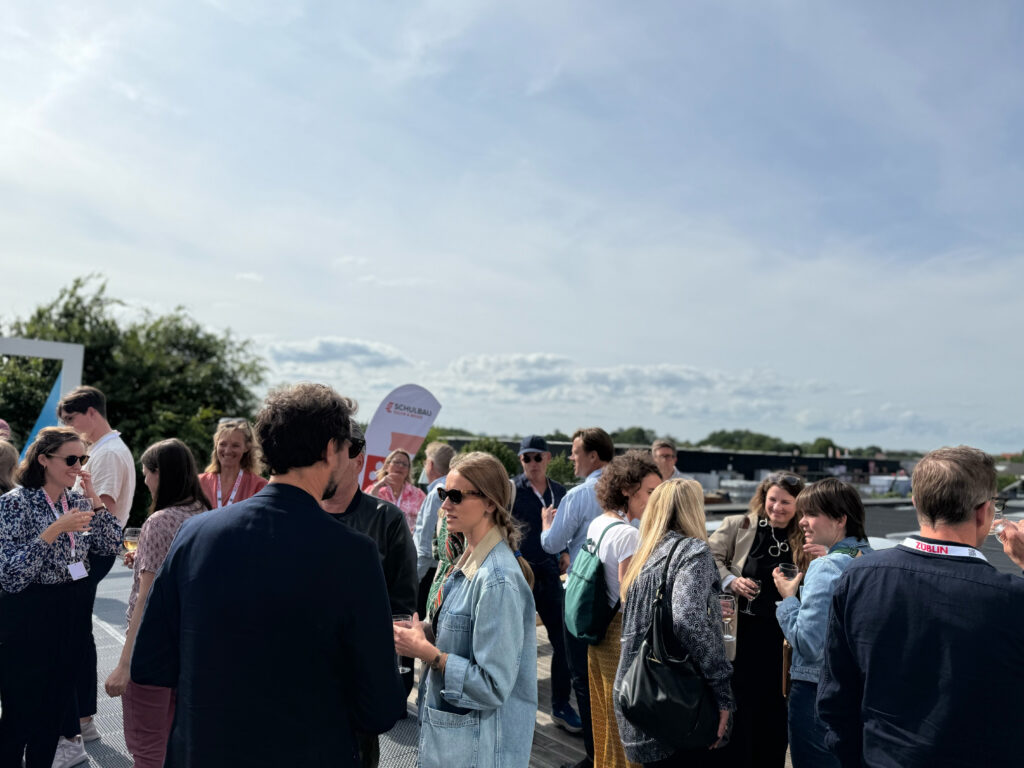
The “Connect & Chill” on the roof terrace showed once again that the SCHULBAU Think Tank in Copenhagen had not only initiated new ideas, but also created real connections.
With a view over the city, cool drinks, funky music from DJ Grooves and conversations that went on and on, the day came to an open, inspiring end. Many guests stayed until the evening – with the feeling that they had docked together on something relevant.

You might also be interested in
SCHULBAU Fair
SCHULBAU Essen 2025 – Successful industry meeting for educational construction