Rethinking Existing Structures: How Atelier Gardens, House 1 Became a Laboratory for Sustainable Building
House 1 in Berlin-Tempelhof: Transformation Instead of New Construction The project by MVRDV and Hirschmüller Schindele Architekten demonstrates how an office building can be transformed into a space for sustainable work and education.
Transformation Instead of Demolition: An Office Building in Berlin Creates Sustainable Educational and Workspaces
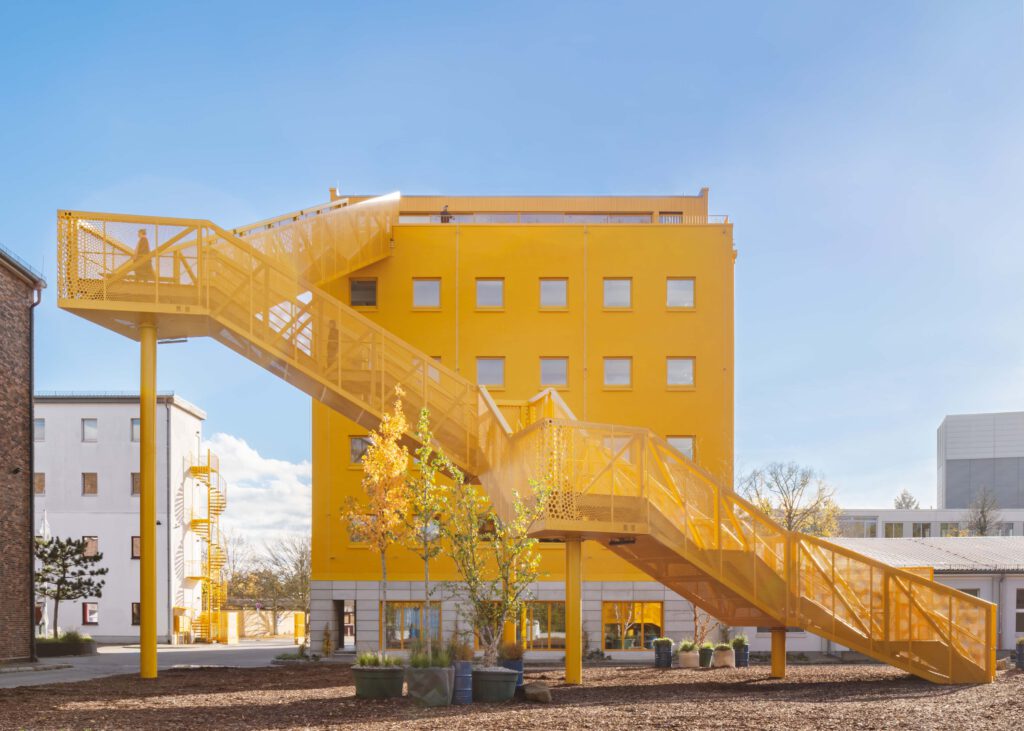
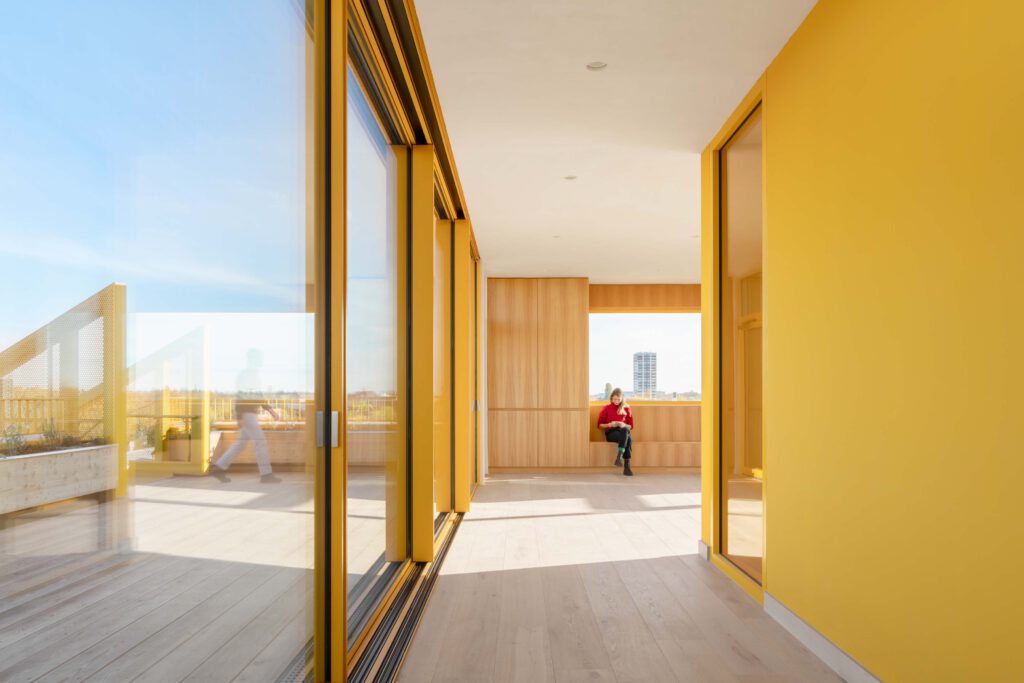
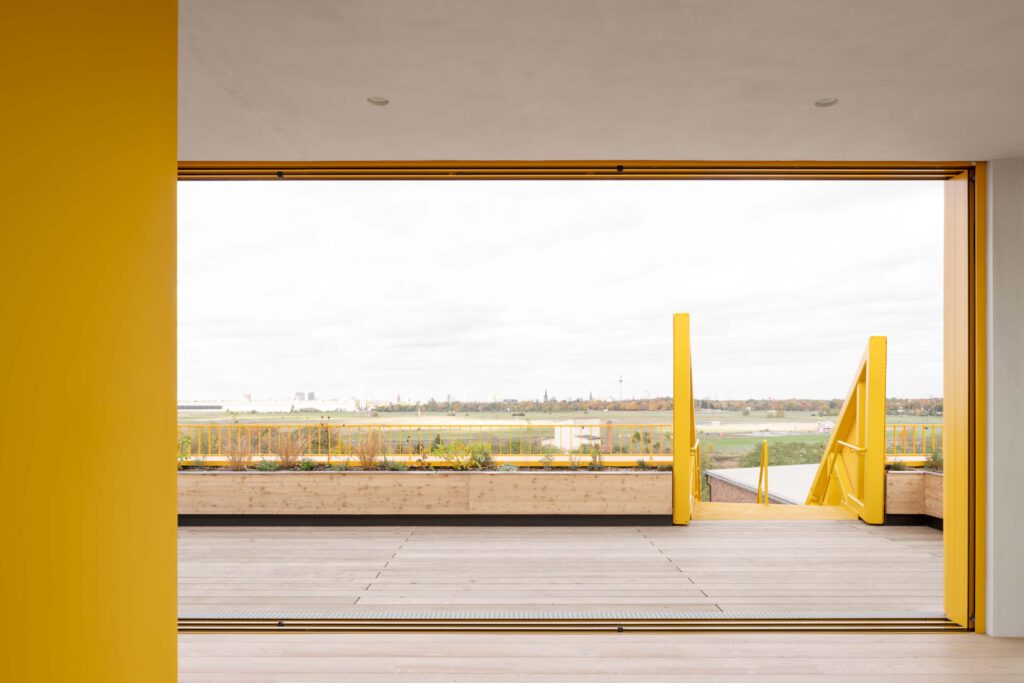
The campus at the former Tempelhof Airport was long considered an urban planning interstitial space. Today, the area, known as “Atelier Gardens,” is an address for social change – and House 1 is its architectural statement. Originally a conventional office building from the 1990s, it was transformed by MVRDV together with Hirschmüller Schindele Architekten into a versatile working environment. The goal was to preserve the existing structure while creating a place that fosters exchange, creativity, and responsibility.
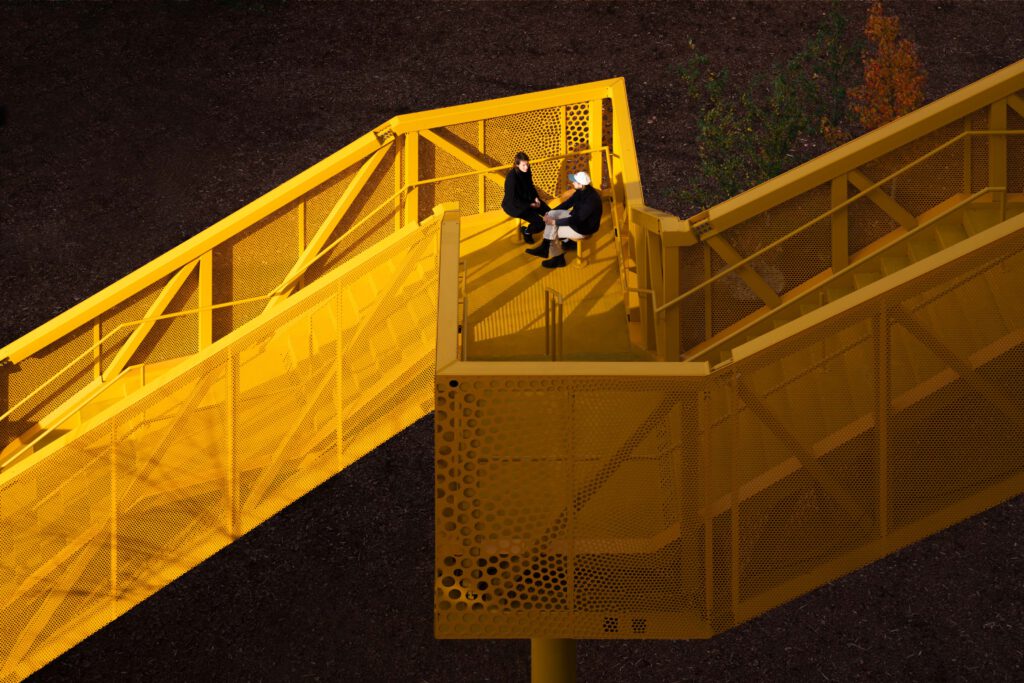
In close proximity to the Berliner Union Film Ateliers, once a significant production site in German film history, a place was created where NGOs, start-ups, and activists work together on solutions for social and ecological challenges. House 1 forms the entry point to this new district. The striking yellow structure makes the idea visible: existing buildings can become carriers for societal visions.
Architecture for Collaboration and Community Spirit
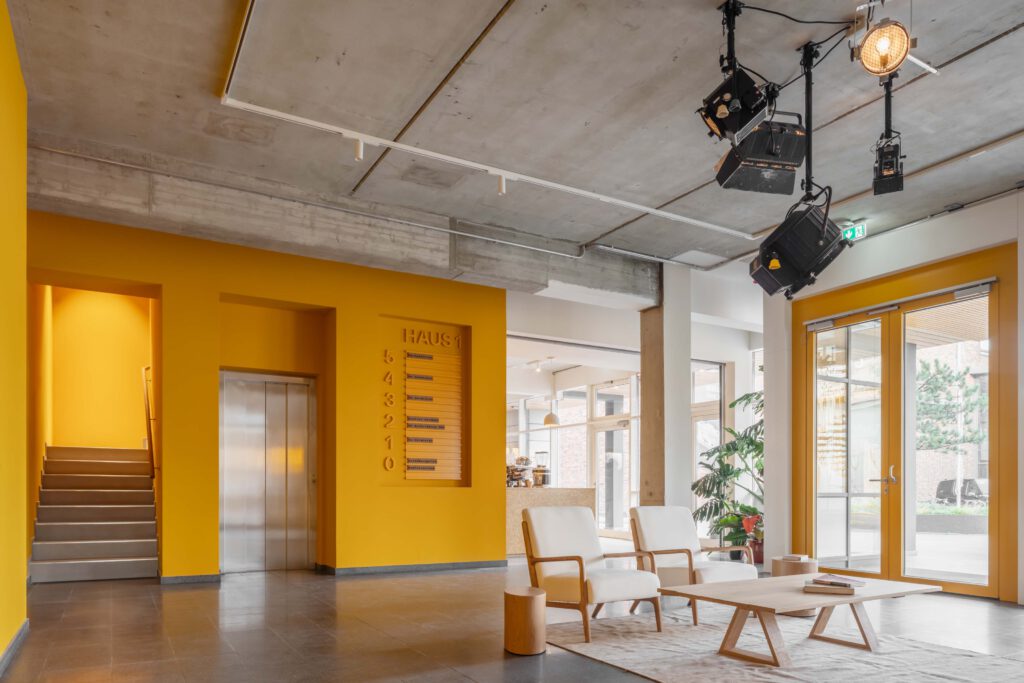
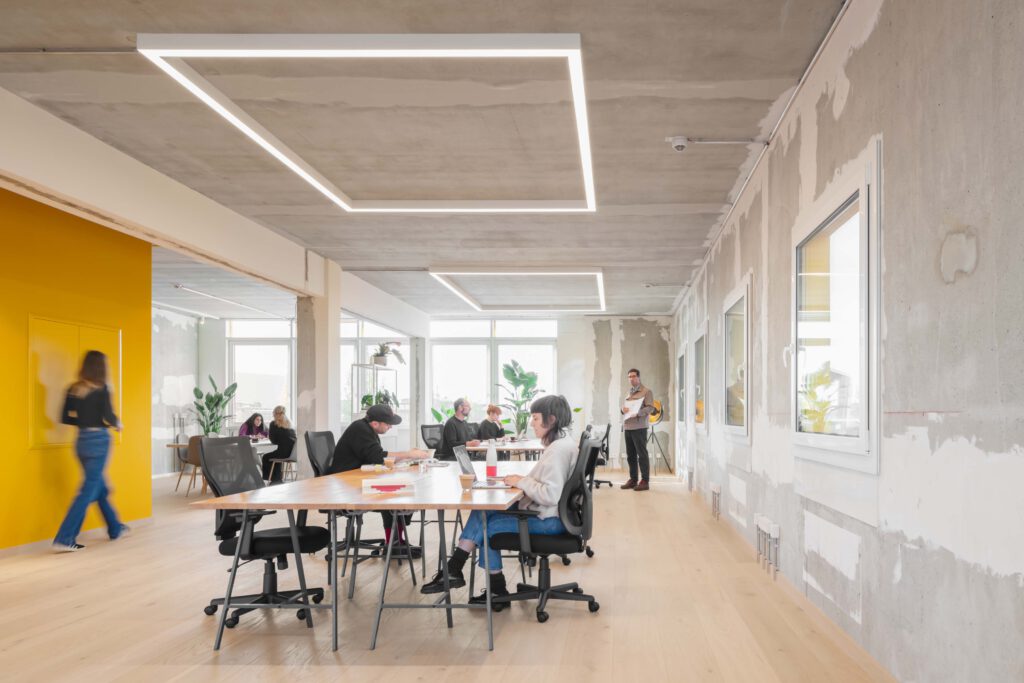
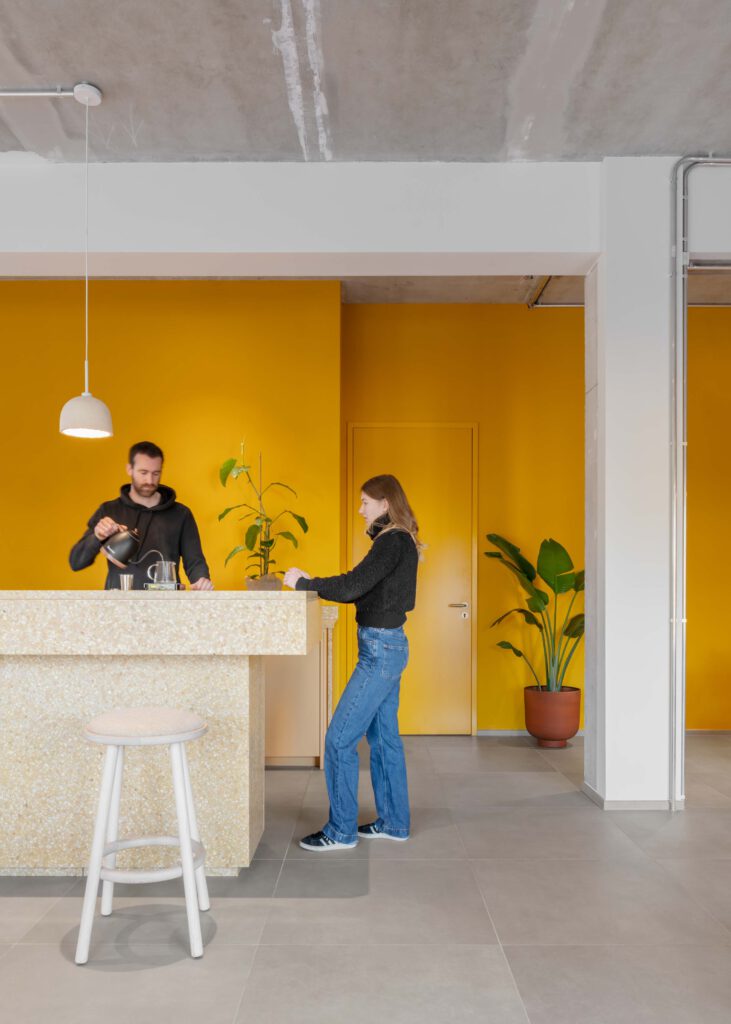
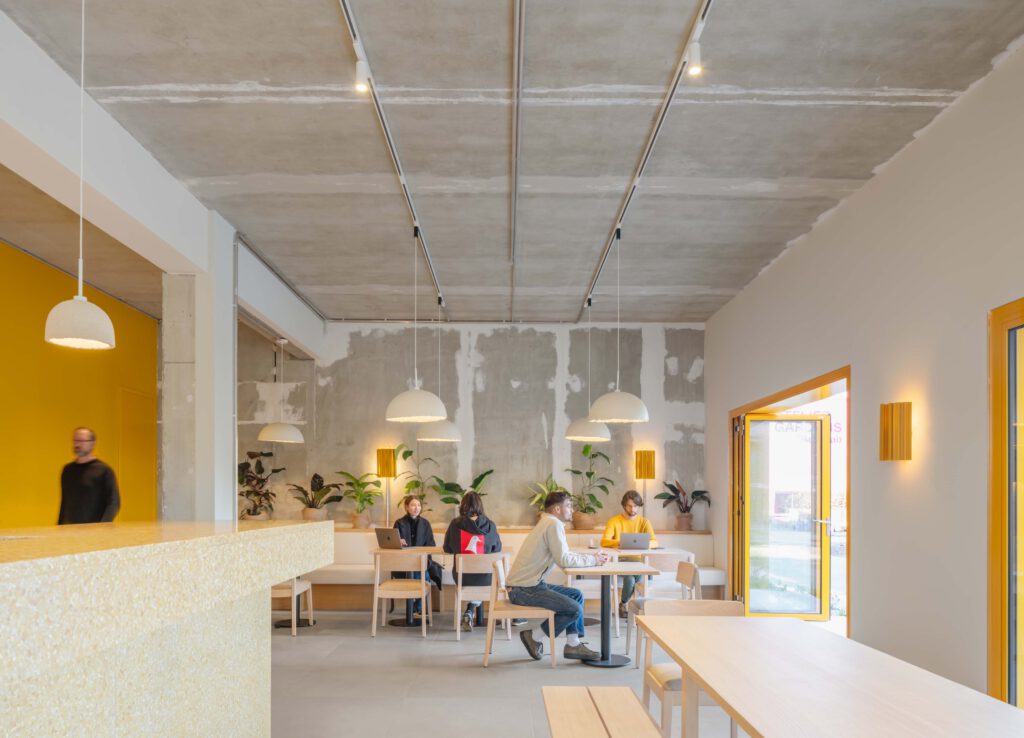
Inside, House 1 creates an atmosphere characterized by openness and flexibility. Co-working spaces, retreat areas, and a café lounge as a social meeting point enable vibrant use. The rental model deliberately focuses on redistribution: while established companies pay market-standard prices, smaller initiatives benefit from subsidized conditions. This mix creates a working environment that structurally integrates encounters and synergies.
The design promotes functionality and also contributes to the building’s resilience: spaces can be altered, uses adapted – without having to rethink the structural framework.
Sustainability as an Architectural Mandate
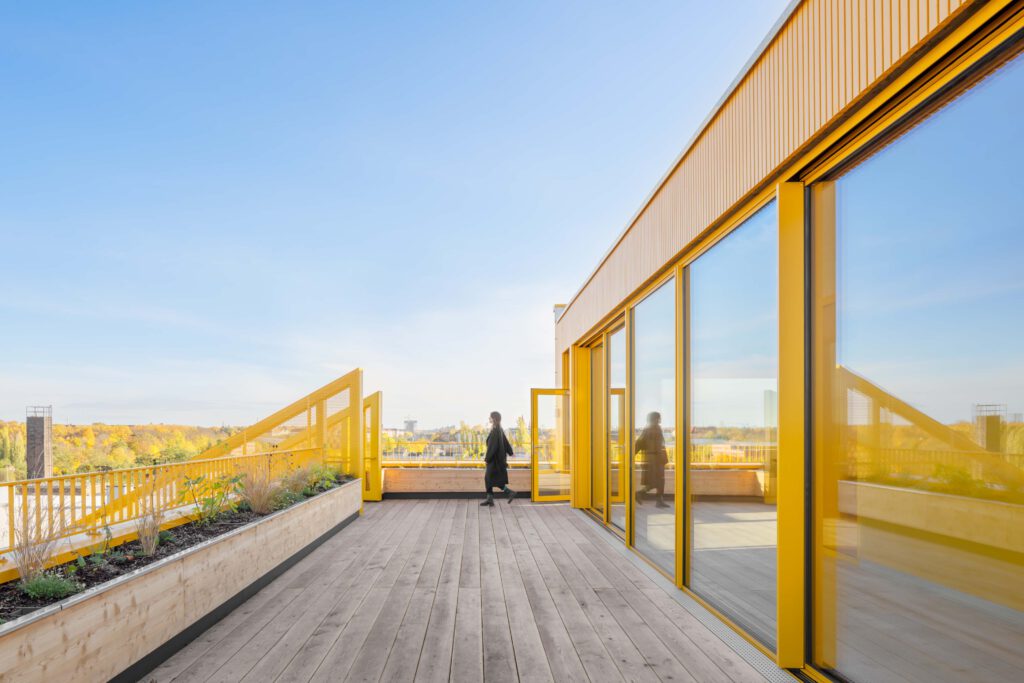
The structural transformation follows a clear principle: conserve resources, utilize existing structures, close cycles. The new roofscape with a modular wooden pavilion was greened and integrated into the site’s water management system. Rainwater is collected, and heat is buffered. Energy-efficient lighting and passive cooling complement the concept. Even the sanitary facilities were designed for water recycling.
The idea of reuse is also reflected in the choice of materials. Instead of radical new construction, a hybrid model emerged that activates the potential of the existing building – both ecologically and economically.
Atelier Gardens as an Urban Development Model
House 1 is part of a master plan that progressively rethinks the entire campus. The focus is on mixed-use, connecting education, work, culture, and environmental issues. Architecture is not seen as a backdrop but as a tool for change. In the heart of Tempelhof, it becomes clear: sustainable urban development often begins on a small scale – with the decision to preserve an existing building.

You might also be interested in
SCHULBAU Fair
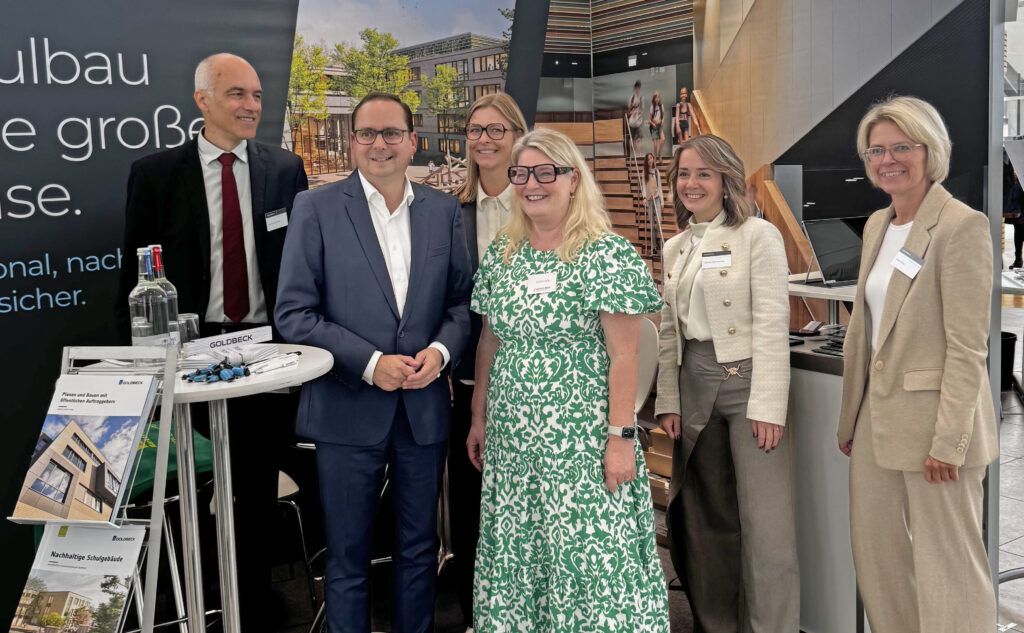
SCHULBAU Essen 2025 – Successful industry meeting for educational construction
Impulses, Lifestyle
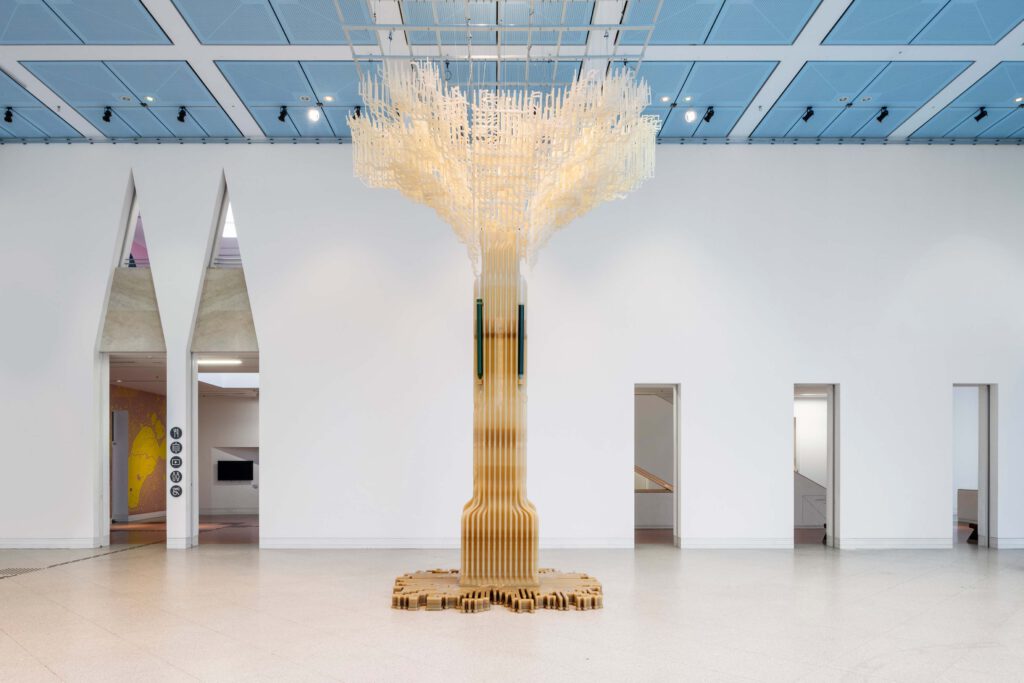
WEtransFORM in Bonn: Exhibition outlines visions for sustainable construction