Architecture Tour Copenhagen 2025: Experience, Reflect, and Discuss Educational Spaces
Experience architecture, rethink education: The SCHULBAU Architecture Tour to Copenhagen offered impressive insights into pioneering school buildings and inspiring pedagogical concepts – full of exchange, ideas, and new perspectives
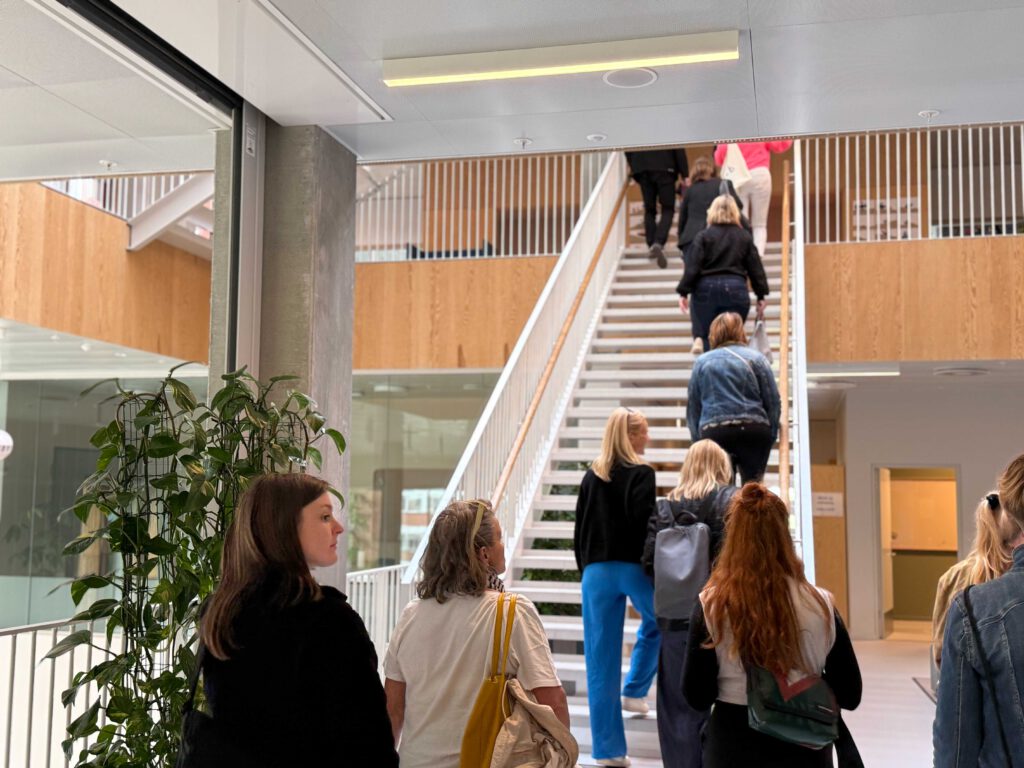
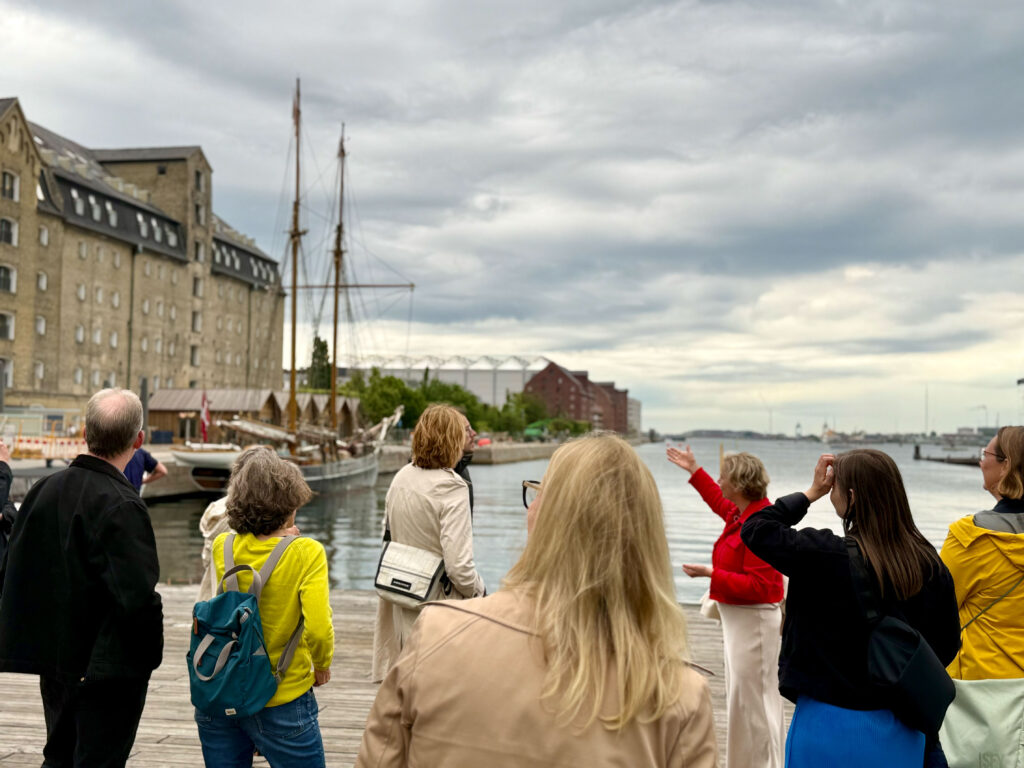
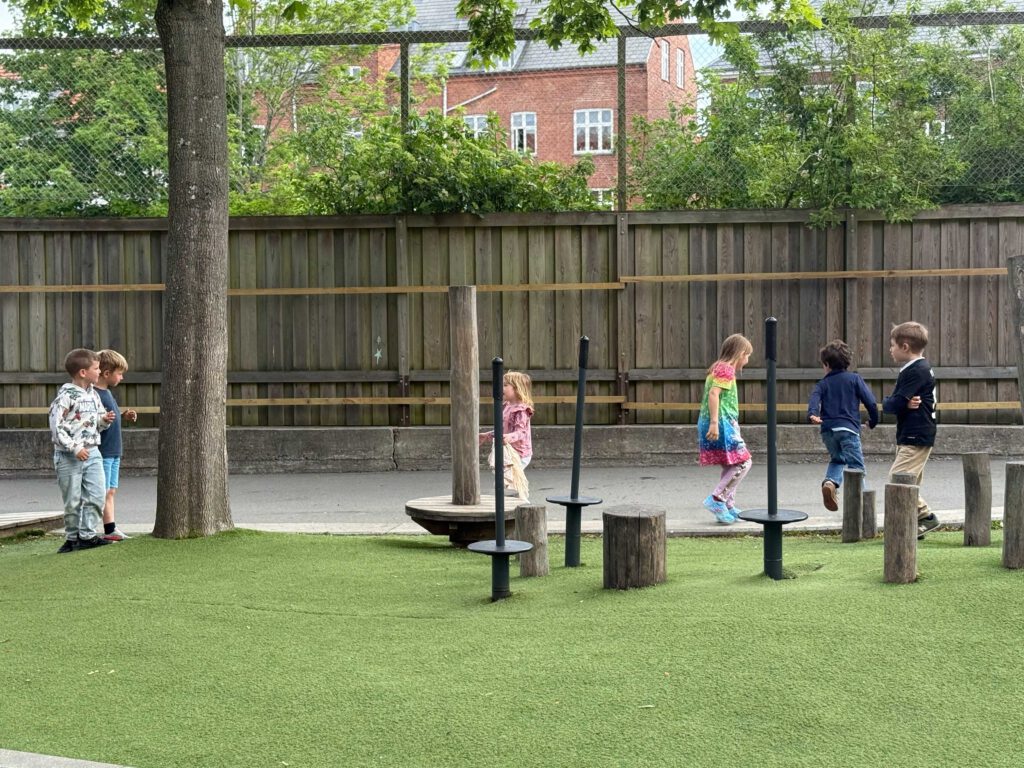
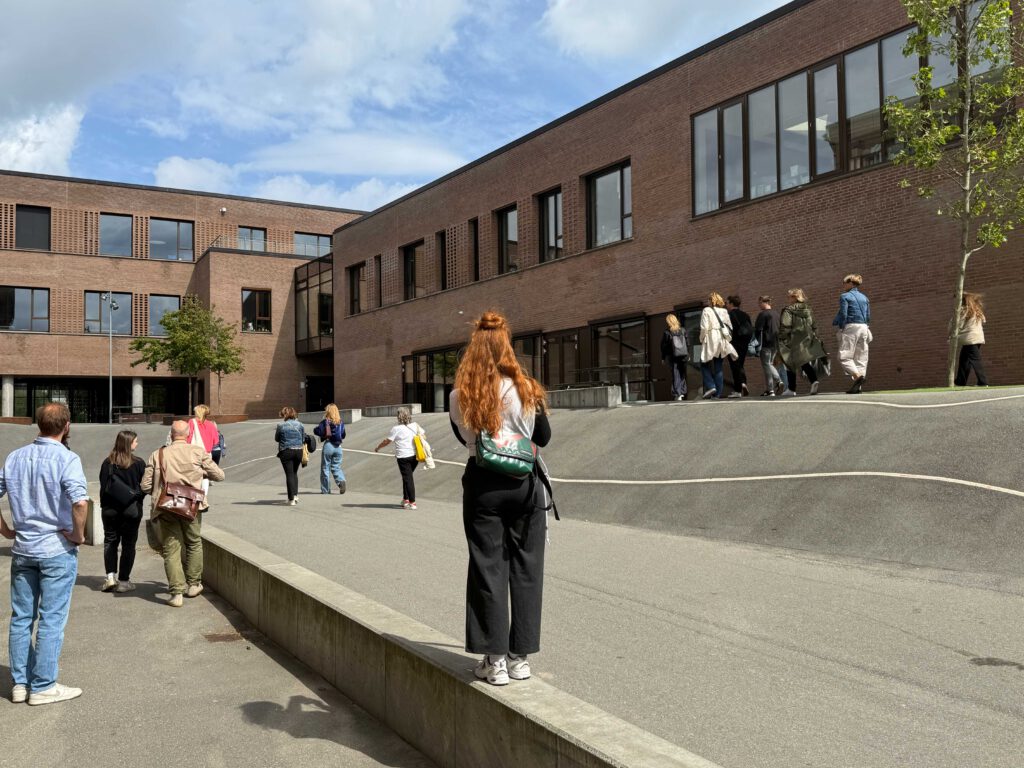

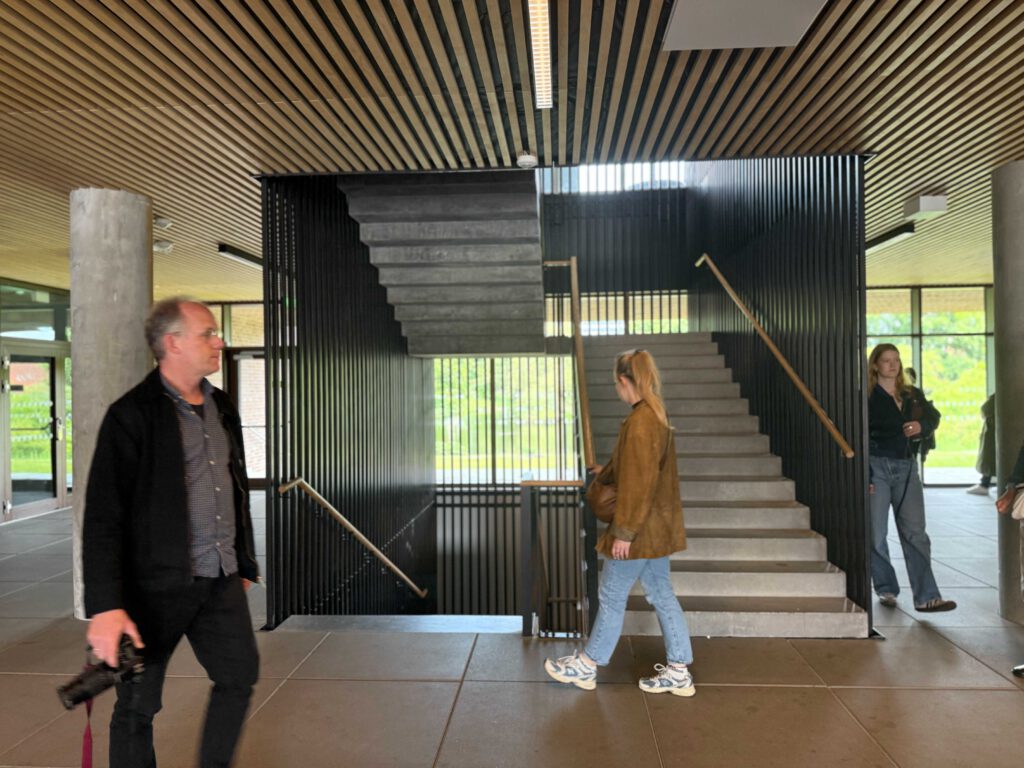
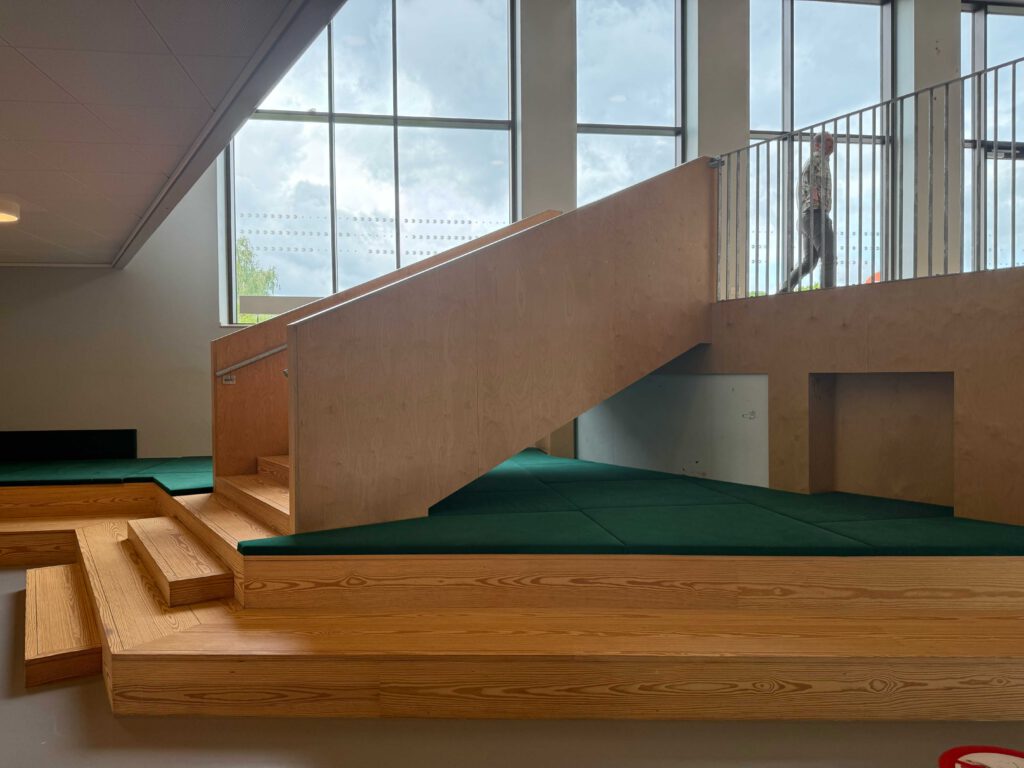
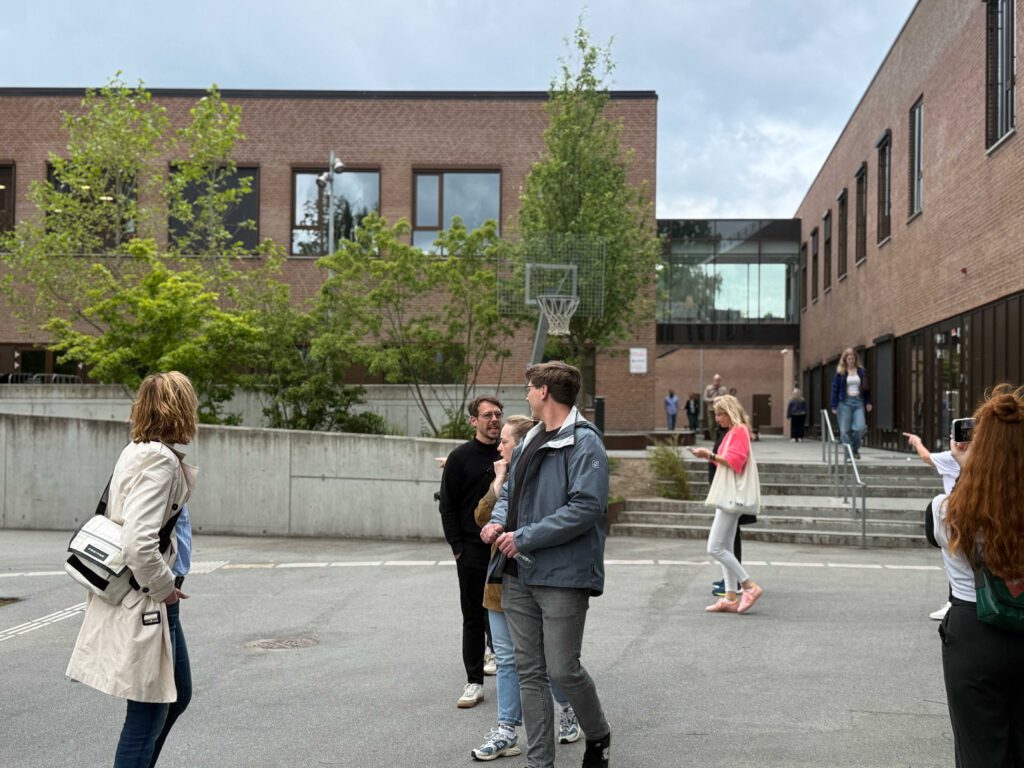
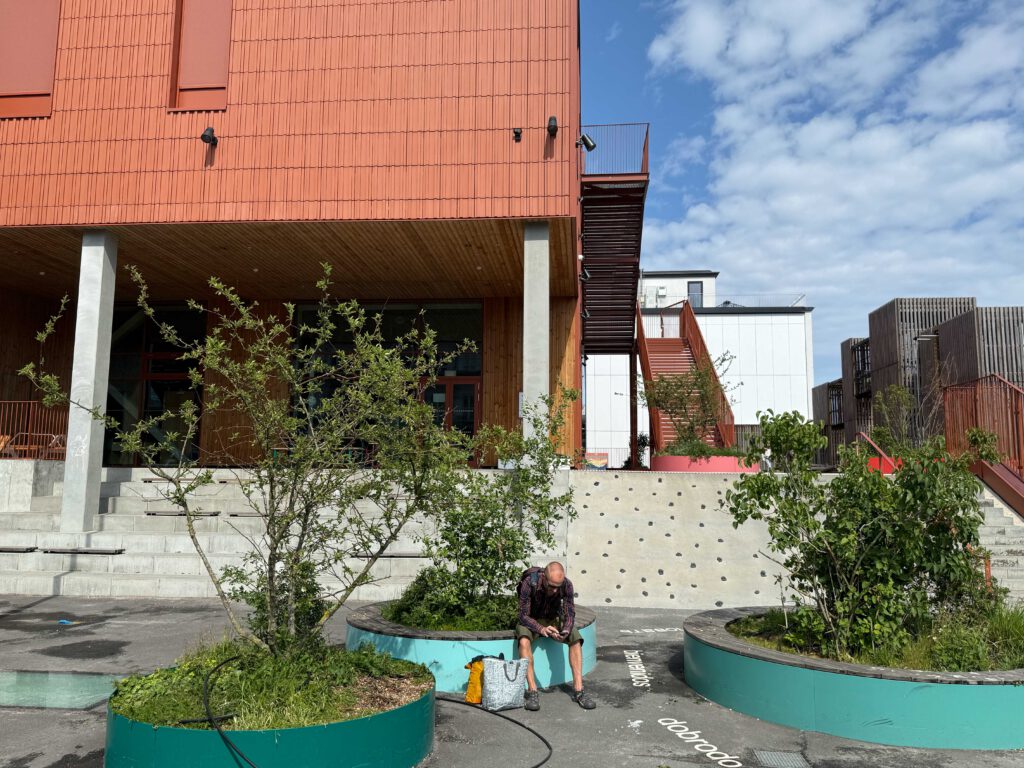
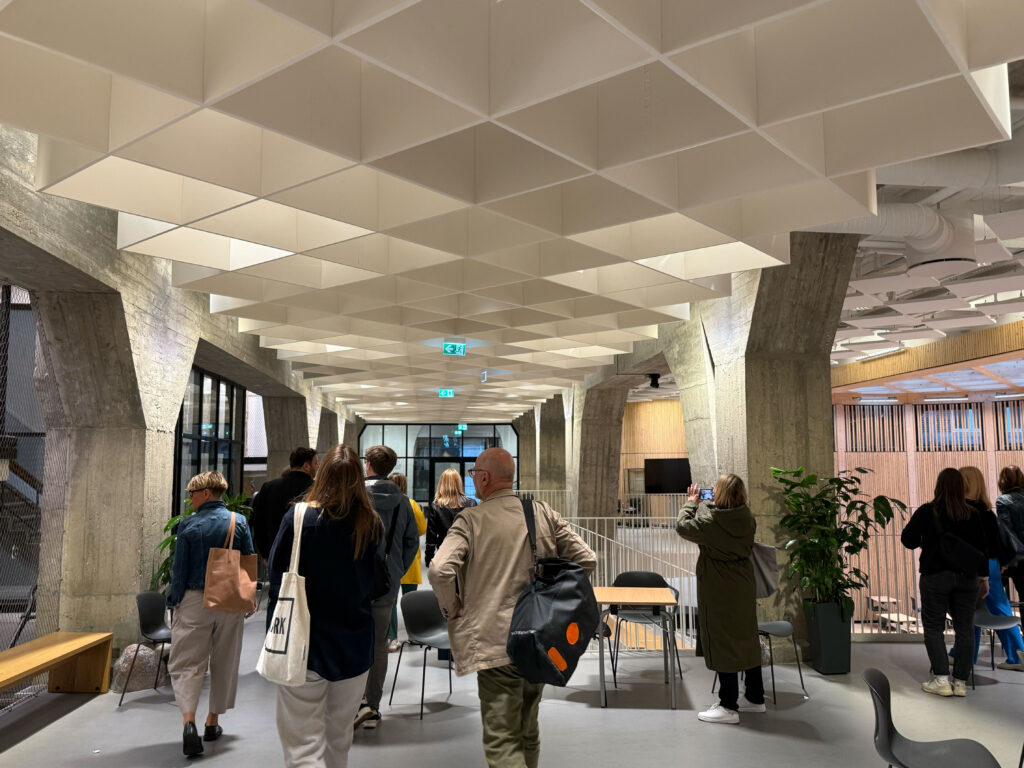
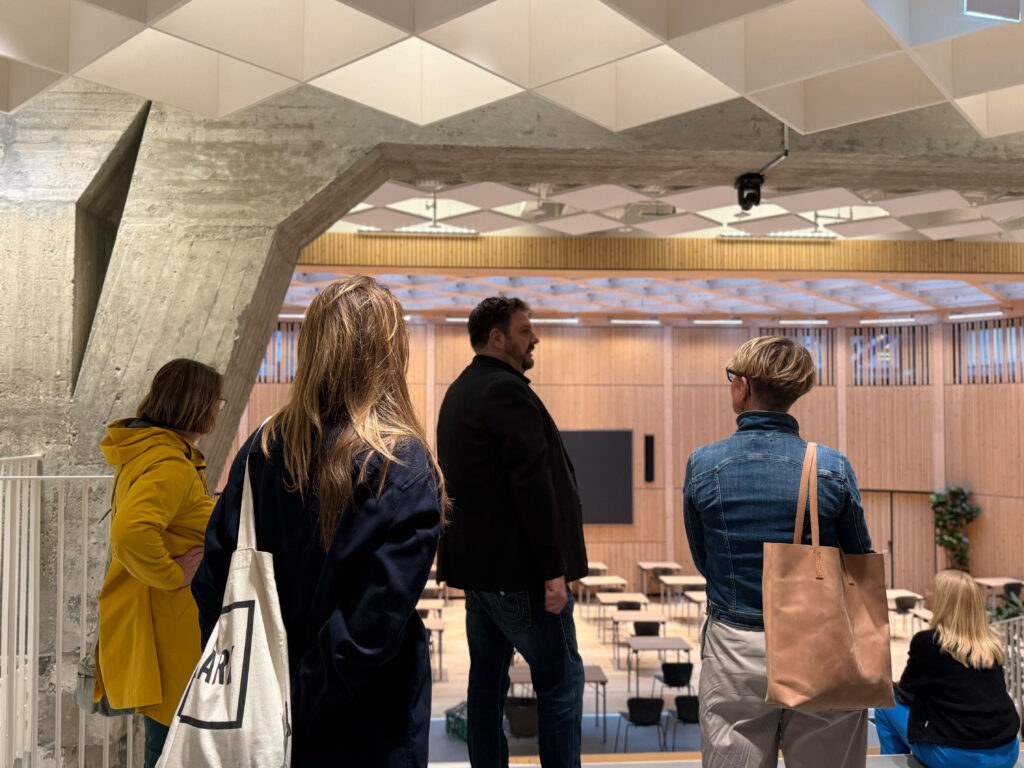
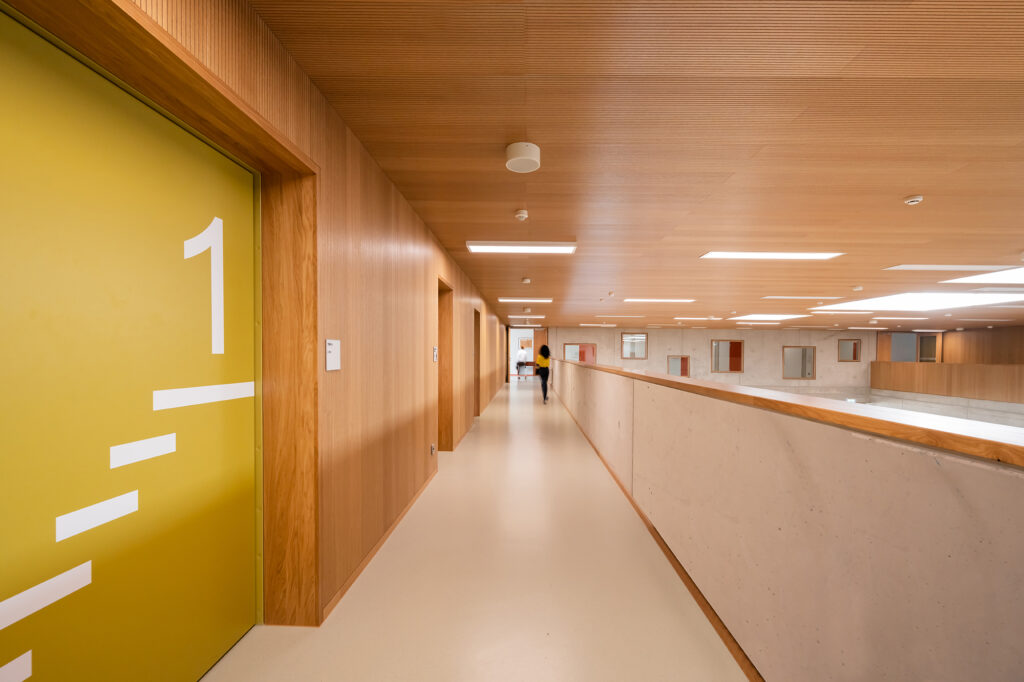
Denmark does not talk about school architecture, Denmark builds – and with conviction. Anyone who drives through the suburbs of Copenhagen, who looks around the schoolyards between North Zealand and Nordøstamager, quickly senses: Here, learning is not a closed process, it is a public endeavor. Architecture participates, leads forward, opens doors – both literally and figuratively.
This very approach was experienced by a group of architects, planners, educators, and decision-makers in early June on the SCHULBAU Architecture Tour to Copenhagen. The two-day excursion was a genuine dialogue – with the city, with its buildings, with its thinkers.
Arrive, Discover, Immerse
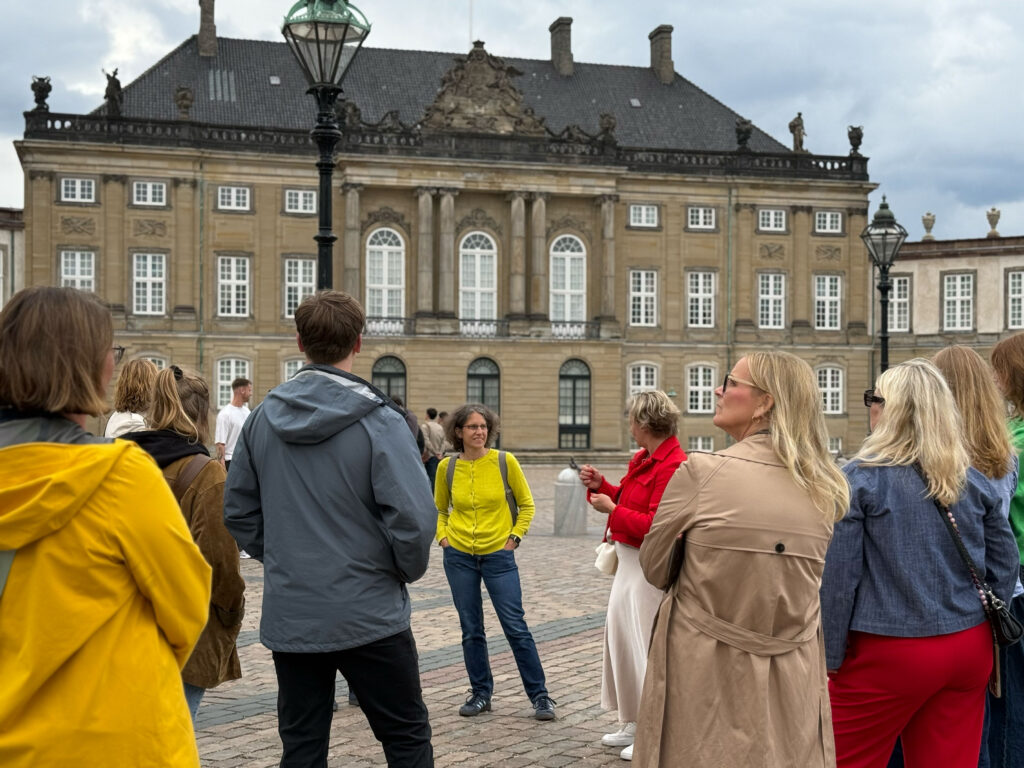
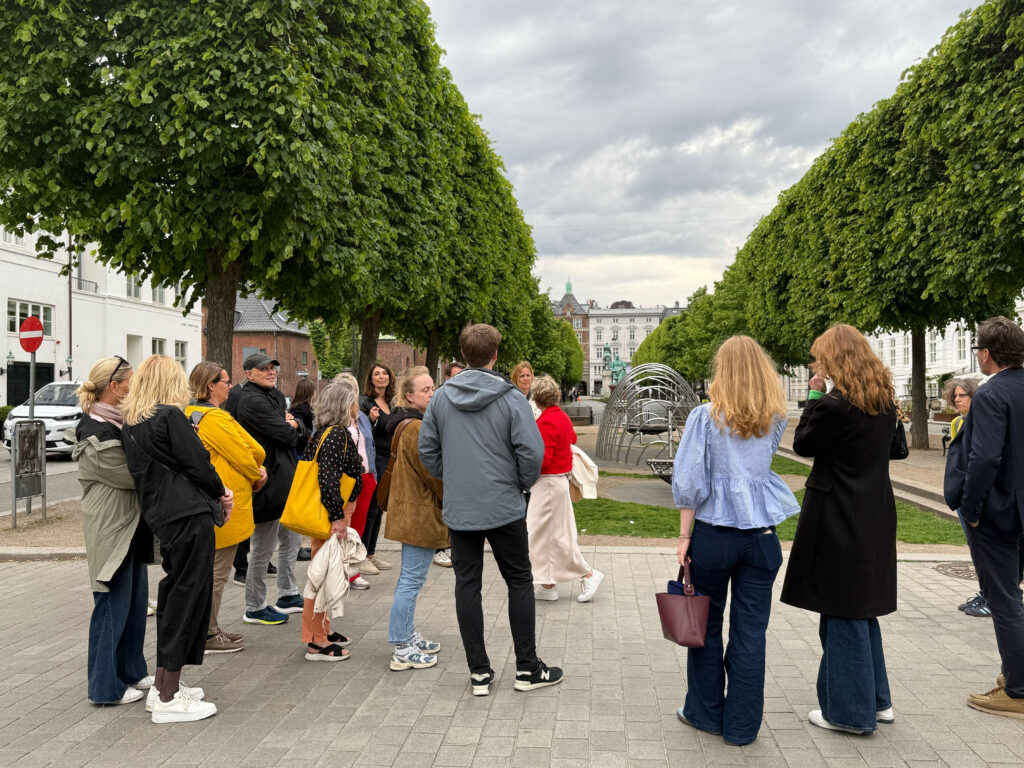
It began on Sunday evening with a city walk: not a mandatory tourist program, not conventional sightseeing. Rather, a collective arrival – with an eye for proportions, for materiality, for atmosphere. Copenhagen presented itself not only as a cycling city, but as a spatial laboratory: mixed, accessible, alert. At the subsequent dinner, it quickly became clear: this group has ambitious plans.

From Helsingør to Nordøstamager: Learning as a Public Mission
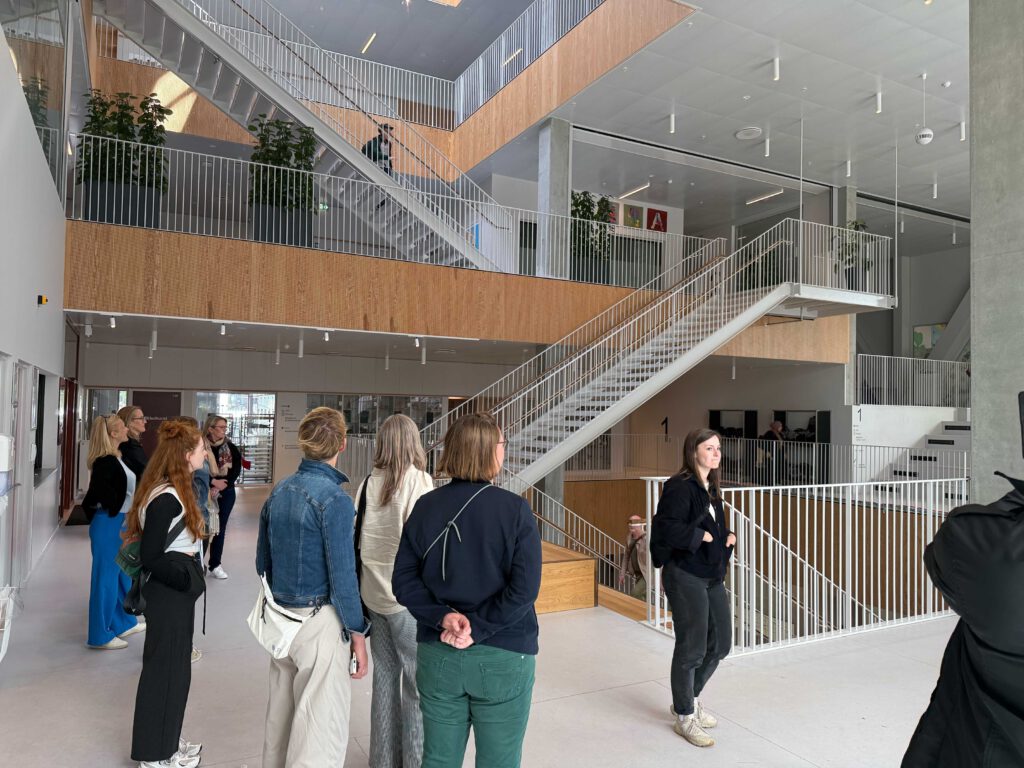
Monday began early. Along the legendary coastal road Strandvejen, the journey led toward North Zealand – with expansive views of the water and the open landscape. In Helsingør, a city between history and the present, Helsingør Skole opened its doors. Lene Jensby Lange from autens CPH guided the group through the building – but the focus was on more: on a pedagogical understanding that conceives school as a shared living space.
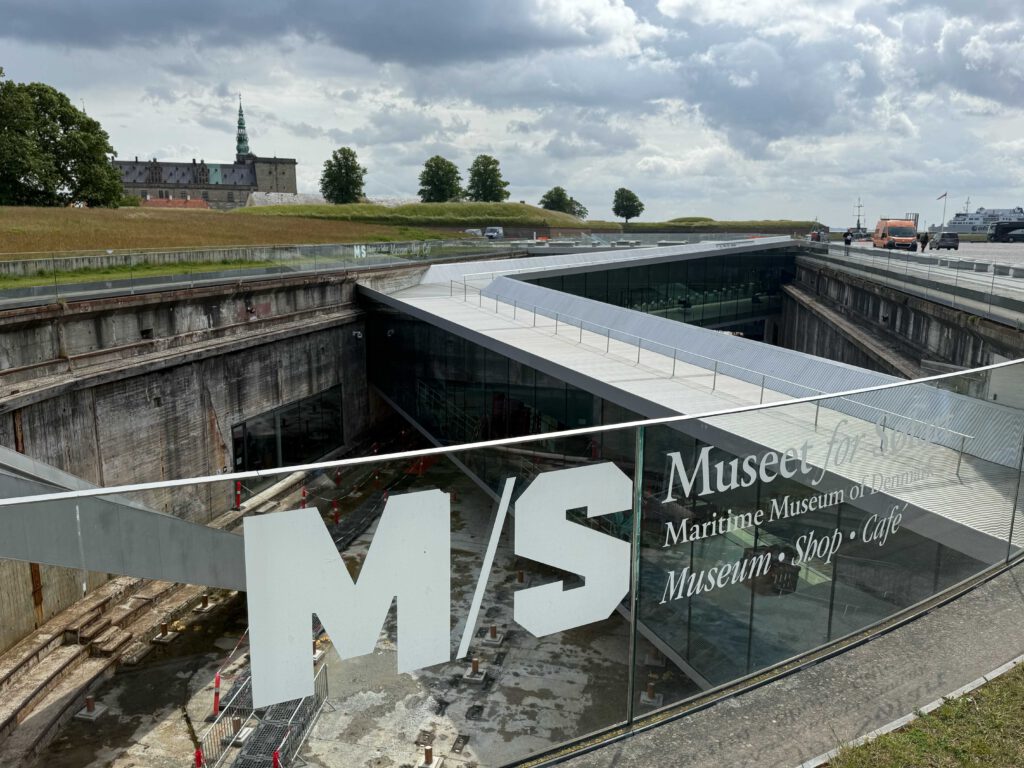
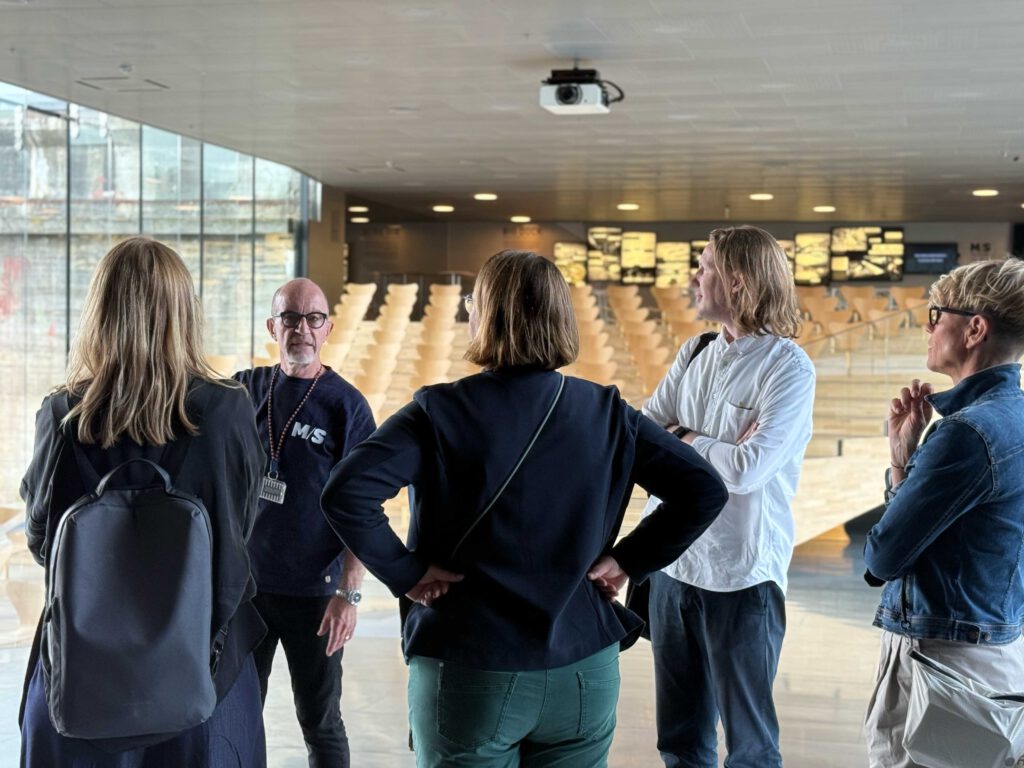
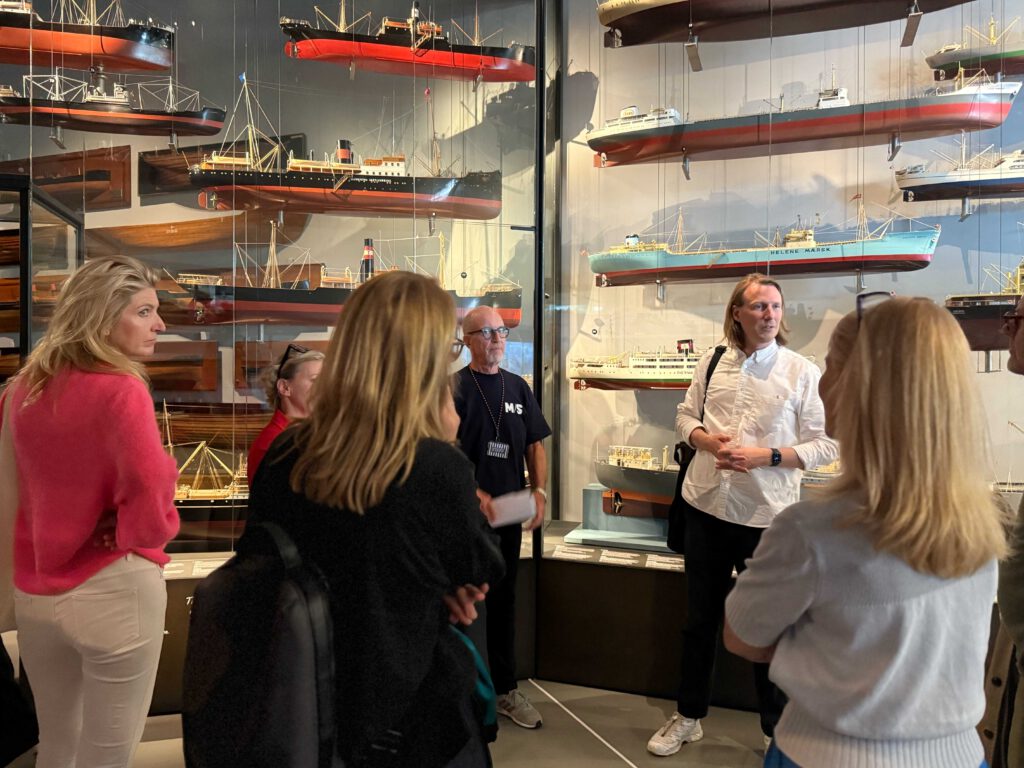
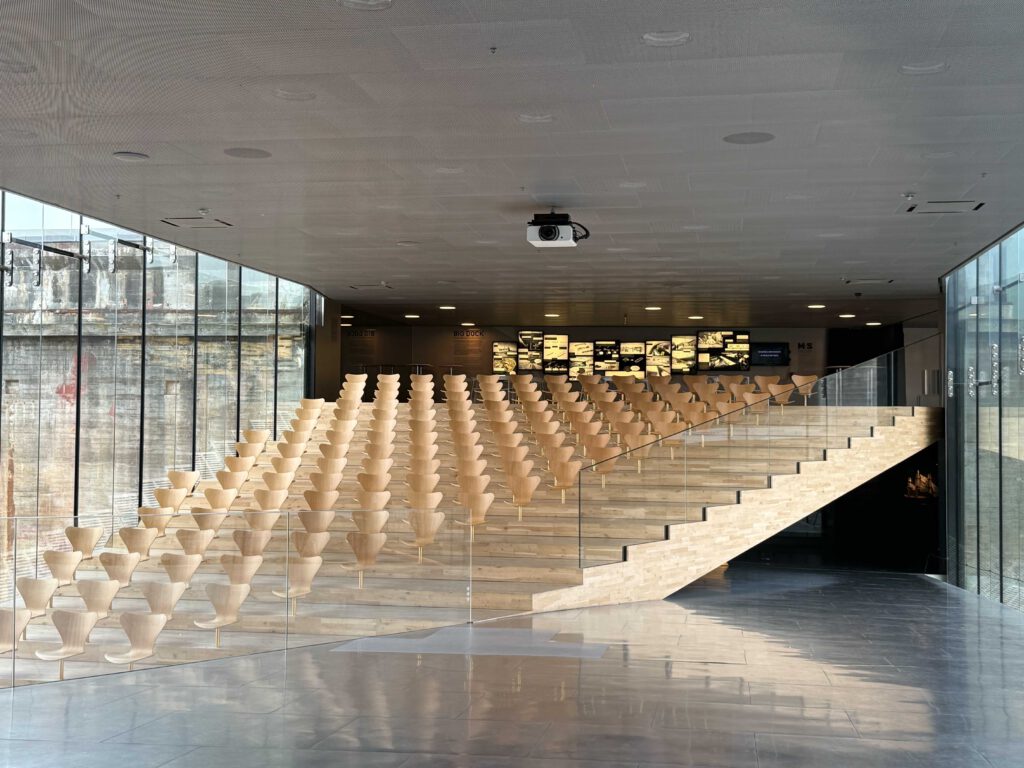
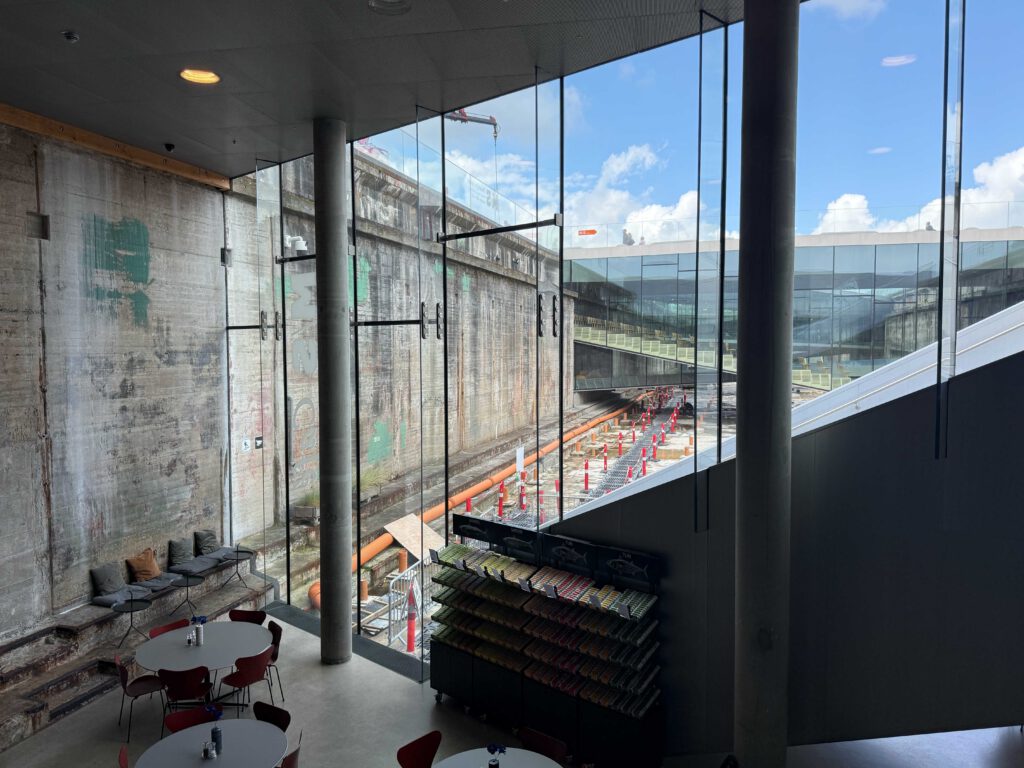
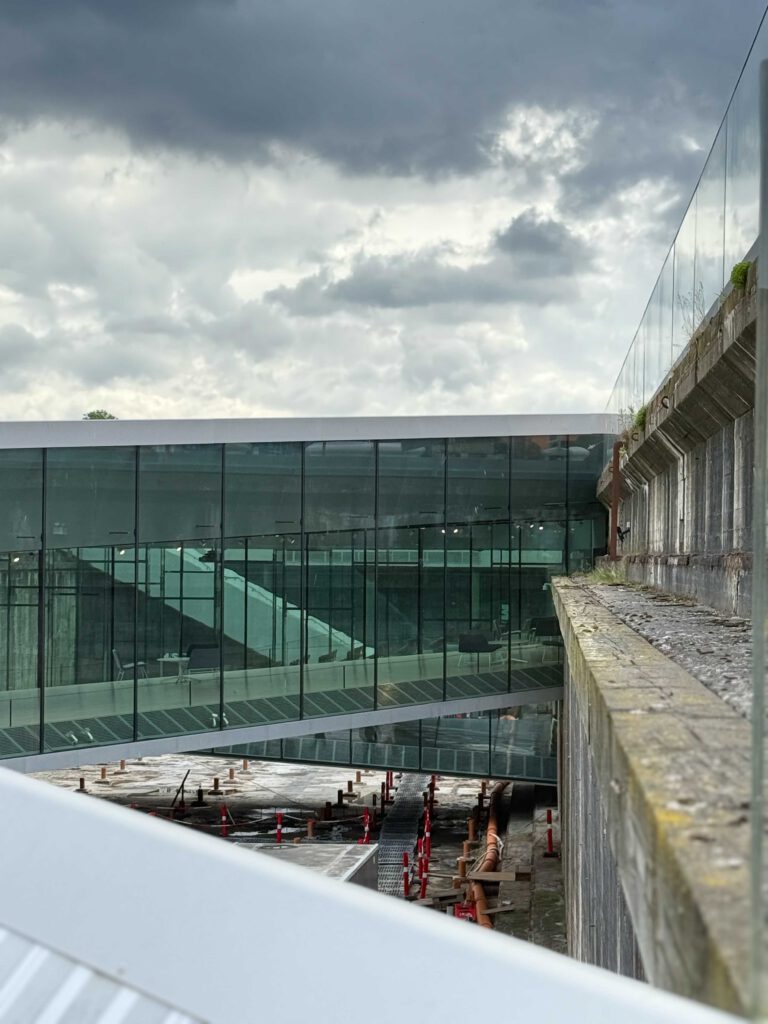
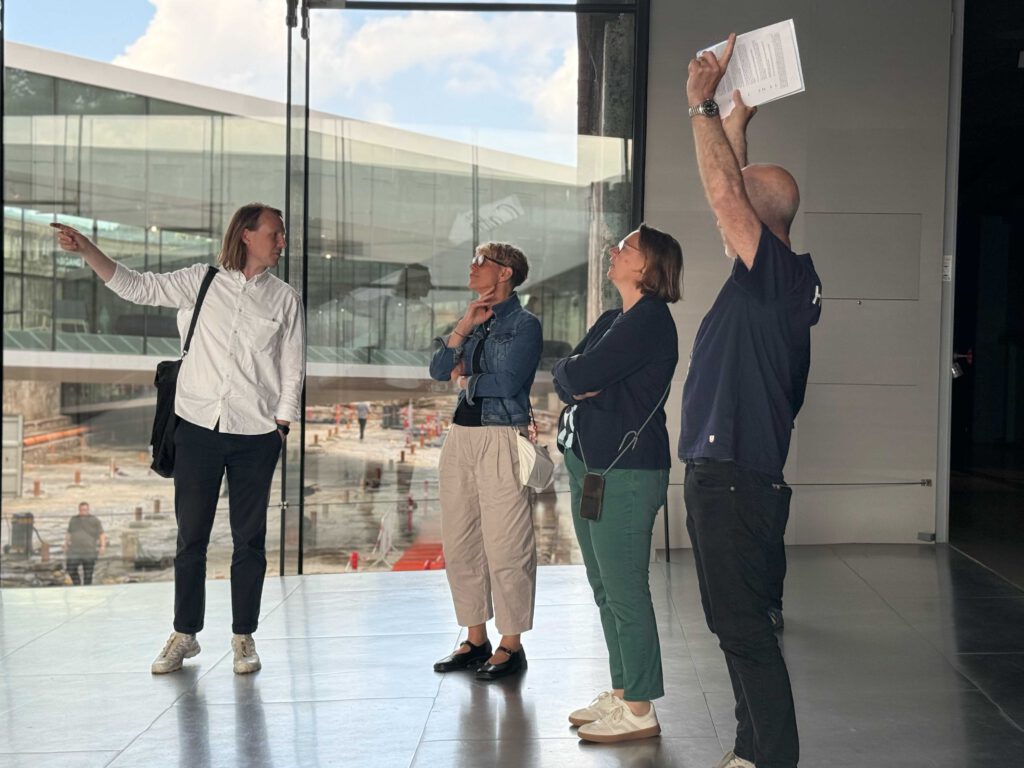
Directly opposite: the M/S Maritime Museum of Denmark. Here, the group descended into an entirely different world – spatially and conceptually. Frederik Lyng from BIG (Bjarke Ingels Group) explained the museum building, which wraps around a former dry dock like an archaeological artifact. The fact that this tour was conducted exclusively for the group underscored the exceptional quality of the trip.
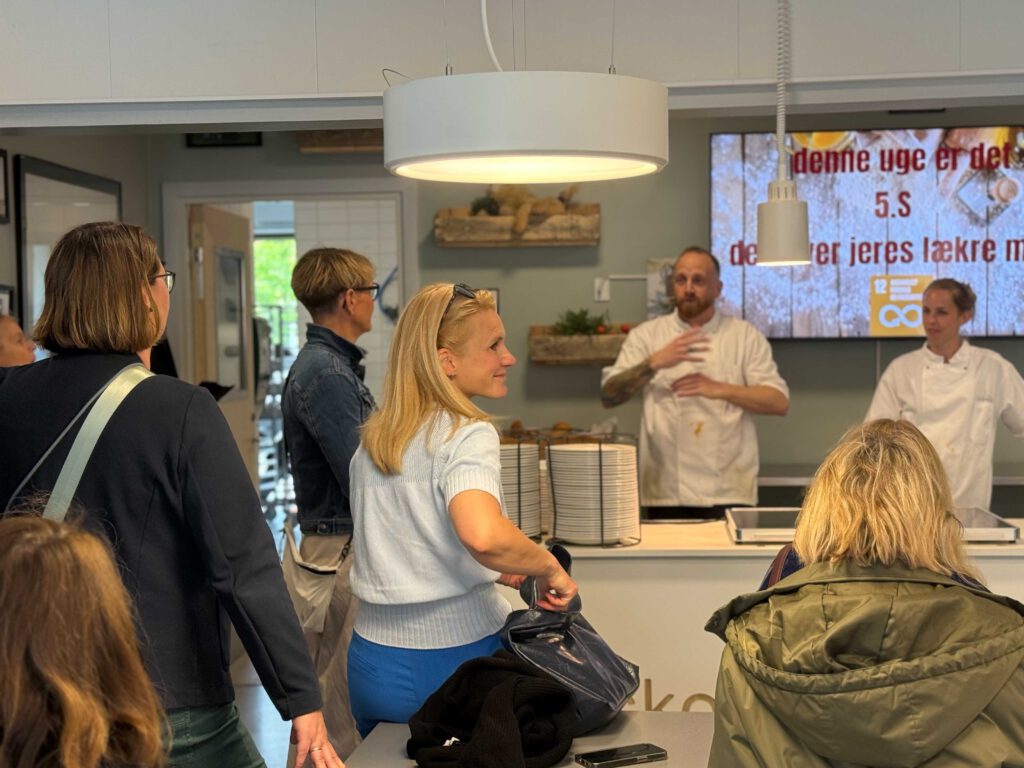
After the classic smørrebrød lunch, the journey returned to Copenhagen. Two additional educational buildings were on the agenda – demonstrating how diversely Danish school architecture is conceived today.
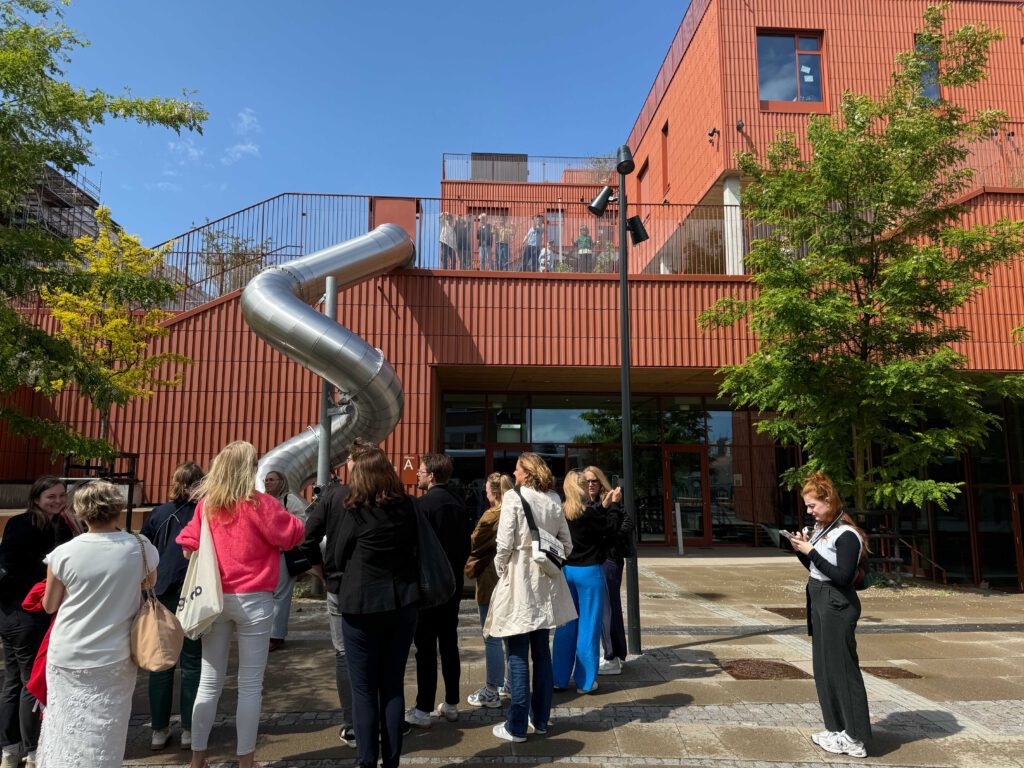
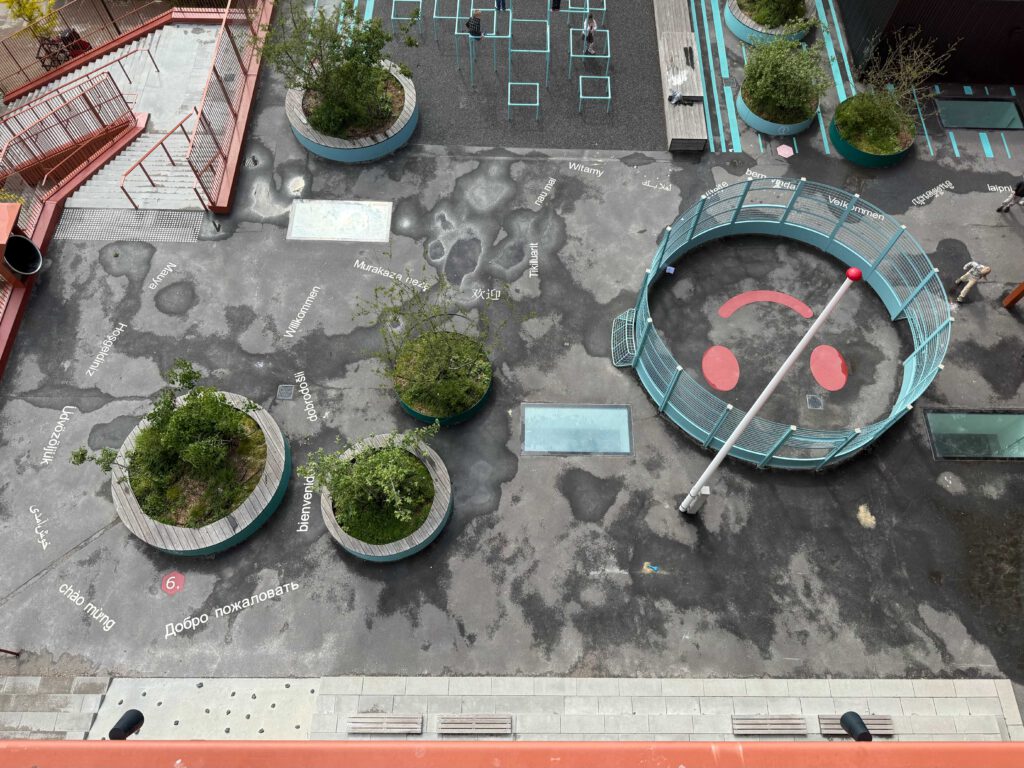
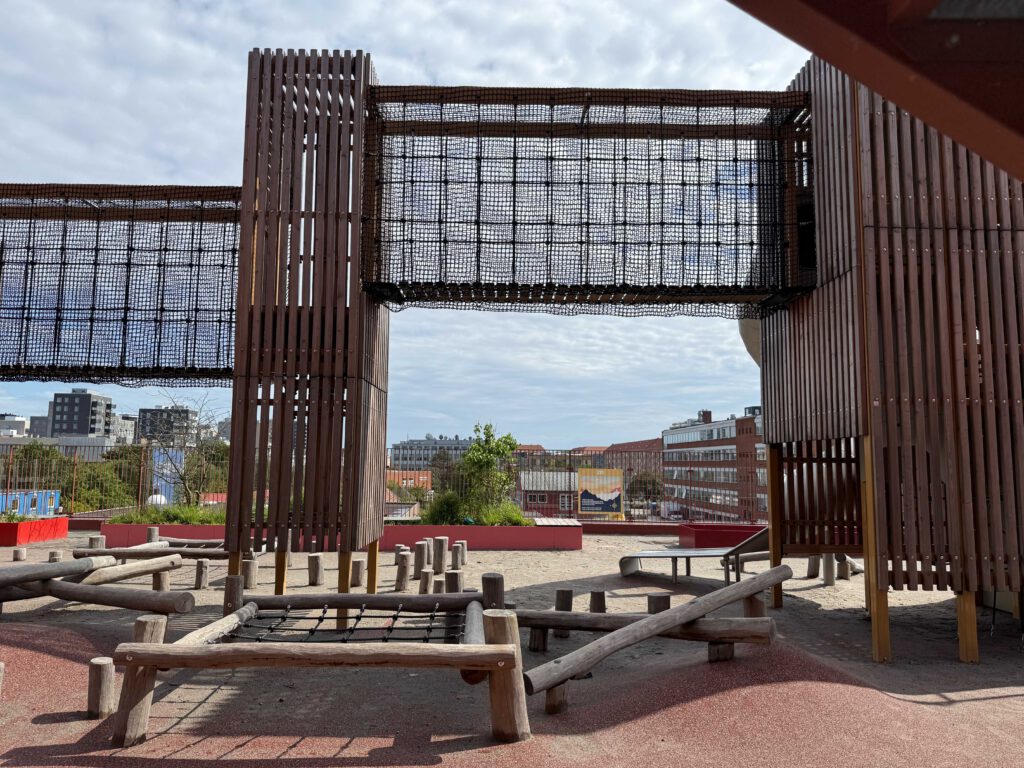
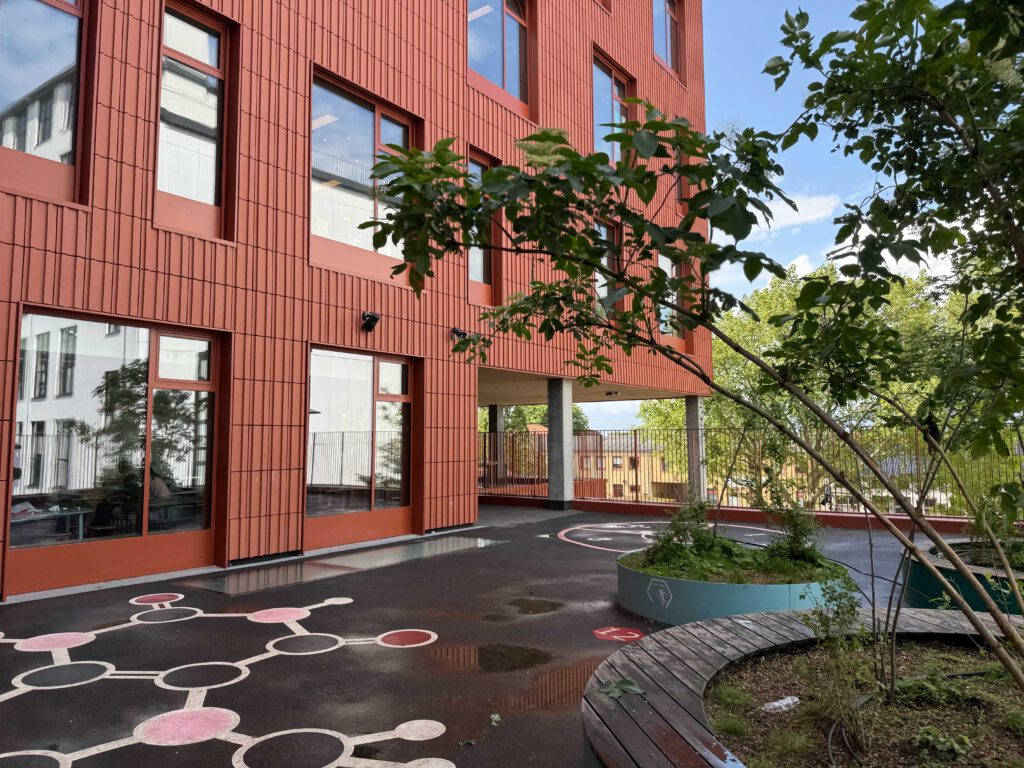
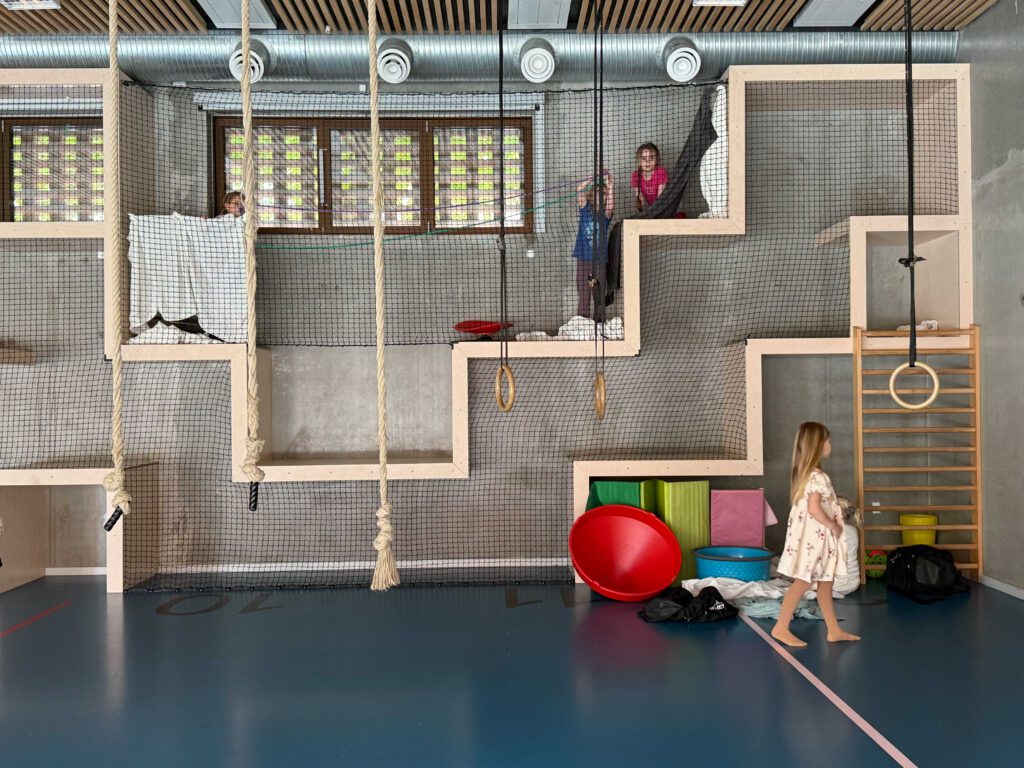
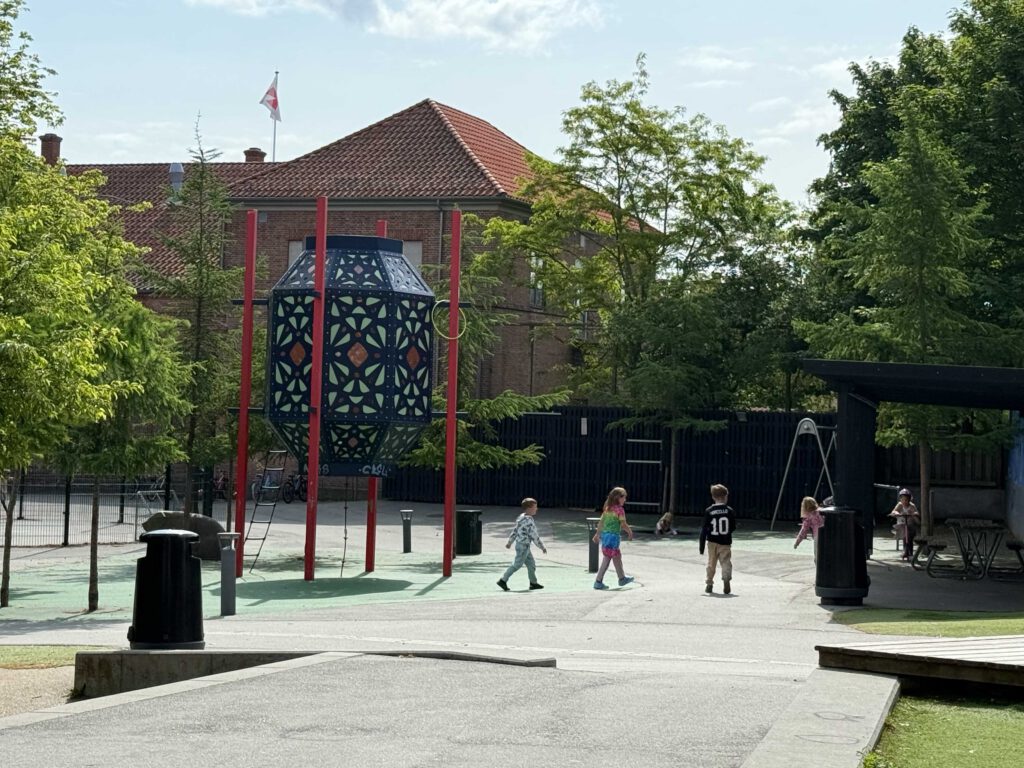
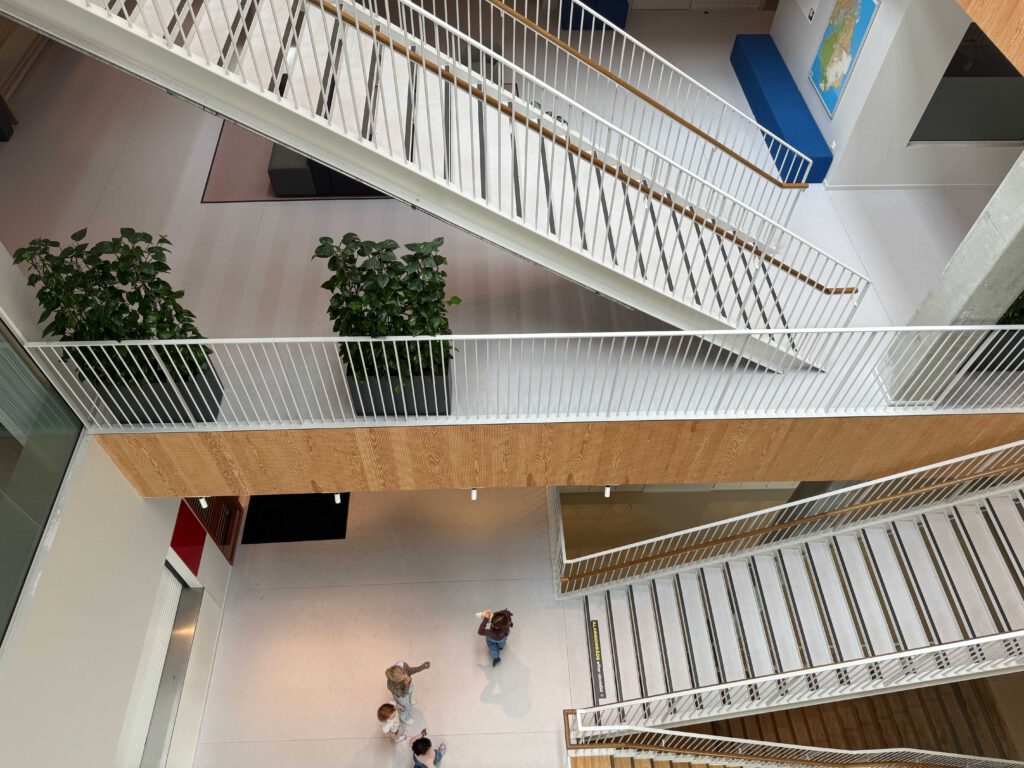
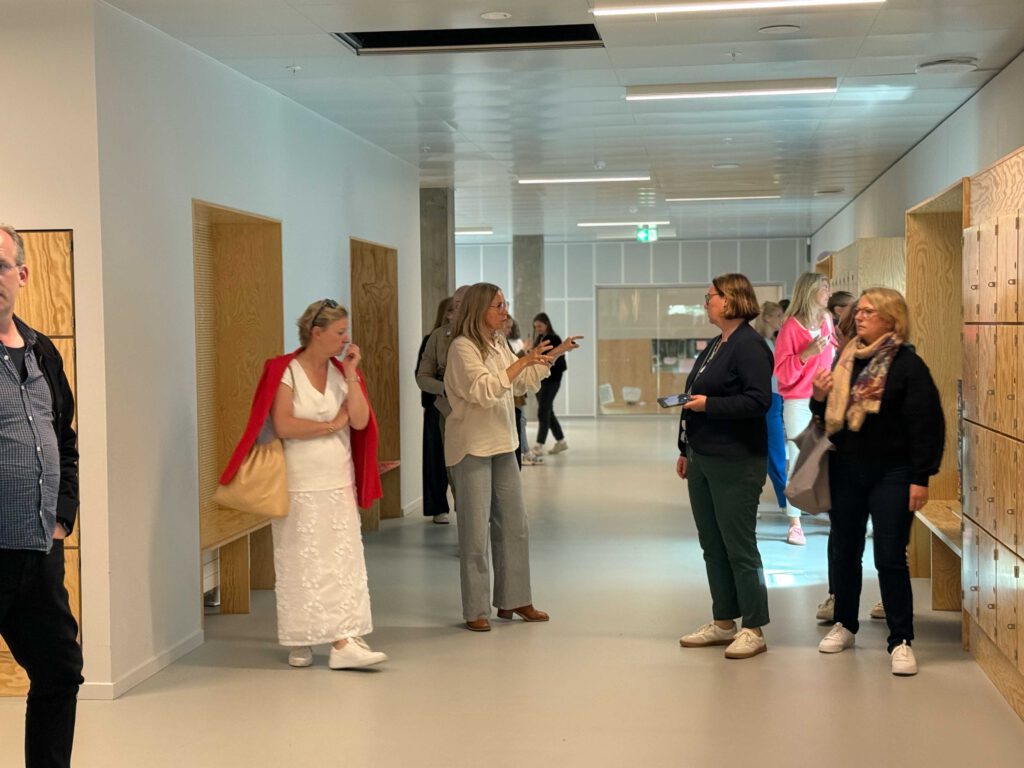
The Nordøstamager Skole – presented by Liv Bach Henriksen from Kjær & Richter – illustrated how powerfully space and pedagogy can interact. The building responds to its surroundings, connects to the neighborhood, offers permeability and security simultaneously. Here, no fixed paths are created – here, the school day is co-designed.
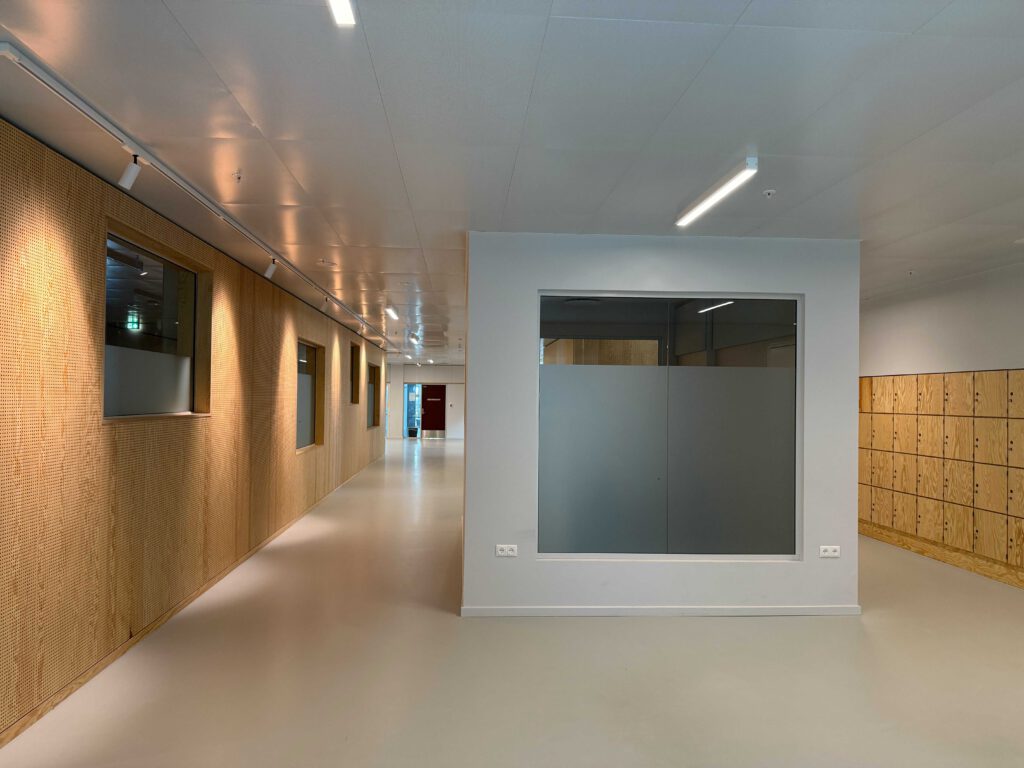
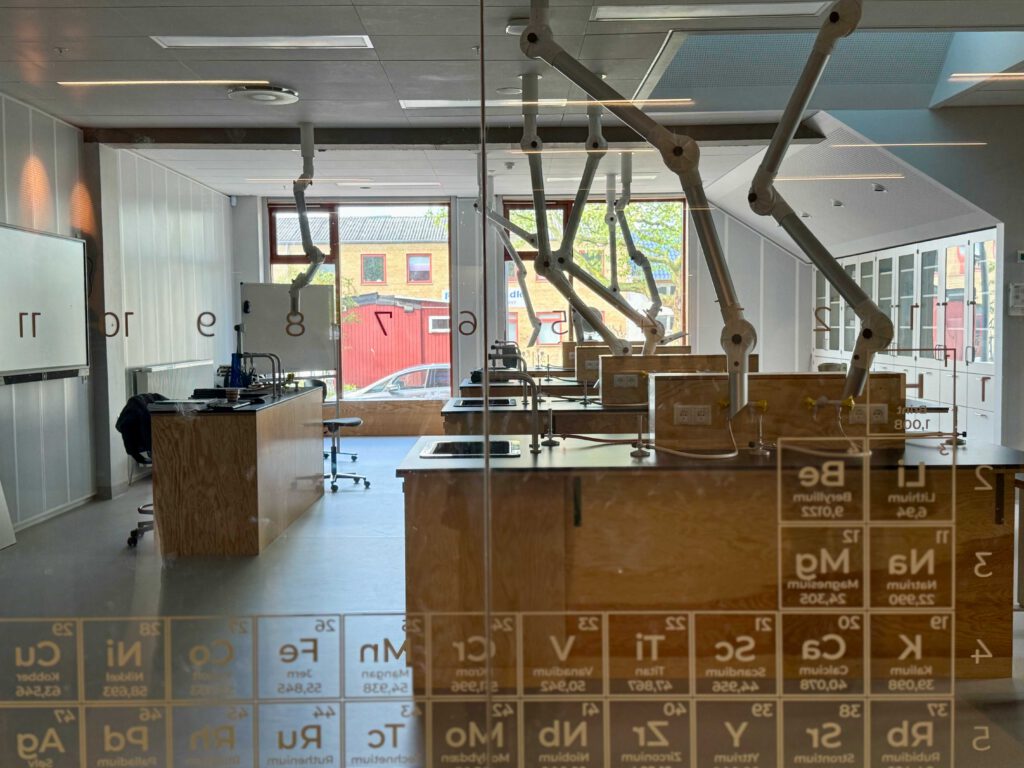
Later in the afternoon, KVUC (Københavns Voksenuddannelsescenter) opened its doors. Michael Laungaard from Laark-Laundgaard Arkitekter guided the group through the building, which reimagines adult education. Flexible spatial structures, clear materials, and a sensitive connection between old and new made it evident that learning is not an age-bound phenomenon – but an urban design approach.
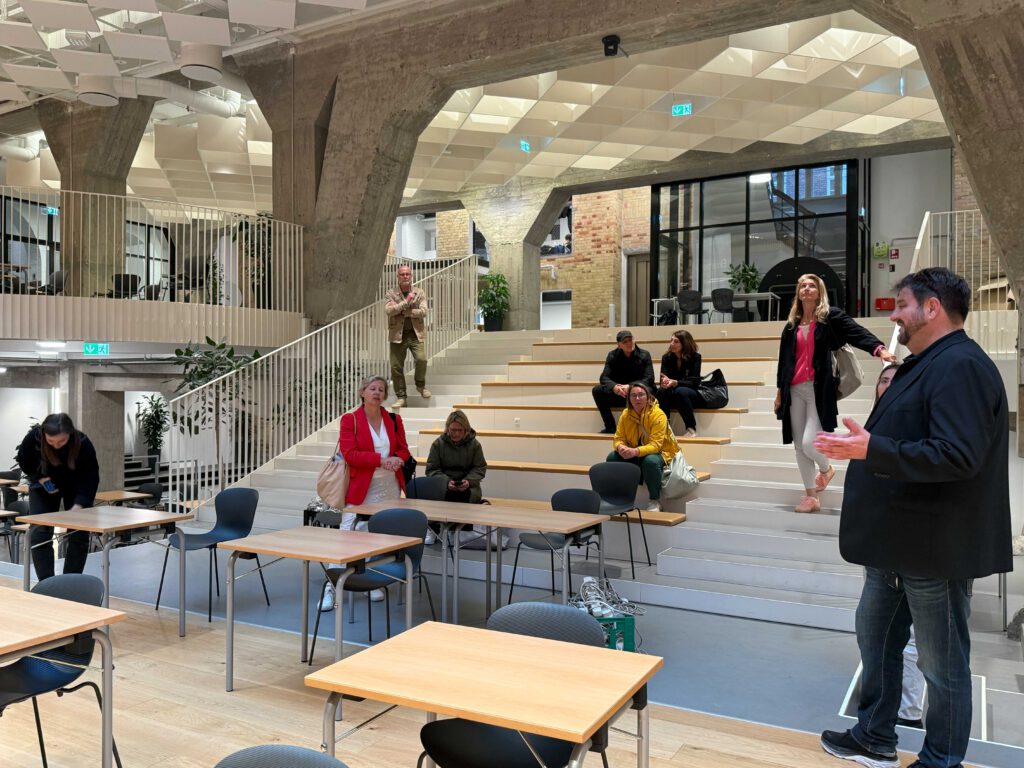
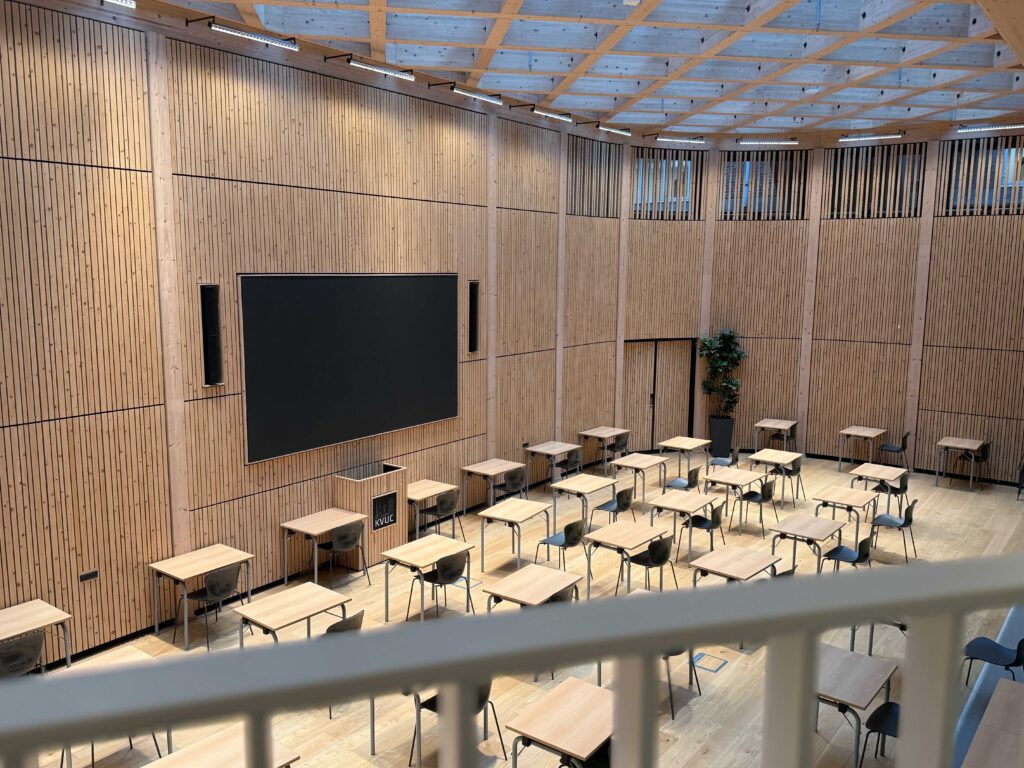
More Than an Excursion
At the end of the official program, a shared impression remained: this trip was not merely a look at Danish projects – it is a glimpse into possible futures.
What does it mean to take school architecture seriously? What does it mean to think of education as part of the city? And how does the role of planners change when pedagogy is understood less as an additional requirement and more as a starting point?
Copenhagen did not provide answers that can be transferred one-to-one. But the city opened up spaces for thought – with buildings that, rather than replicating finished concepts, reveal possibilities.

You might also be interested in
SCHULBAU Fair
SCHULBAU Essen 2025 – Successful industry meeting for educational construction