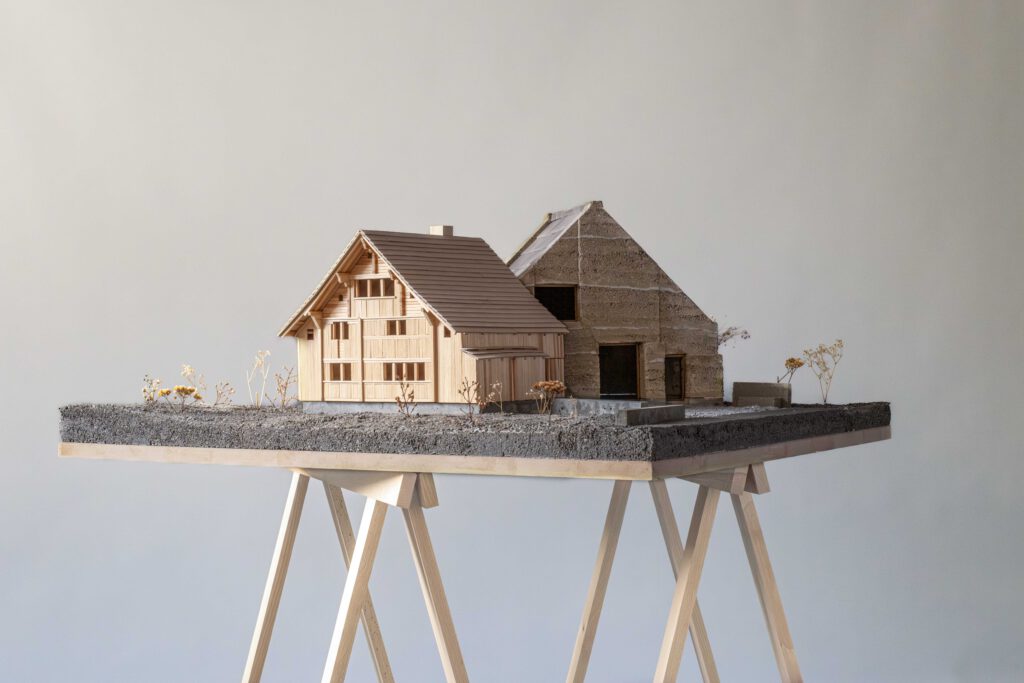
Architecture in the climate crisis: The German Architecture Museum DAM is dedicated to the energy issue
How is climate change changing construction? The exhibition “Architecture and Energy” at the Deutsches Architekturmuseum Frankfurt brings together concrete projects, materials research and social issues.
When the thermometer reaches new highs year after year, buildings also become the focus of climate policy debates. After all, they are responsible for around 40% of global emissions. The exhibition “Architecture and Energy. Building in Times of Climate Change” at the German Architecture Museum in Frankfurt am Main takes up this connection – and focuses on solutions. From 14 June to 5 October 2025, a broad panorama of architectural strategies will be presented there that aims to make the climatic responsibility of construction tangible.
Werner Sobek as a driving force
The exhibition is a cooperation between the German Architecture Museum and the Stuttgart civil engineer and architect Werner Sobek. For decades, his name has stood for emission-conscious construction, material-efficient constructions and thinking in system cycles. His scientific and practical contributions form the conceptual framework of the show. Together with Annette Becker and Peter Cachola Schmal, Sobek also edited the publication accompanying the exhibition.
From CO₂ emissions to a constructive response
The show does not focus solely on technical efficiency. Rather, it is about thinking in contexts: How do the choice of materials, energy consumption and resource use influence the climate balance over the entire life cycle of a building? The curatorial line combines architectural practice with scientific analyses – and poses the question of the social responsibility of planning and building in a new way. Particular emphasis is placed on the overlap of architectural, urban planning and energy perspectives.
Projects from Europe: Building culture under new auspices
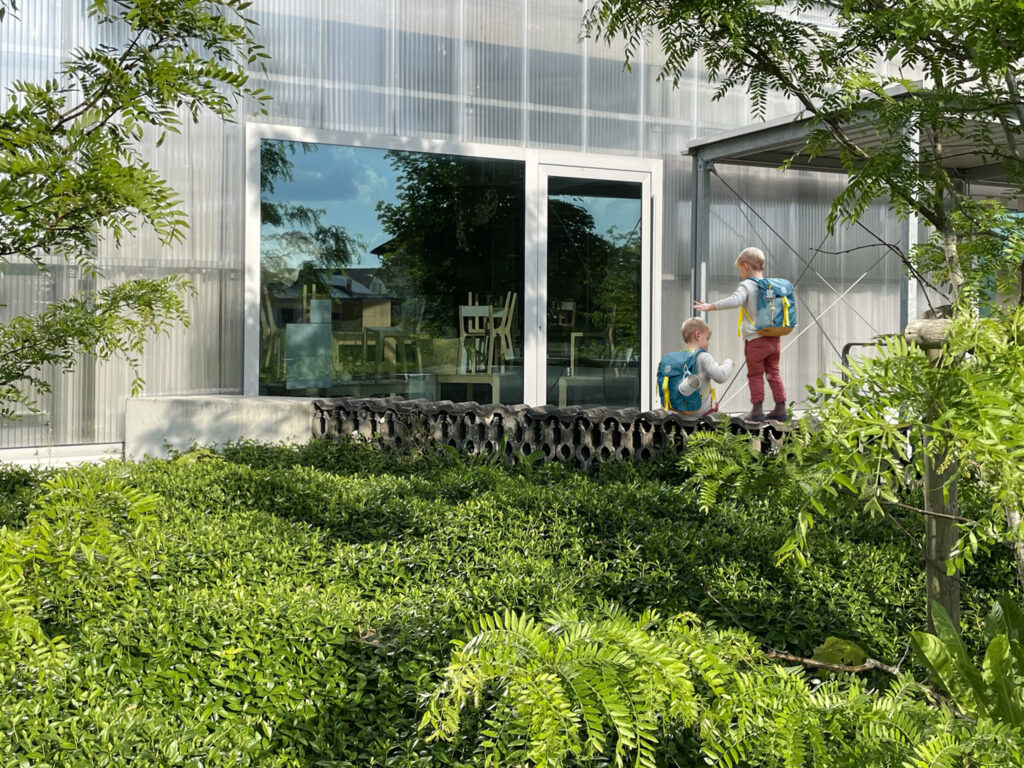
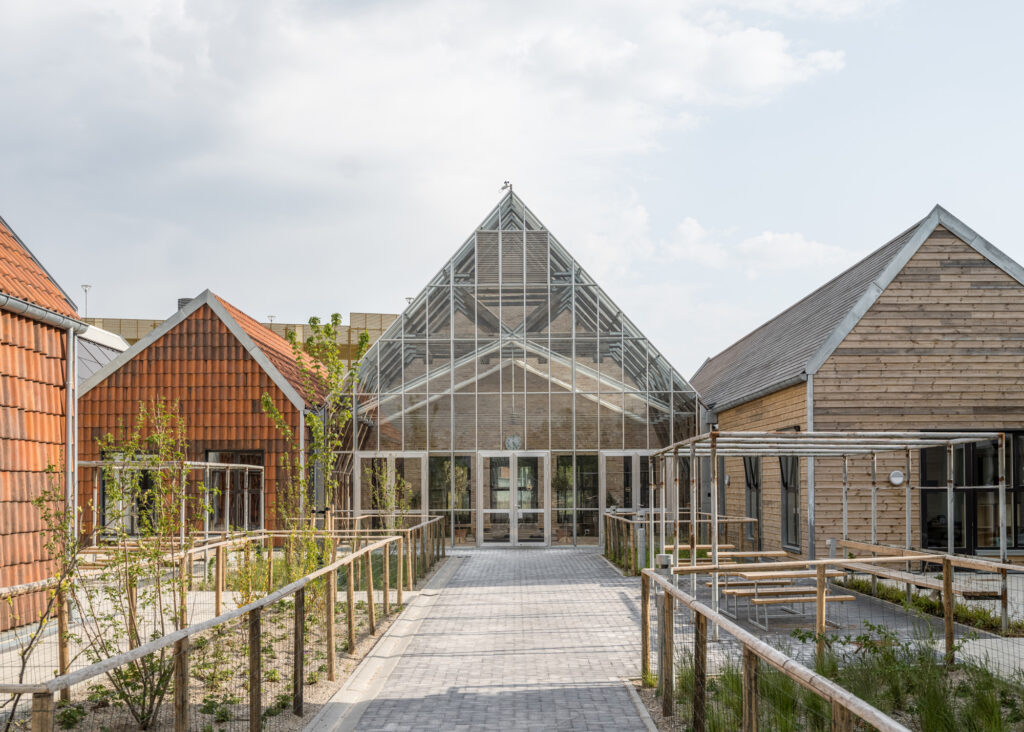
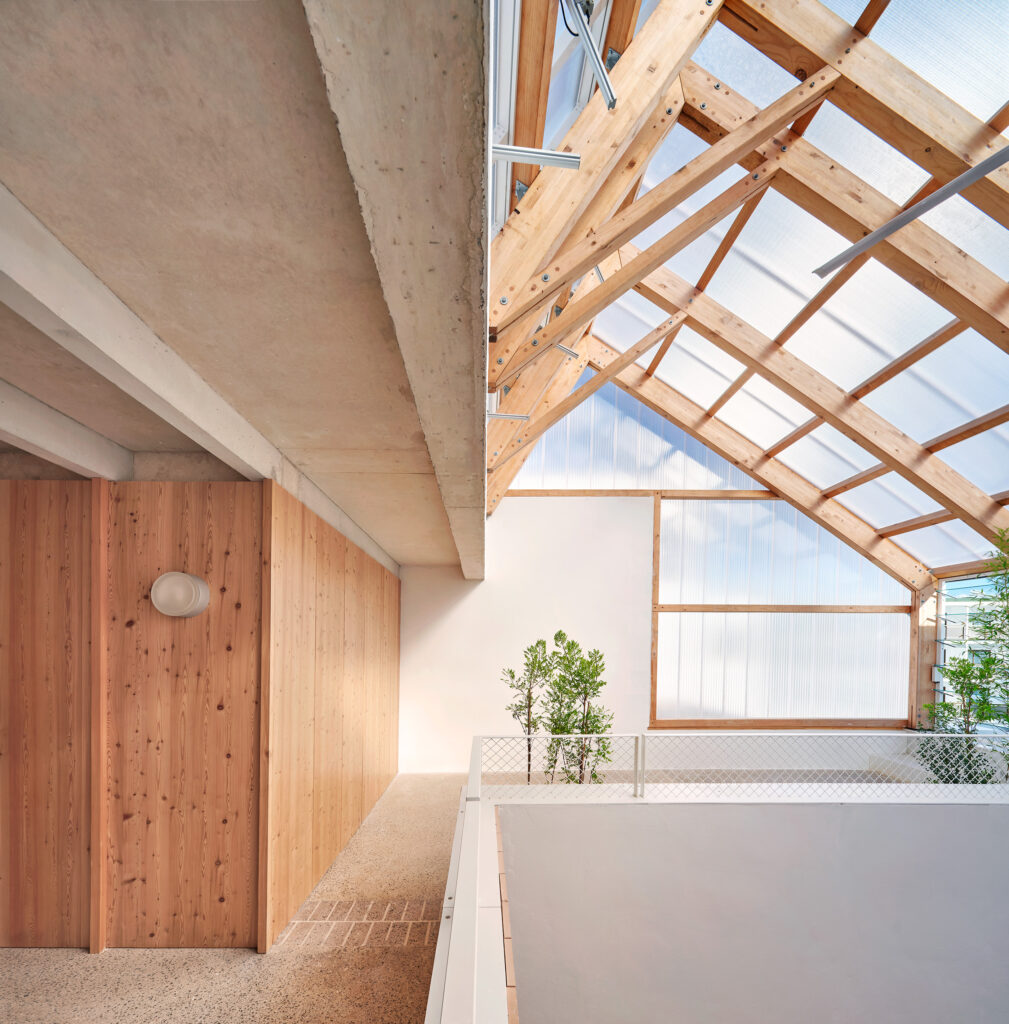
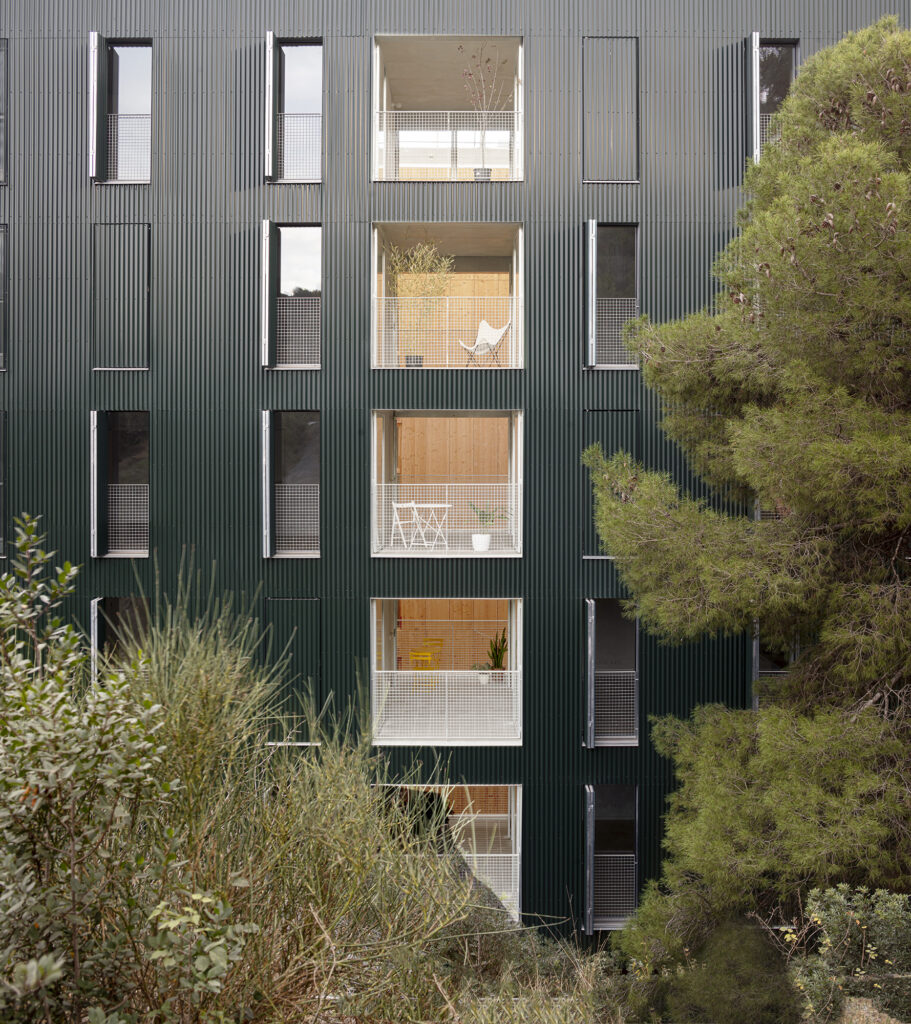
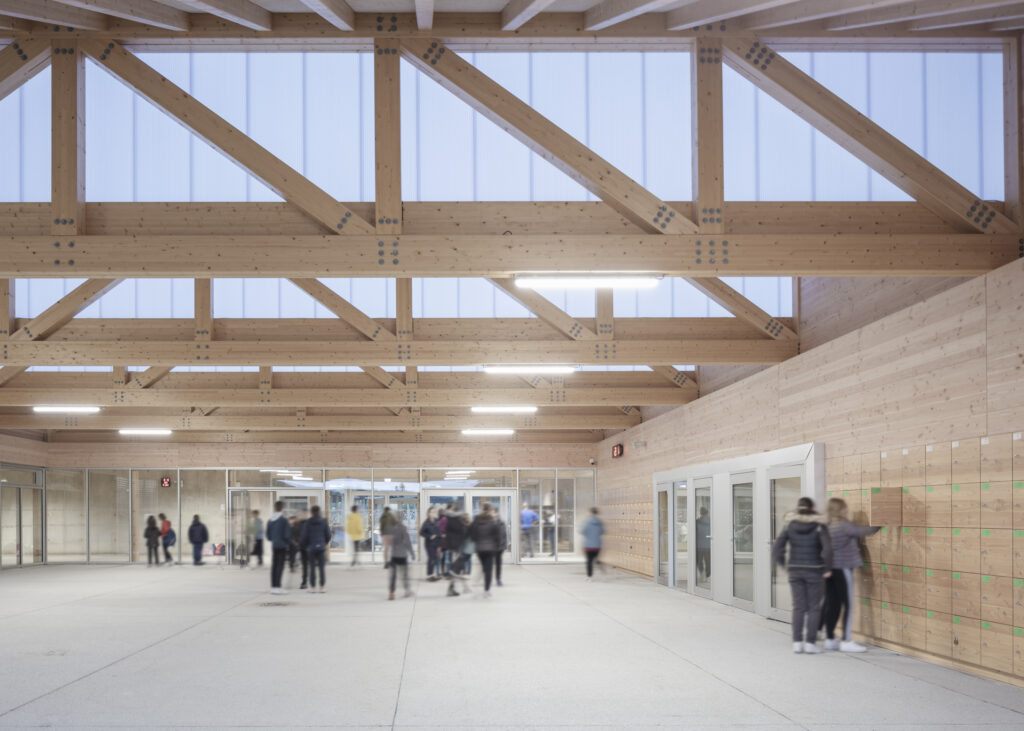
Completed projects from various regions of Europe will be shown – from social housing in Barcelona to the plus-energy daycare centre in Marburg. Educational buildings also play a role, such as the all-day school in Bretenoux, France, or the school extension in Rønde, Denmark. The spectrum ranges from new buildings to transformations and urban development concepts. The selected examples show how architecture adapts to changing climatic, social and economic conditions – without sacrificing aesthetic quality.
Making material tangible
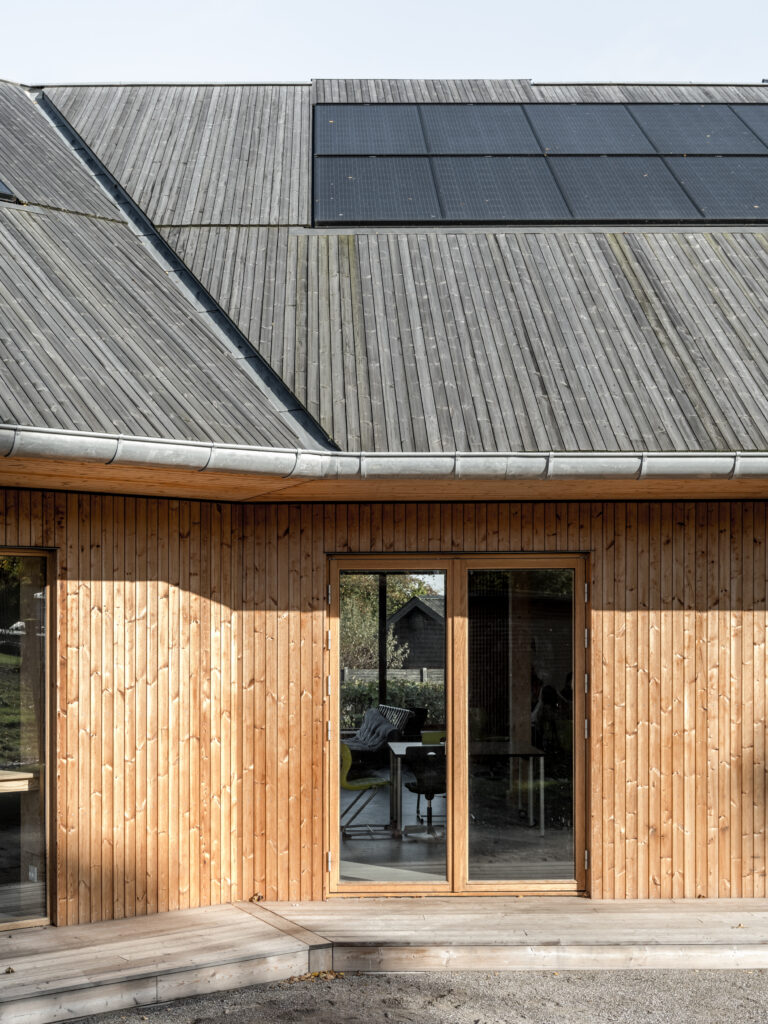
A central concern of the exhibition is to make the influence of building materials on the CO₂ balance visible and comprehensible. For example, Henning Larsen’s office will be showing the role of building materials in climate change as part of the satellite exhibition “Do you speak Carbon?”. Karlsruhe Institute of Technology (KIT) presents newly developed materials that have been evaluated according to emission-related criteria. Large-format component models also illustrate constructive solutions that think beyond technical systems.
Scientific discourse meets student perspective
In addition to renowned experts from architecture, urban planning, engineering and climate policy, students from various universities also contribute to the exhibition. The contributions by the Berlin University of the Arts, TU Dresden, the University of Kassel and ETH Zurich make it clear what role education plays in understanding sustainable architecture – and how young people are beginning to shape what will be built tomorrow.
Between theory and practice: mediation as the key to rethinking architecture
The exhibition does not leave it at pure presentation. An extensive accompanying programme with lectures, discussions, excursions and workshops makes the content lively and connectable. Visitors are invited to develop their own positions – across disciplinary boundaries.
“Architecture and Energy” is more than an exhibition about building technology. It formulates the claim to understand building as a cultural act in the midst of the climate crisis. This is about an architecture that goes beyond standards and not only manages the future, but actively shapes it. The contribution that planning can make does not start with the choice of material – but with the husbandry.
Details
- Exhibition: “Architecture and Energy. Building in times of climate change”
- Date: June 14 – October 5
- Location: German Architecture Museum (DAM), Frankfurt am Main
- Museum management: Peter Cachola Schmal, Andrea Jürges
- Curators: Werner Sobek, Annette Becker
- Exhibition concept: Annette Becker, Kjell ReiterScientific assistance: Rebekka Dietz
- More info: dam-online.de

You might also be interested in
SCHULBAU Fair
SCHULBAU Essen 2025 – Successful industry meeting for educational construction
Impulses, Lifestyle
WEtransFORM in Bonn: Exhibition outlines visions for sustainable construction