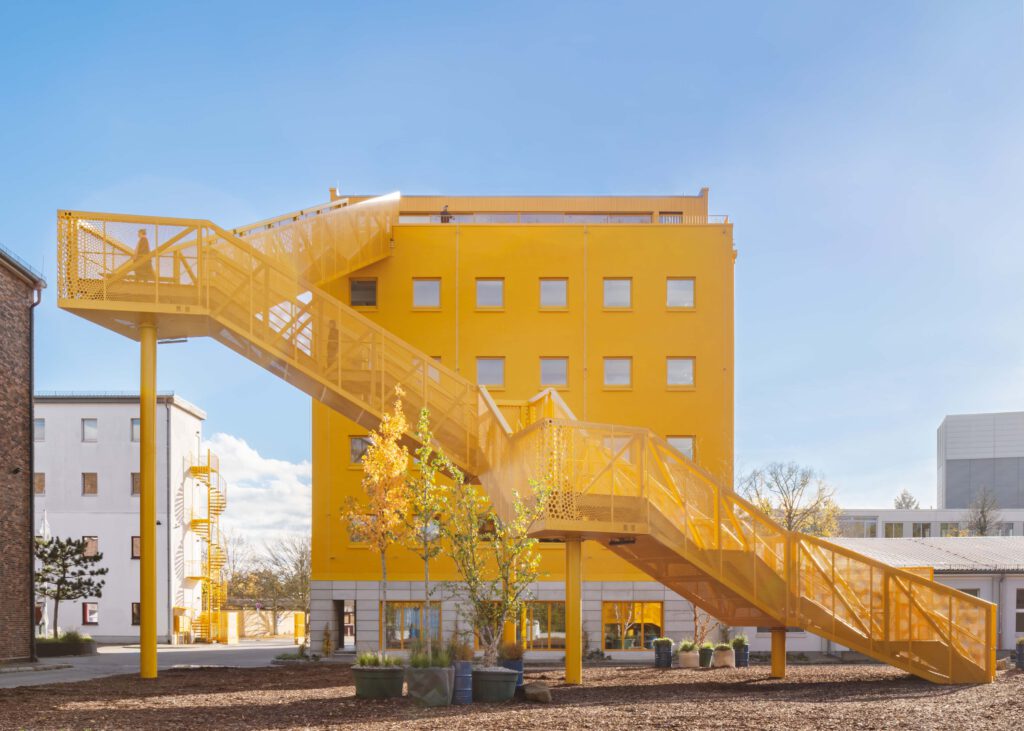
New work environments for public administration
Weinheim, February 2026 – A pilot area demonstrates how administrative spaces could be organised in a more flexible, open and user-oriented way, creating new qualities of work. How can administrative buildings be designed to be…
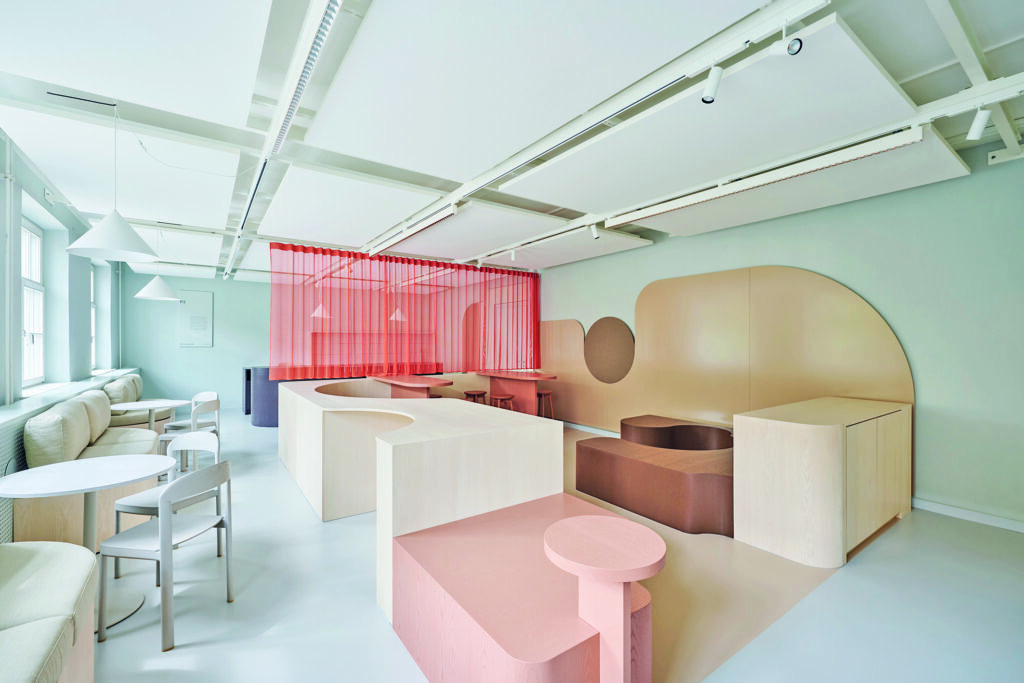
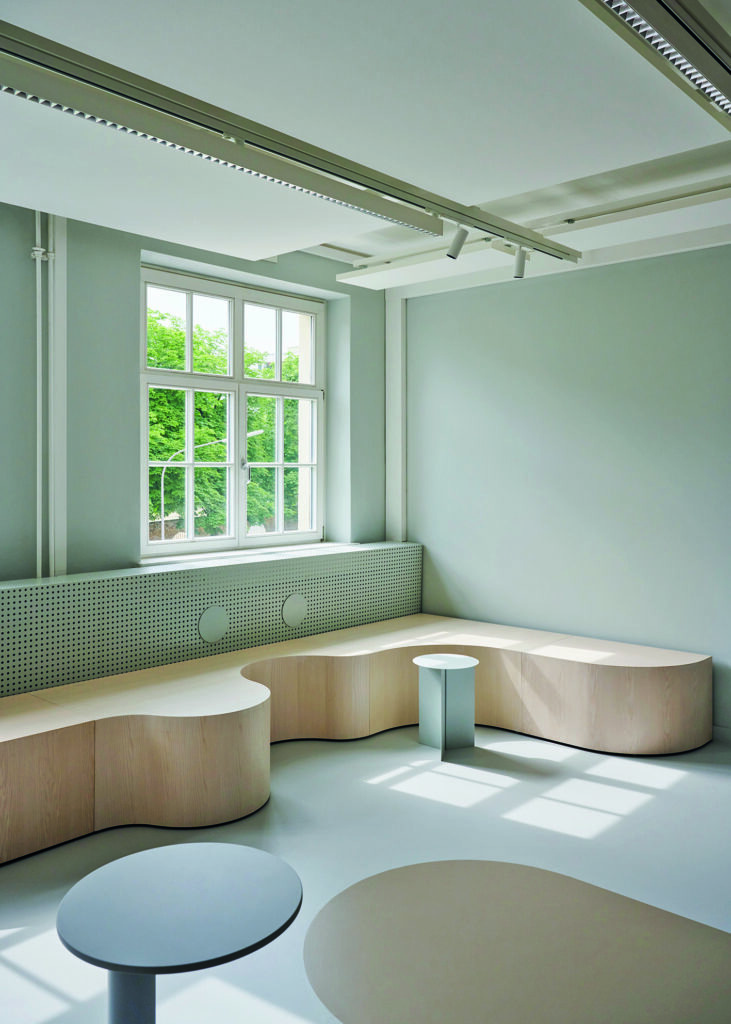
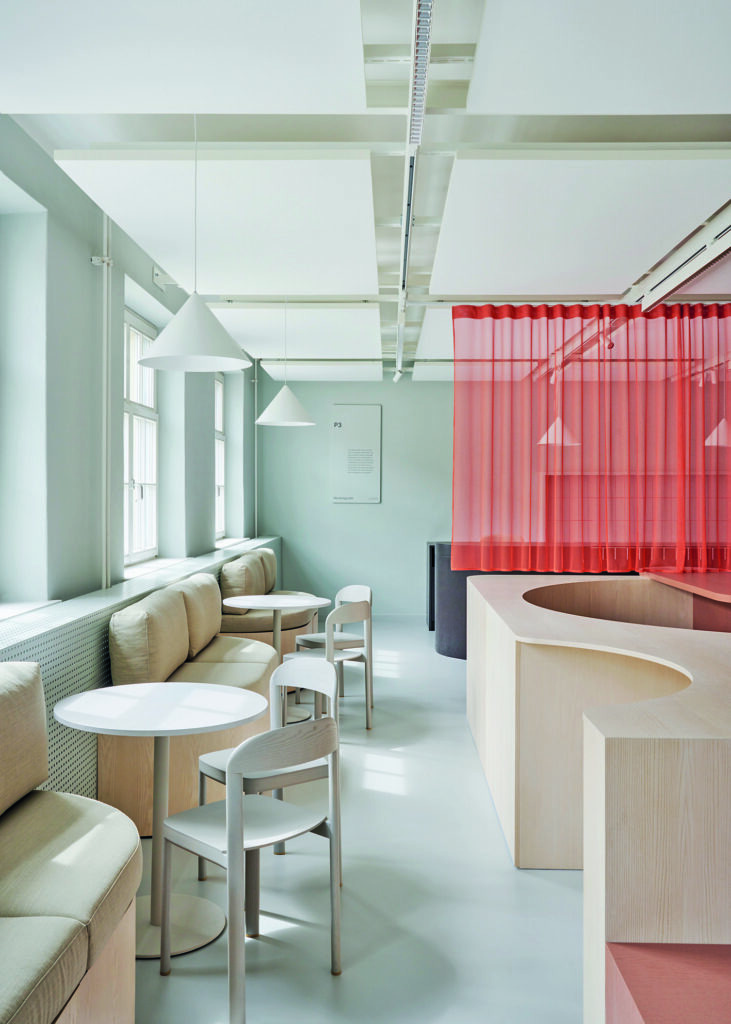
Weinheim, February 2026 – A pilot area demonstrates how administrative spaces could be organised in a more flexible, open and user-oriented way, creating new qualities of work. How can administrative buildings be designed to be flexible, digital and, at the same time, citizen-friendly? Using these guiding questions, the Munich-based architecture firm INPULS and the Freising District Office developed a pilot area in the former staff barracks – awarded the German Design Award Gold 2025. The zoned working landscape serves as an experimental space for new forms of collaboration. Teams test working methods here in rotating cycles, and the insights gained feed into the planning of the new building. The noraplan uni rubber flooring was installed as a continuous material throughout.
User-oriented design as a guiding principle
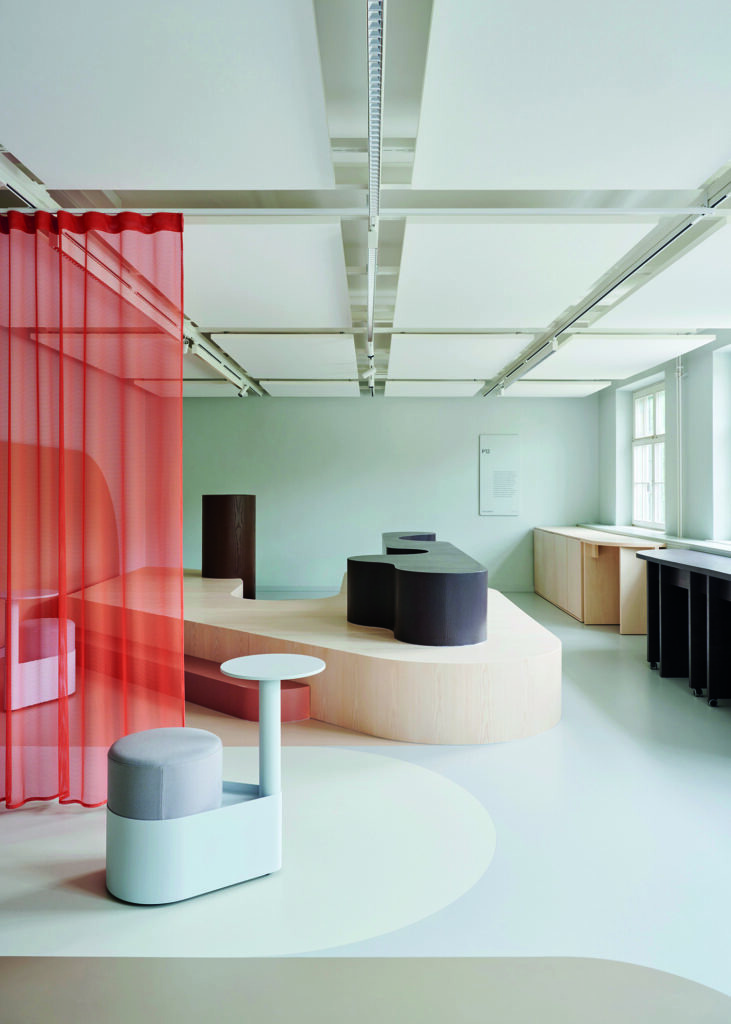
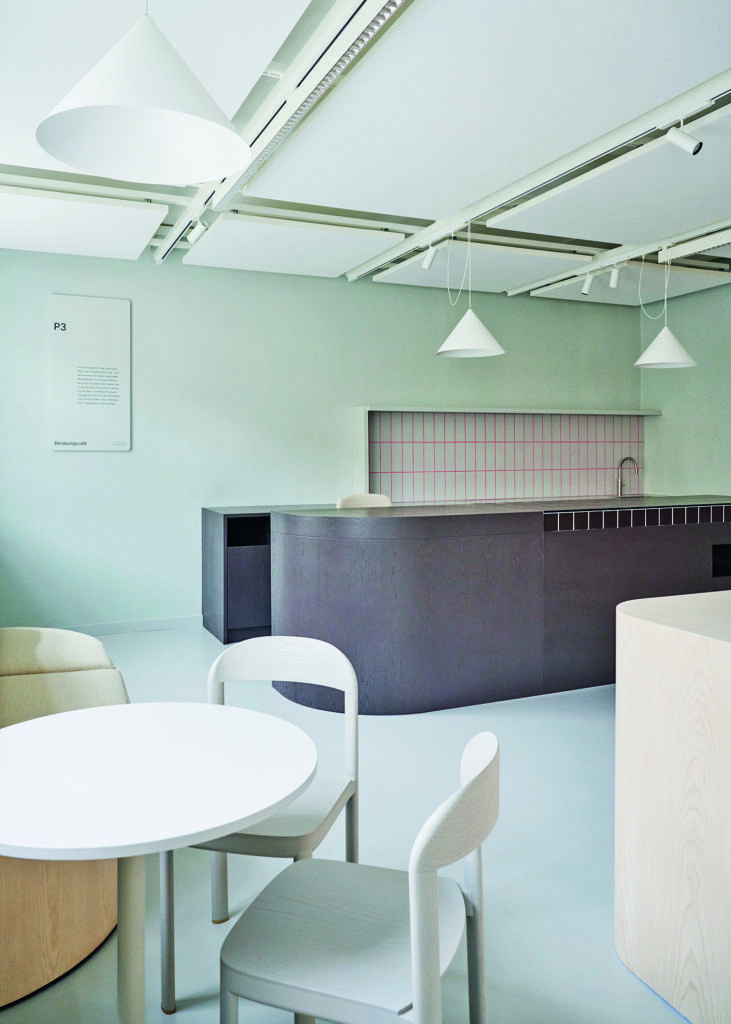
The pilot area follows a needs-based design concept that interlinks spatial structure, materiality and colour design. Openness and accessibility are expressed through a design based on a palette of human skin tones. The spatial logic is shaped by a modular meander system that runs through the existing building like a second skin, structuring areas of use without overriding the existing structure. The floor plays a key role: “We use rubber floor coverings regularly – and here they were an ideal fit as well,” says Sabrina Tafelmeier of INPULS. “The homogeneous surface and the beige and brown nuances convey calm and openness.”
Modern functionality within a historic structure
One reason for the choice of material lay in the structural conditions. Due to heritage protection requirements, the existing floor could not be removed. The covering could be installed without difficulty over the existing substrate and also proved to be a good fit in terms of design. “The calm, homogeneous appearance creates a clear foundation that structures the space without visually dominating it,” explains Tafelmeier. This restraint allows the furnishings and zoning to come into their own. At the same time, the material impresses with durability and easy cleaning – crucial for heavily used areas.

You might also be interested in
SCHULBAU Fair
SCHULBAU Essen 2025 – Successful industry meeting for educational construction
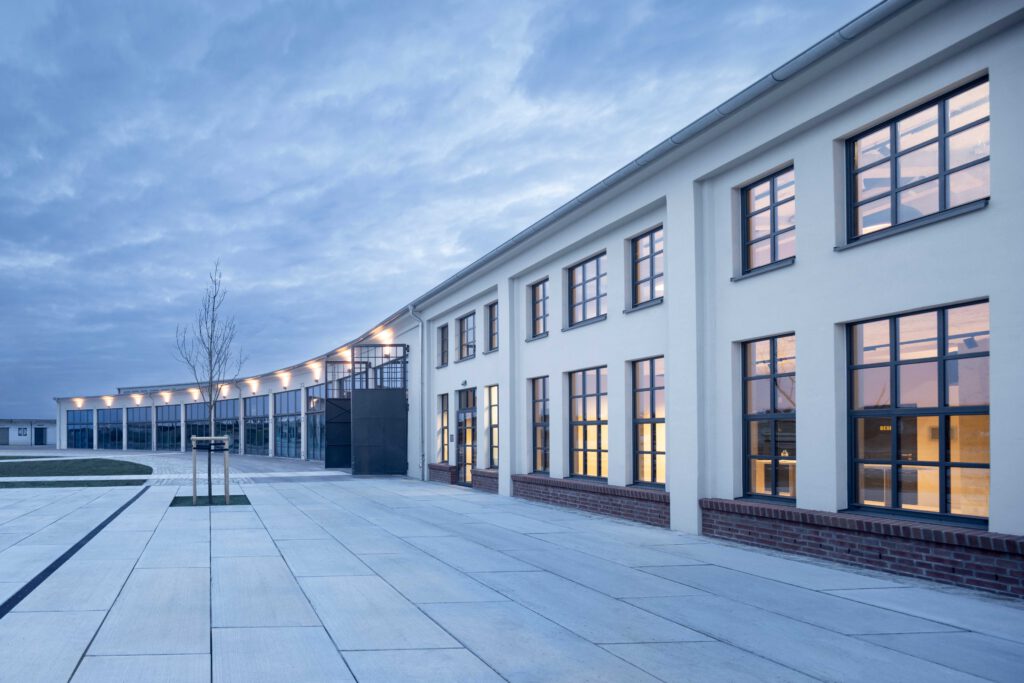
Impulses, New Work
Coppenrath Innovation Centre: From roundhouse to a space for research