Review of SCHULBAU Cologne
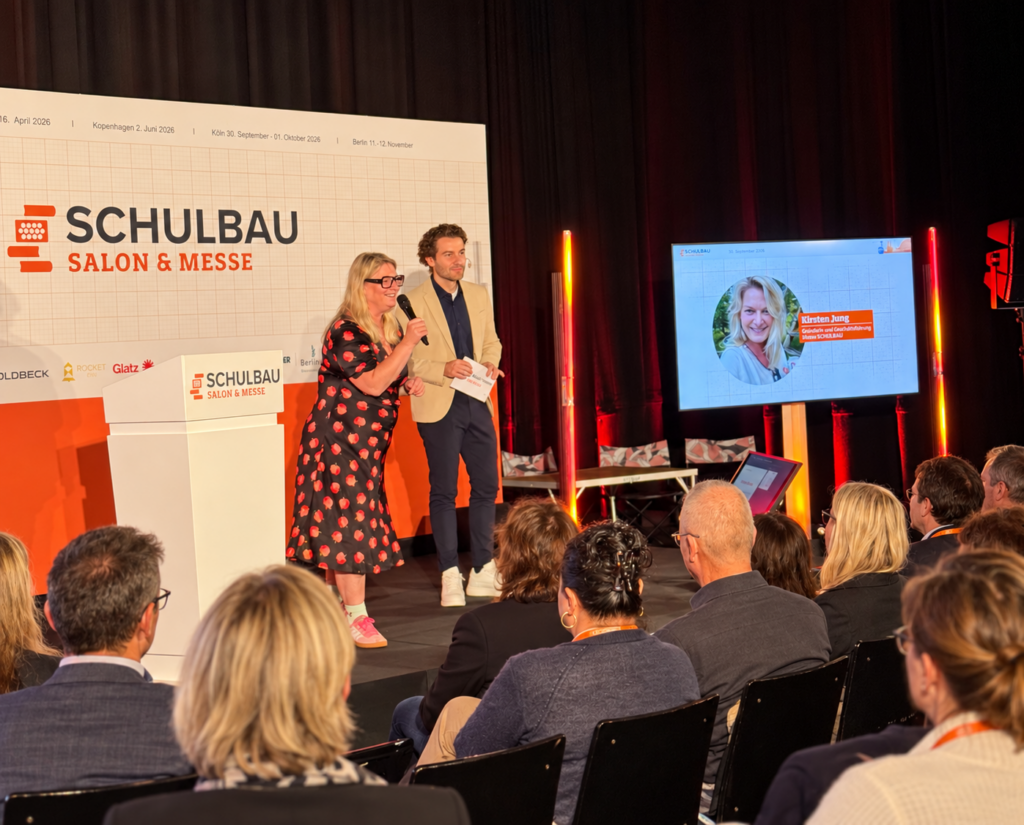
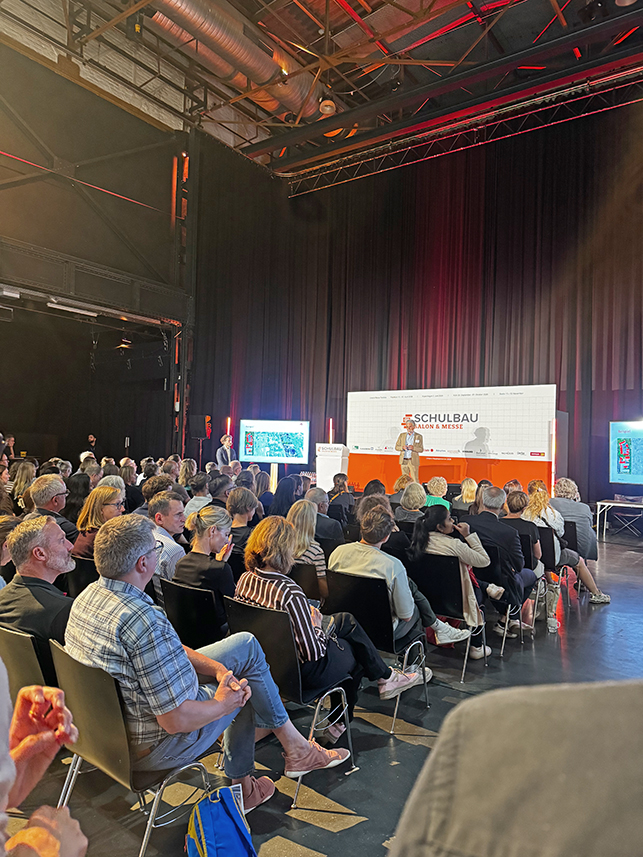
What a two-day event in Cologne! On September 30 and October 1, 2026, SCHULBAU Cologne at the Palladium demonstrated the energy, creative drive, and shared commitment inherent in educational construction.
Energy, Exchange, and New Paths for Quality Schools
High-Energy Kickoff in Cologne
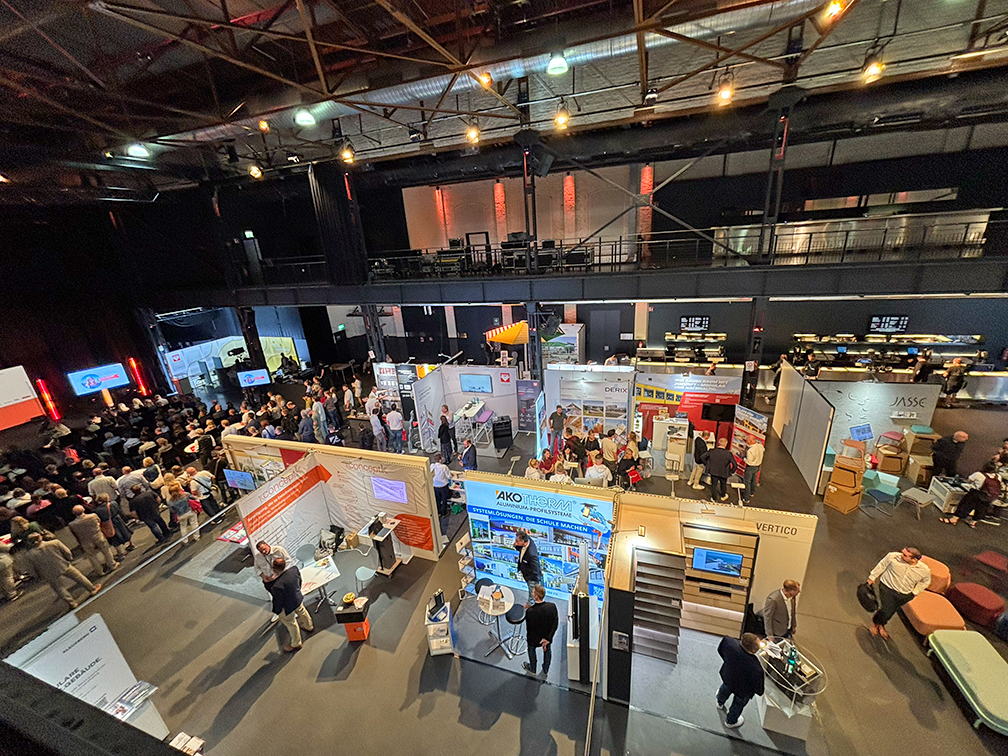
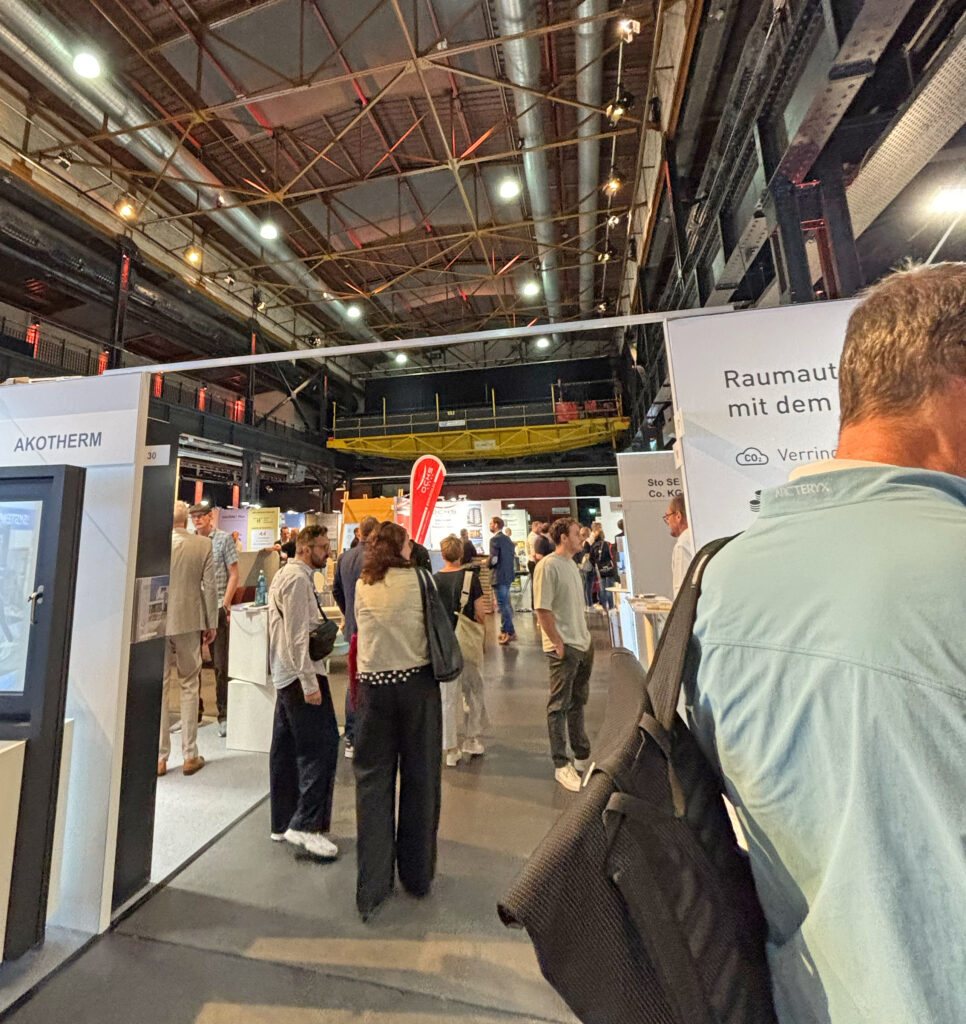
Upon entering the Palladium, the immense need was palpable – as was the determination of all involved to create the best possible learning environments for children and young people. We all face the same questions: How do we acquire space? How do we organize processes intelligently and proactively? And how do we design spaces that truly support new pedagogy, all-day schooling, and climate adaptation?
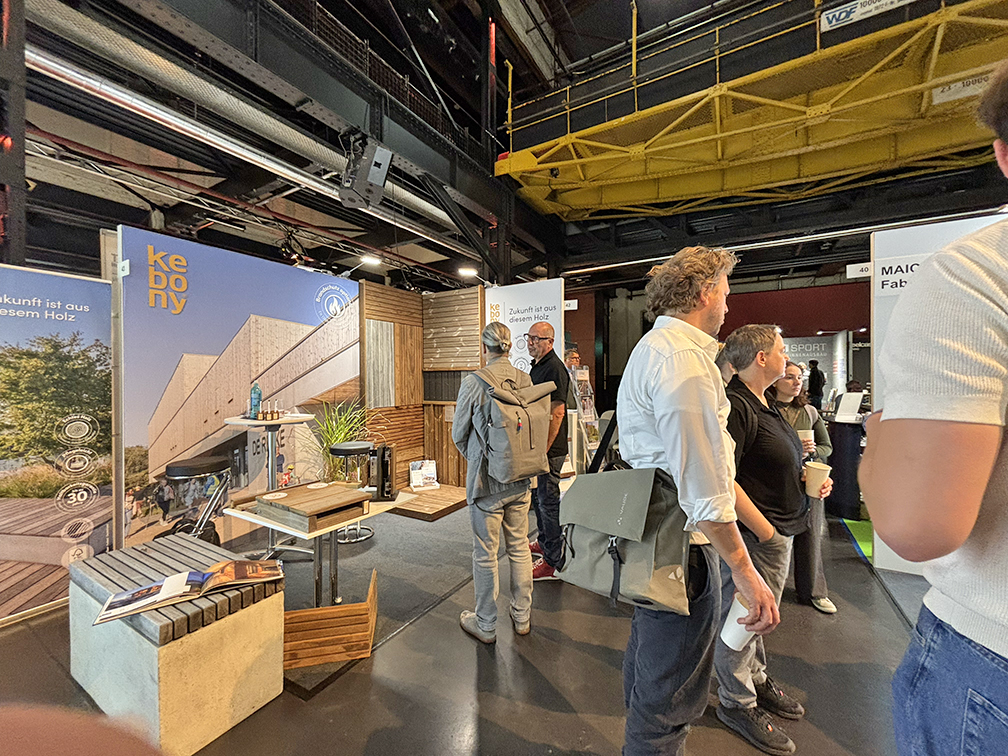
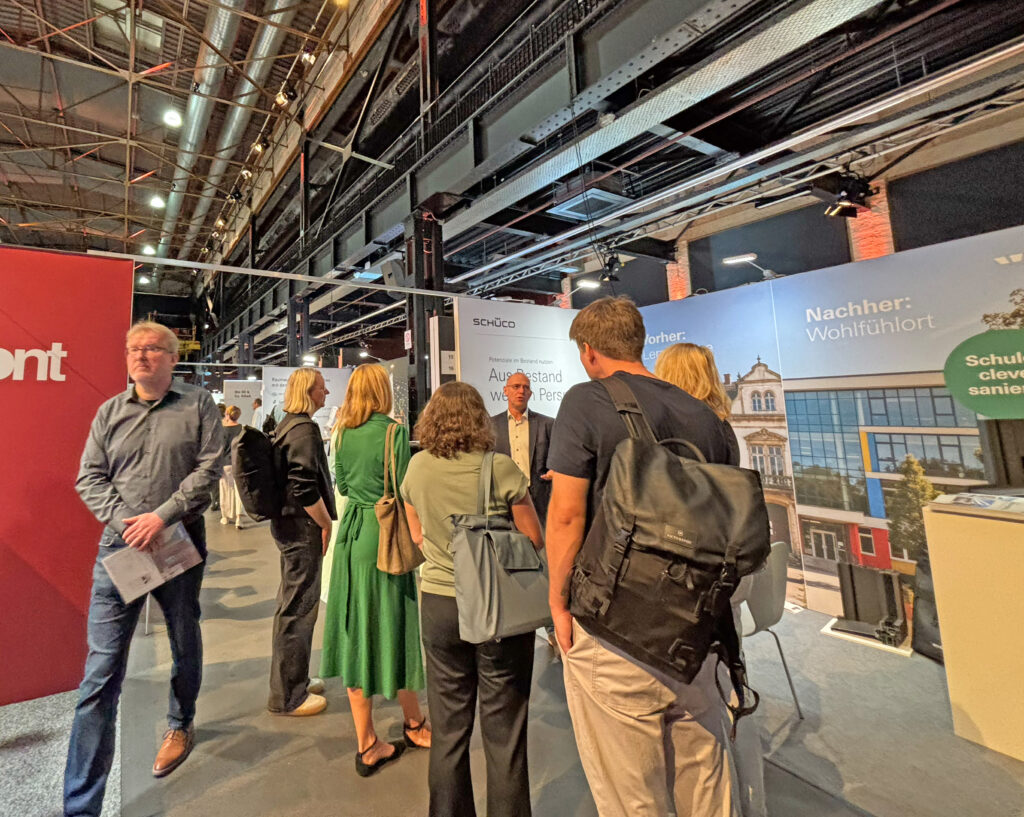
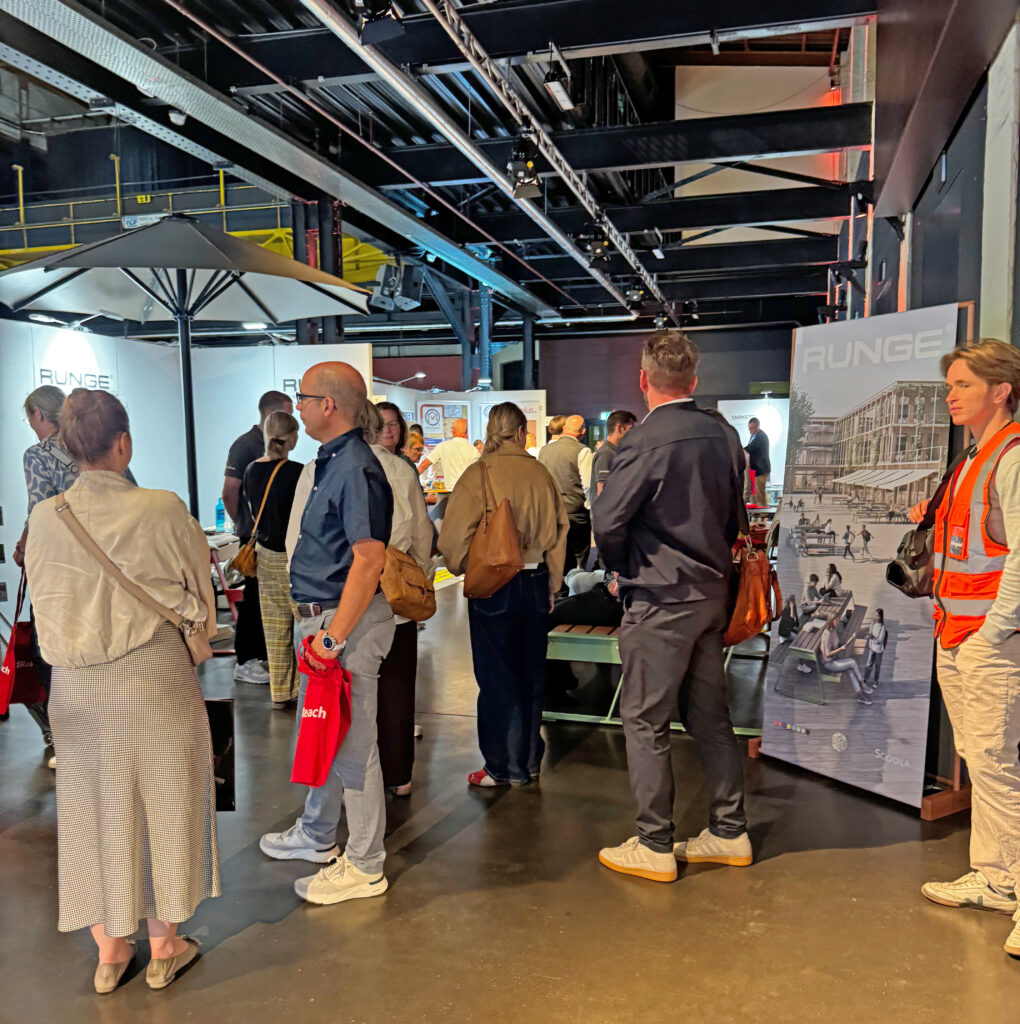
Our trade fair has once again shown that this exchange is urgently needed and actively sought. Visitor numbers exceeded all previous SCHULBAU records. Between the stands, lectures, and discussions, a special sense of genuine collaboration emerged among all participants – architects, school authorities, educators, administration, and the construction industry. Questioning, debating, laughing, and networking continued well into the blue hour.
Speed begins long before the construction site
“Personnel, money, space, or all three?” – the question posed by Jens Rauber, Managing Director of the Cologne School Construction Company, brought a core issue to the table. Faster school construction does not start on the building site. It begins much earlier: with clear responsibilities, secured plots, reliable financing, and procurement structures that interlock.
Prefabrication and timber module construction can increase speed, for example, when production and site preparation run in parallel. At the same time, it became clear that those who build quickly must think long-term. Schools must be capable of expansion, change, and adaptation to new pedagogical and climatic requirements.
Furthermore, existing buildings are not a side project. Many municipalities cannot simply build new facilities. Developing, repurposing, and spatially reorganizing existing schools becomes decisive where space and budgets are tight. Examples of how underutilized areas can be transformed into genuine places for learning, recreation, or social interaction were particularly inspiring.
How spaces help shape learning
In Cologne, the frequently cited concept of “space as the third teacher” took on a very concrete form. When learning no longer takes place solely through frontal instruction, schools require spaces for group work, retreat, movement, and social interaction.
Then there is the all-day school requirement: Since August 2026, a legal entitlement has applied to newly enrolled children, extending to all primary school year groups by 2029/30. This changes schools – both spatially and atmospherically. They are becoming living spaces, with requirements for dining, leisure, rest, movement, and diverse forms of learning.
The term Phase Zero was mentioned repeatedly: the early collaborative clarification of what a school needs pedagogically and spatially. Cologne and Düsseldorf impressively demonstrated how much faster and clearer projects become when schools, school authorities, administration, and planners come together early.
Climate-resilient – and aesthetically pleasing, please
Climate adaptation became concrete in Cologne. Hot summers, overheated classrooms, heavy rain – all of this has long been a reality. Shading, greening, materials with good heat and moisture-regulating properties, night cooling, rainwater retention: the examples showed how much is possible when climate adaptation is conceived not as an add-on, but as a fundamental principle.
And then there was this sentence from Prof. Christian Heuchel that resonated: “Let us build beautiful schools.”
A statement that felt almost liberating amidst the focus on speed and cost-effectiveness. Because atmosphere, identification, and architectural quality are not luxuries. They are part of a good education.
Learning from one another – across city limits
The second day of the fair showed how different municipalities solve similar challenges. Düsseldorf with a long-term organized school construction offensive, Dortmund with new paths in standardization and procurement, and Wuppertal with strong perspectives on existing buildings and participation.
It was not about copying models, but about learning from one another: What works elsewhere – and what aspects of that fit one’s own conditions?
This is precisely where the particular strength of SCHULBAU lies: good solutions do not have to end at city or state borders.
“Hello Office!” – Engaging in Direct Dialogue
The new “Hello Office!” format, which premiered at SCHULBAU Köln and met with great interest, also demonstrated how uncomplicated exchange can be. At selected meeting points at the fair, visitors could engage directly with representatives from municipalities, offices, and authorities – without fixed appointments or major hurdles. This provided space for specific questions, new contacts, and the exchange of ideas regarding current challenges in school construction. A format that fosters proximity and brings together the people who are jointly advancing educational construction.
Out of the Palladium, into practice
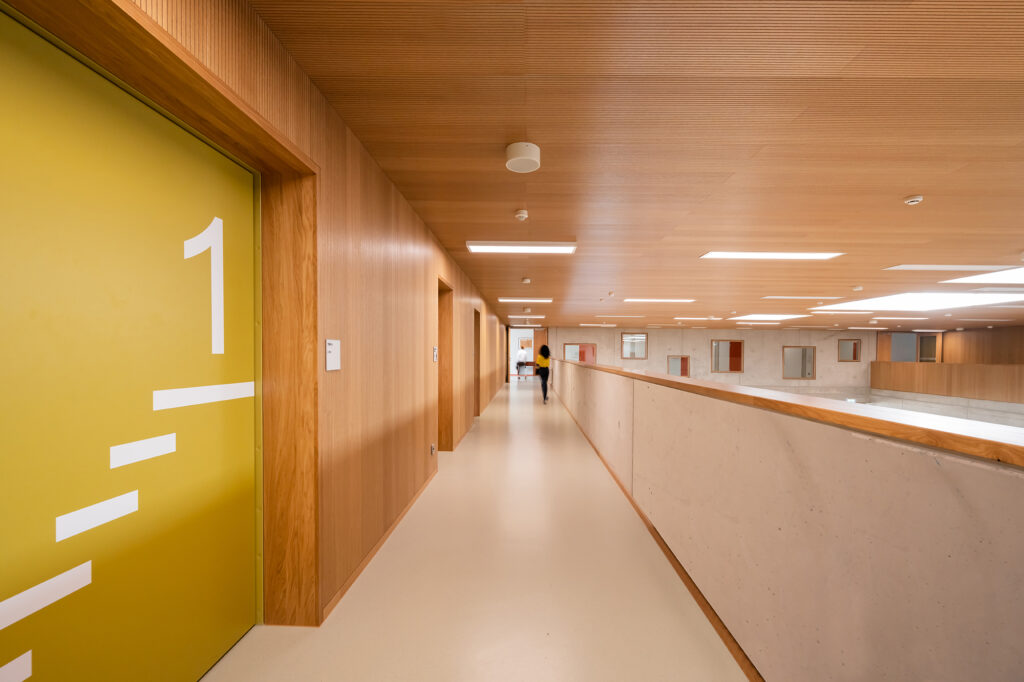
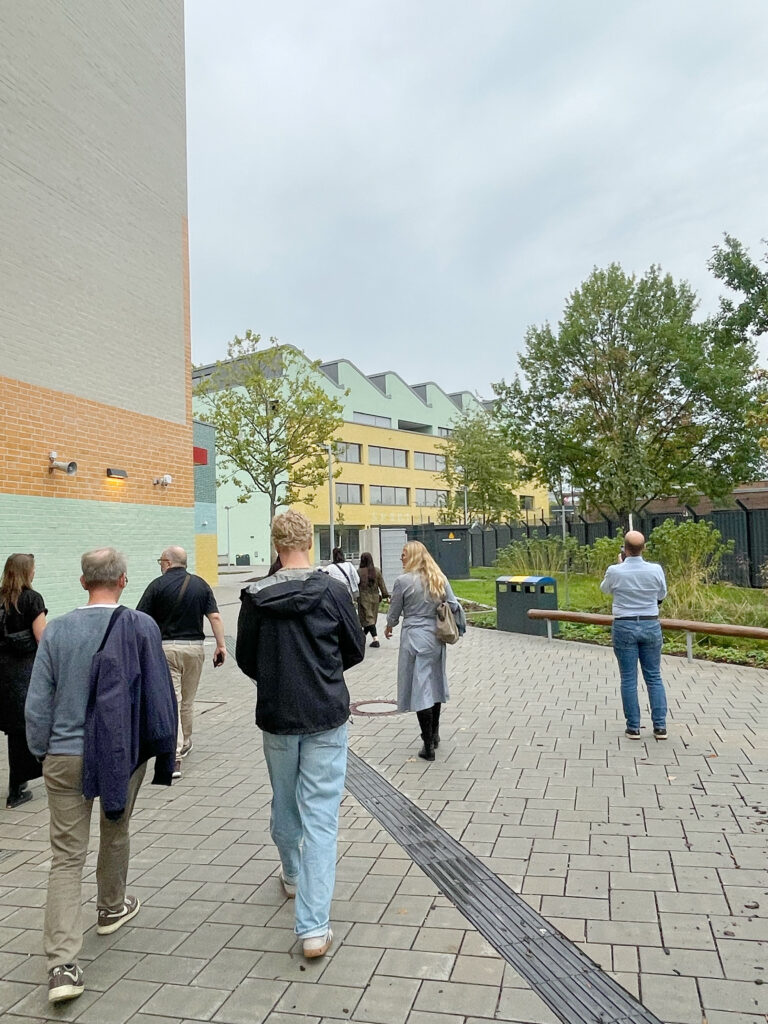
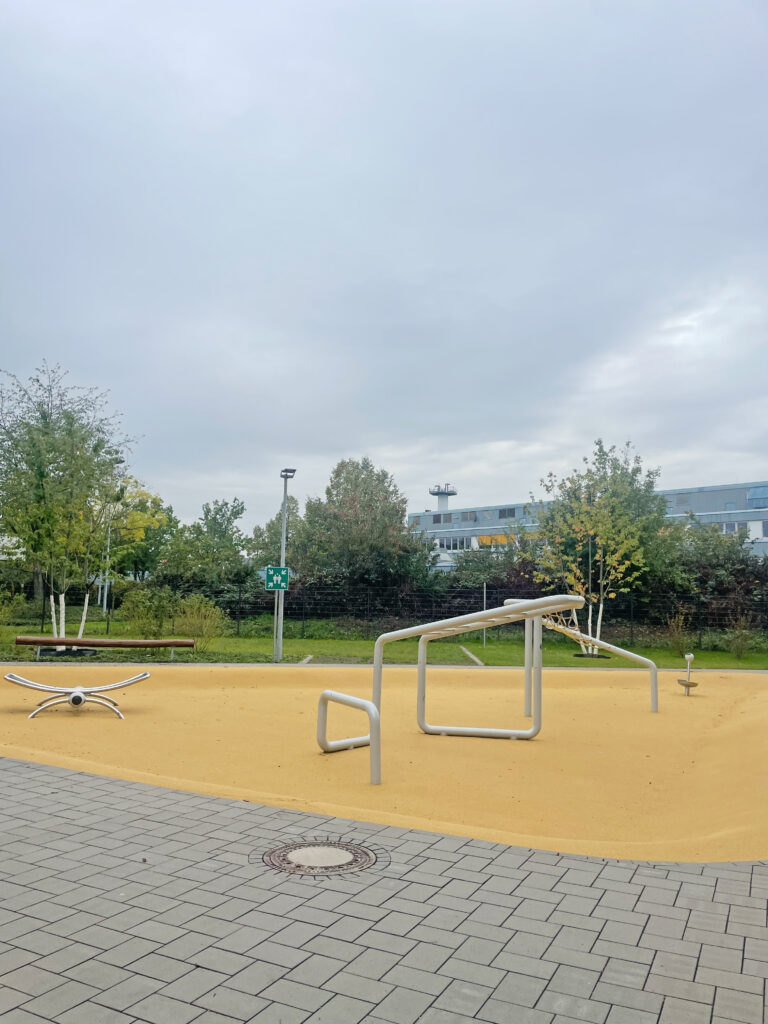
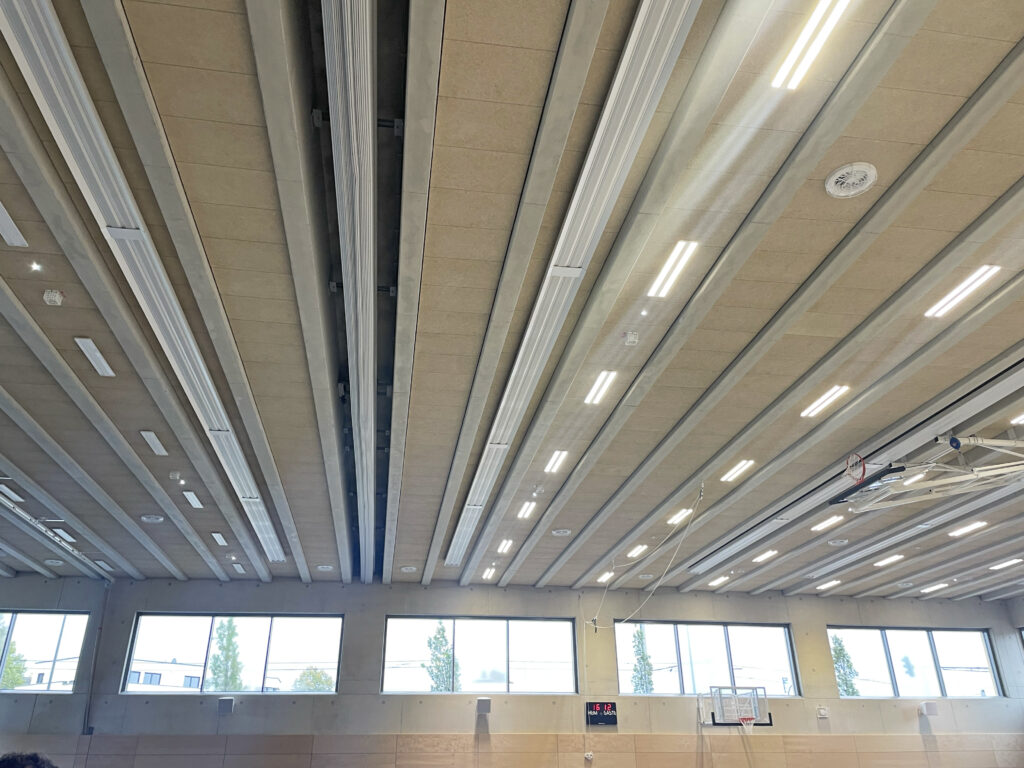
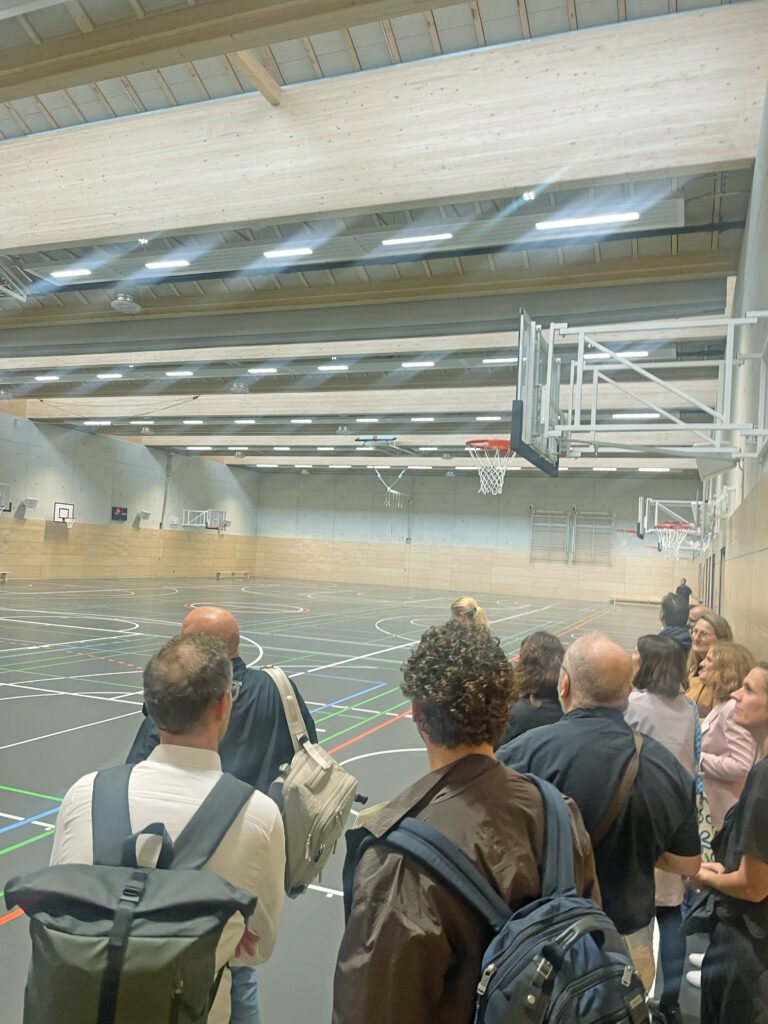
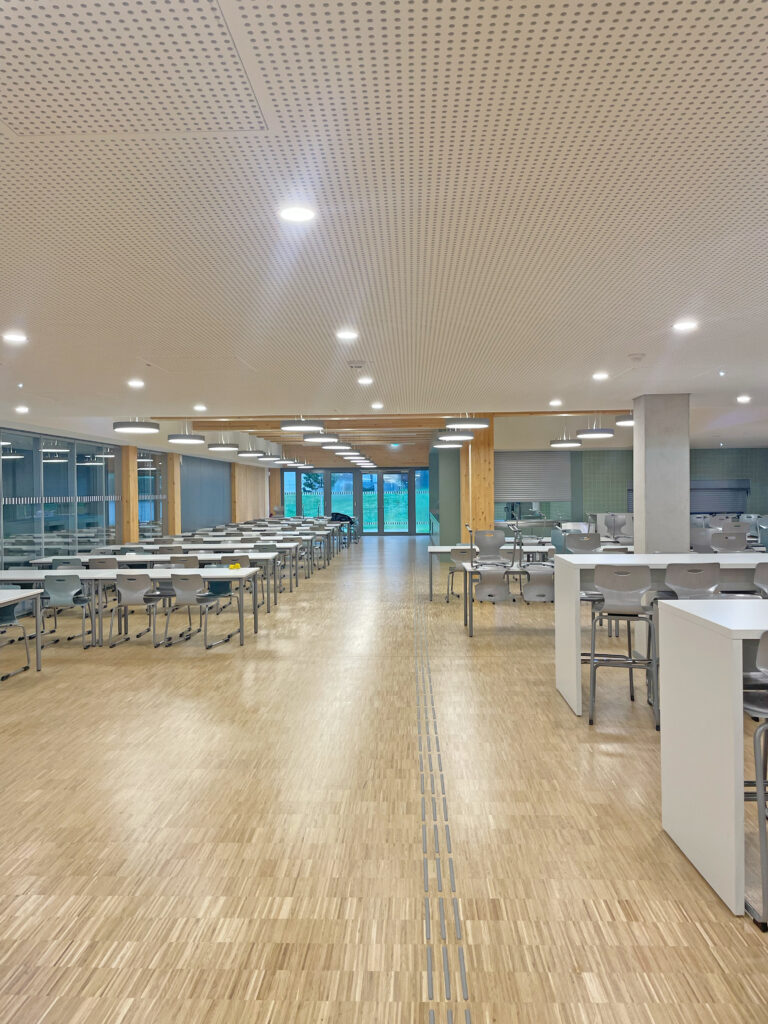
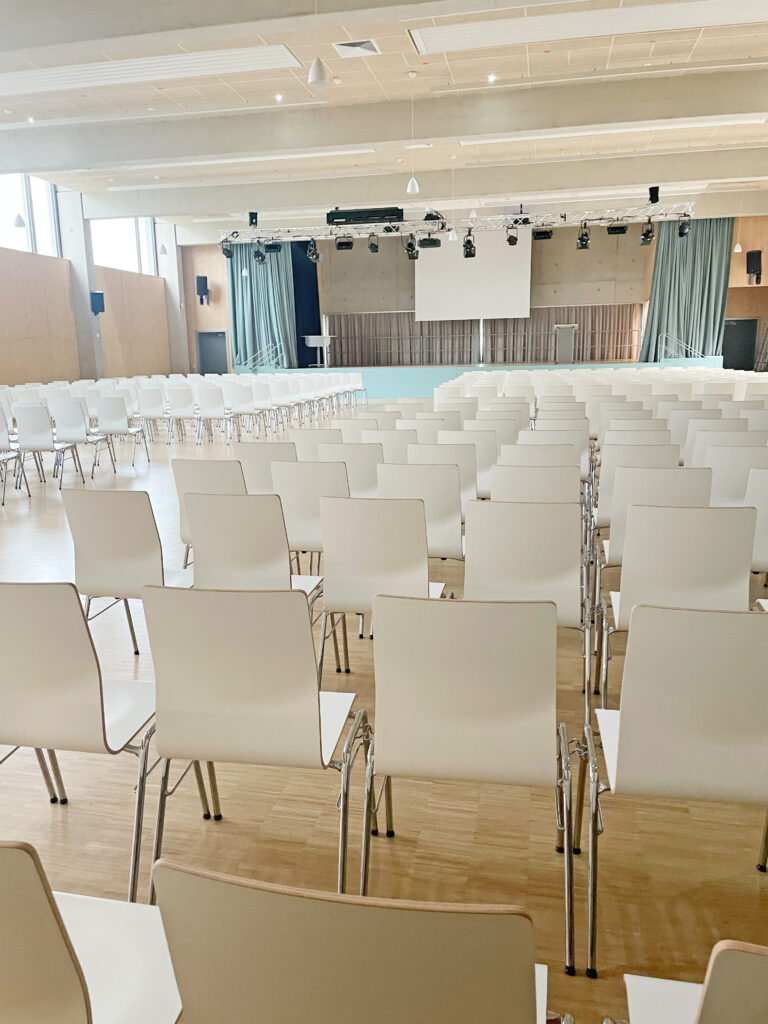
The conclusion could hardly have been more fitting. During the excursion to Gesamtschule Ossendorf, many of the fair’s themes became tangible: timber-concrete hybrid construction, learning house structures, green roofs, facades, heat protection, and rainwater retention. Discussions turned into spaces, and ideas into a built environment.
Thank you, Cologne – and on to Berlin
Thank you to everyone who filled our SCHULBAU Cologne with projects, experiences, questions, new ideas, and so many intensive discussions. It was great to be with you – and we are taking a lot away from Cologne.
We will build on this in Berlin – with many new voices, fresh perspectives, and of course familiar faces that make the exchange so valuable.
Statements from the trade fair:

© Florian Kretzschmar
“A day with high-quality contributions, many good discussions, and concrete project ideas that we now want to implement together. With its excursion program and on-site encounters, SCHULBAU combines the broadening of horizons with networking. Good schools are created where school development and school construction are conceived together and where different professions work on them from multiple perspectives and in collaboration. SCHULBAU brings these people together and demonstrates what is possible through the excursion.”
Florian Kretzschmar, Learning SPACE Developer Brilon, NRW
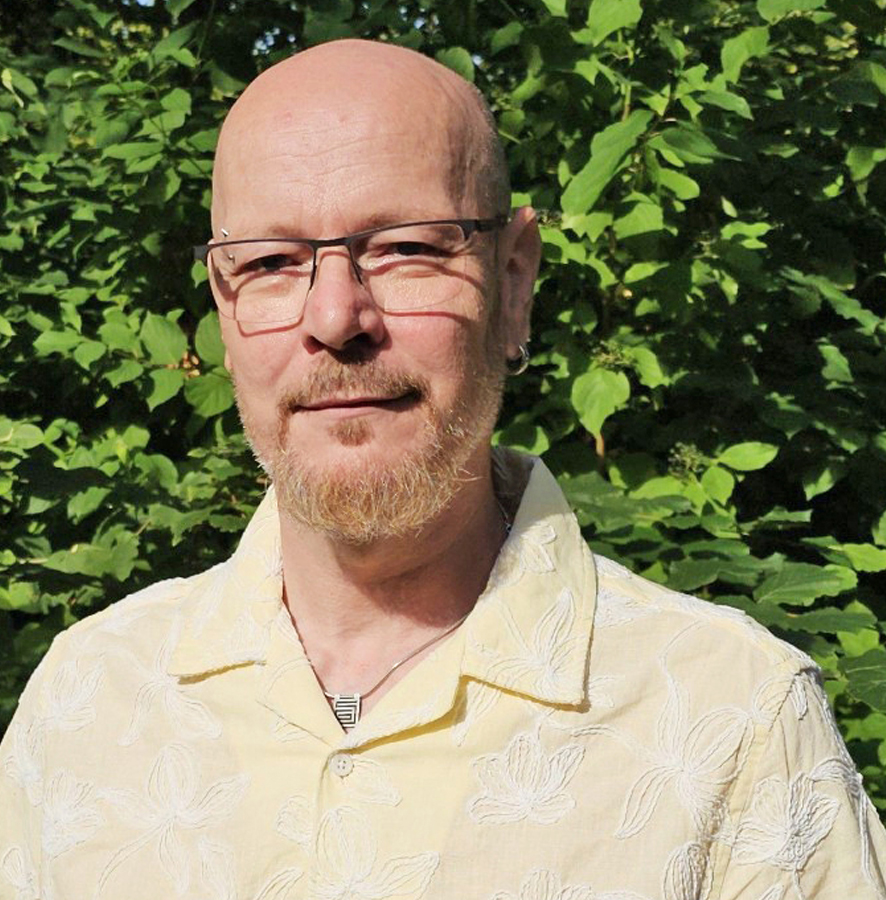
© Georg Salomon
The response to the presentation of our “Pedagogical Architecture” project at the opening of the Schulbau trade fair in Cologne was truly fantastic. The subsequent direct dialogue with school authorities, architects, and educators on-site showed once again: school must be completely rethought today. For us, the greatest benefit of the fair lies in the practical exchange and networking with a wide variety of stakeholders in school construction. The impressions gained and the positive feedback provide us with momentum in our targeted support of schools and school authorities in North Rhine-Westphalia, so that learning spaces are transformed into living spaces through future-oriented design.
Georg Salomon, Dipl.-Ing. Arch, State Institute for Schools of the
State of North Rhine-Westphalia

© Philipp Stranzinger
“SCHULBAU Cologne demonstrated for us how valuable shared exchange about the school of tomorrow truly is. Here, people come together who take responsibility and actively shape our educational spaces. As a Swiss family business with a long tradition, we were particularly pleased to speak about spatial hygiene and acoustics in classrooms. Good learning environments help children feel comfortable and learn with concentration. At the same time, they support our teachers, whose demanding work deserves special recognition and respect for the future of our children. Those who design good schools create space for successful learning and teaching.”
Philipp Stranzinger, Sales Director Germany North
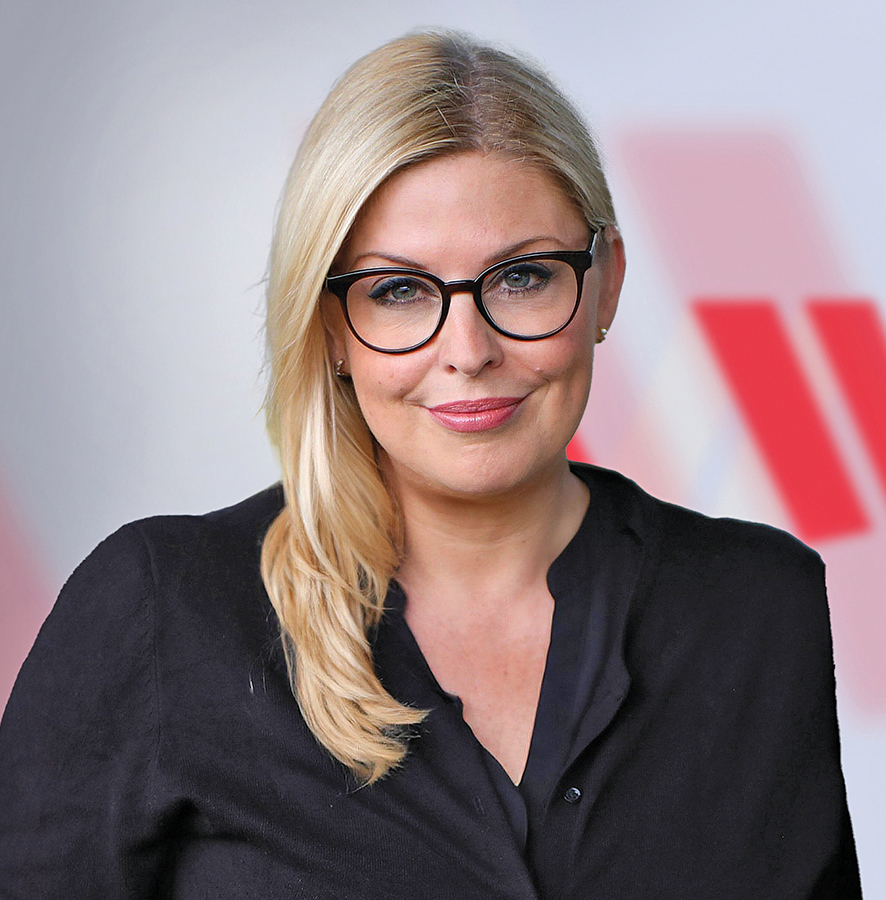
© Domeniceau
“School construction is one of the most pressing planning and building tasks of our time – and not only out of responsibility toward the younger generation. Municipalities, states, and the federal government are investing large sums here. The SCHULBAUSALON is an important meeting point for all those involved to discuss effective methods of procurement and high-quality school buildings. The North Rhine-Westphalia Chamber of Architects is pleased to be a partner of this inspiring format. “
Gesche Arns-Büsker, Vice President of the North Rhine-Westphalia Chamber of Architects

You might also be interested in
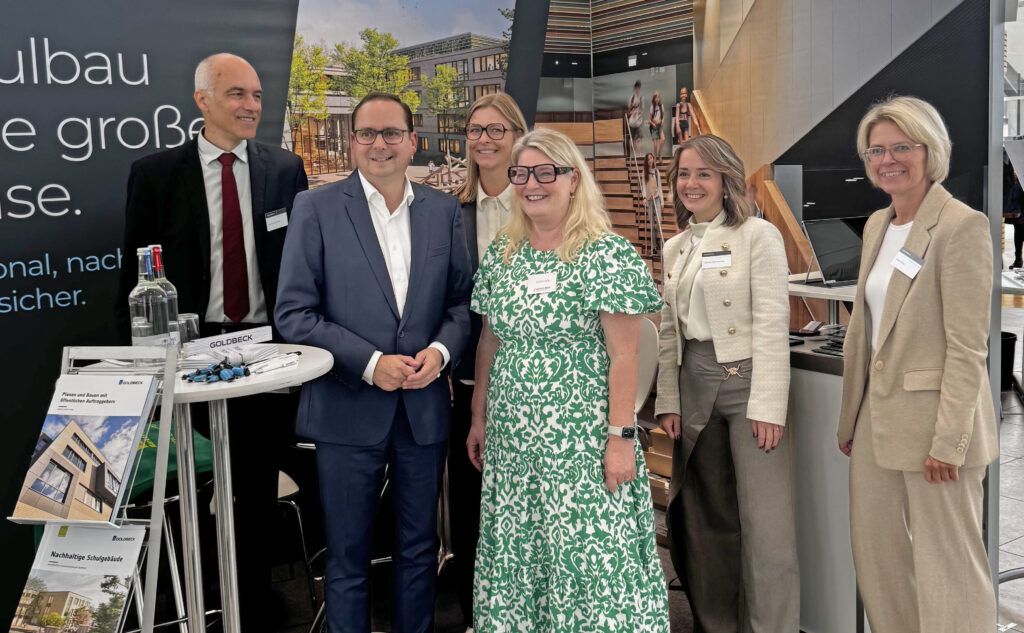
SCHULBAU Fair
SCHULBAU Essen 2025 – Successful industry meeting for educational construction