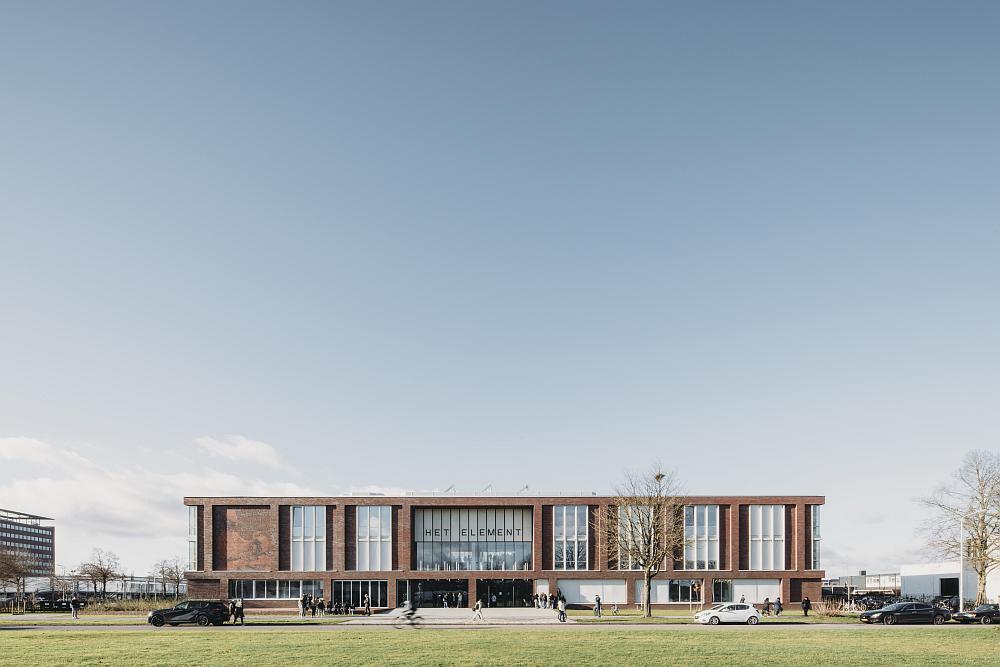
Between New School Construction and Preservation of Existing Buildings: Progress in Berlin’s School Construction Initiative
Berlin’s school construction initiative is increasingly showing results: for the first time since the program began, the calculated shortage of school places is declining. According to current information from the Berlin Senate, the deficit decreased…

Berlin’s school construction initiative is increasingly showing results: for the first time since the program began, the calculated shortage of school places is declining. According to current information from the Berlin Senate, the deficit decreased from approximately 26,100 to 24,100 school places. Despite this development, the expansion of educational infrastructure remains a long-term task, as the number of school-age children continues to be high due to migration and demographic trends.
Expansion Initiative Creates New Capacity
Since the 2016/2017 school year, 32 new and replacement buildings, 123 expansion measures, and 61 sports halls have been completed as part of the school construction initiative. This has already created approximately 53,000 additional school places. By the 2026/2027 school year, this number is expected to rise to approximately 62,000 places.
Renovation of Existing Buildings Gains Importance
In addition to new construction, the preservation of existing buildings is increasingly coming into focus. To reduce the backlog of renovations, more than 1.5 billion euros were invested in the structural maintenance of schools between 2017 and 2025. Additional funds are available for a new renovation program. This makes it clear that the future of school construction does not lie solely in new buildings, but equally in the modernization and development of existing school sites.
New School Building Typologies for the Growing City
Against the backdrop of limited inner-city space, Berlin is also working on new school building typologies. The concept of the so-called “2in1 school” aims to create compact, stacked school buildings that enable efficient use of space. The development of such models demonstrates that school construction must increasingly respond to densification, multiple use, and innovative spatial concepts.
Long-Term Task for Planning and Administration
For planners, school authorities, and municipalities, Berlin’s development exemplifies that the expansion of school capacity remains an ongoing task. This requires both effective new construction programs and strategies for renovation, densification, and sustainable transformation of existing buildings.

You might also be interested in
SCHULBAU Fair
SCHULBAU Essen 2025 – Successful industry meeting for educational construction
Architecture, SCHULBAU
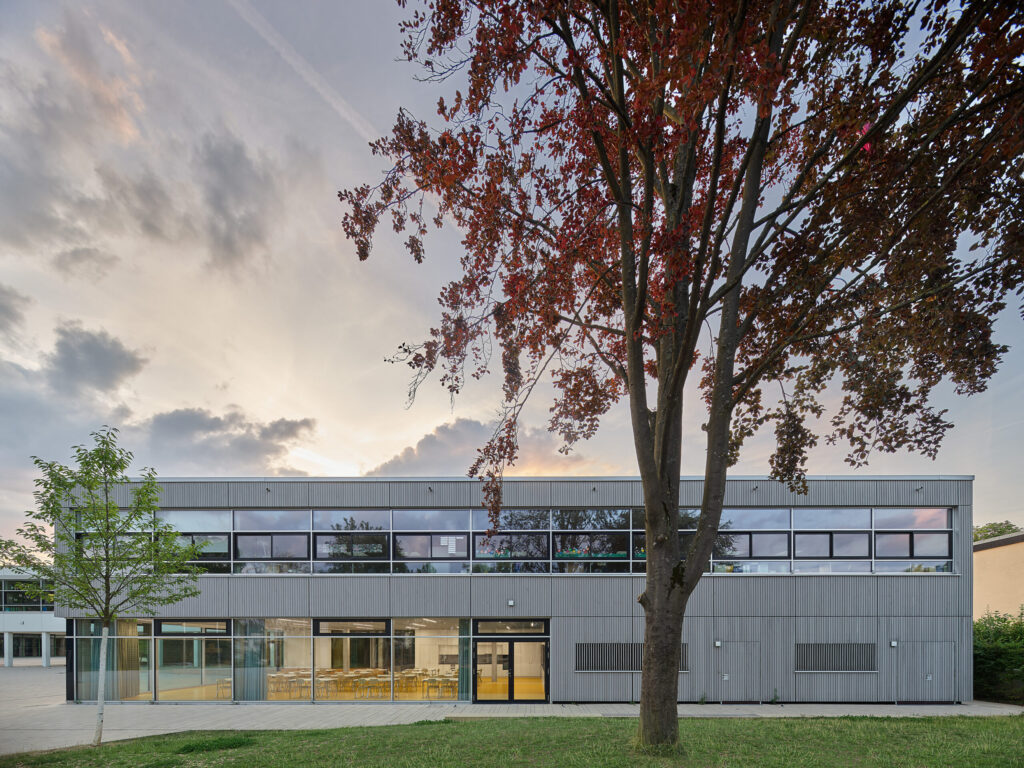
Friedrich-von-Keller-Schule in Ludwigsburg: Renovation as an Opportunity for Educational Architecture