Vision and knowledge combined: Only Copenhagen can do that
Anyone wishing to make progress in school construction needs more than just good ideas, attractive designs, or the appropriate budget. It is also vital to master the challenges of implementation. To achieve this, it is…
Anyone wishing to make progress in school construction needs more than just good ideas, attractive designs, or the appropriate budget. It is also vital to master the challenges of implementation. To achieve this, it is helpful to connect with the right people, share ideas, and jointly develop visions for future-oriented educational architecture.
On June 2, 2026, inspiring, committed, and experienced figures will come together at the Think Tank in Copenhagen. This event will not only be the launchpad for new projects but is also a rare opportunity to establish the contacts that make visionary goals possible in the first place.
These speakers await you in Copenhagen:
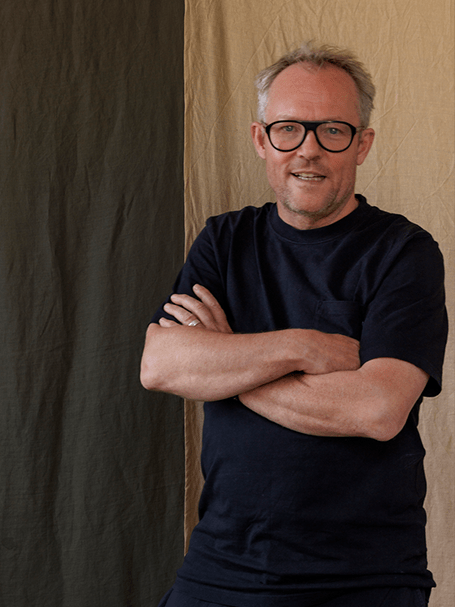
Søren Ejlersen
Søren Ejlersen is the founder of Gardens for Maver—one of the world’s most widespread school garden projects. He is also a co-founder of Fælleshaven A/S. As Vice Chairman of Aarstiderne A/S, he works on innovation and business development. The associated BaneGaarden is an award-winning destination for organic food and culture in Jernbanebyen. Finally, he is also involved in Noon, a catering and canteen company that cooks for nearly 3,000 people daily at Pakhus 47 in Nordhavn.
Presentation Topic
Søren Ejlersen’s presentation will focus on green start-ups that connect people and nature. Who else could bring more expertise to this topic? Drawing from his own experience, he can explain the challenges and variables he encountered along the way and what needs to be considered when implementing such plans.
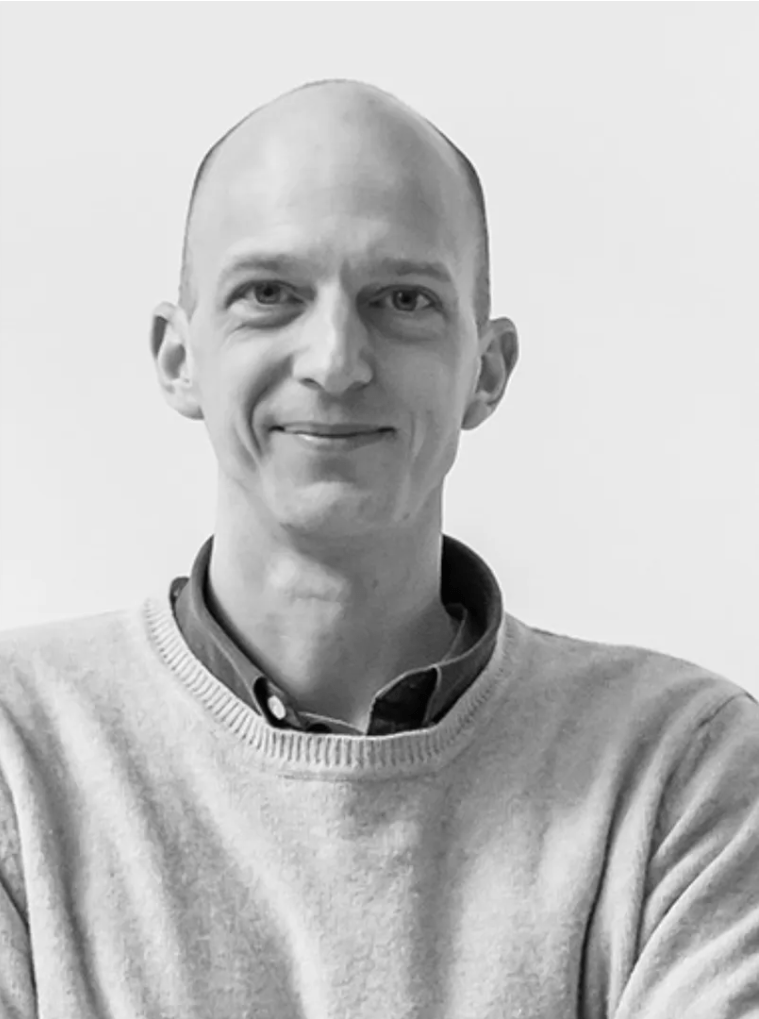
Rune Boserup
As an architect and project manager at Cobe Architects (Denmark), he is an expert not only in the design of buildings and public spaces but also in large-scale urban planning, both in Denmark and Germany. In Copenhagen, he will explain his approach to project planning and what must be considered to turn visions into reality.
Presentation Topic
His program title is “Urban regeneration with livability.” Using Nordhavn as an example, he will explain exactly how this goal can be achieved. Having been involved in the planning of Nordhavn as a project manager since 2008, he draws on a wealth of experience and is sure to leave no question unanswered.
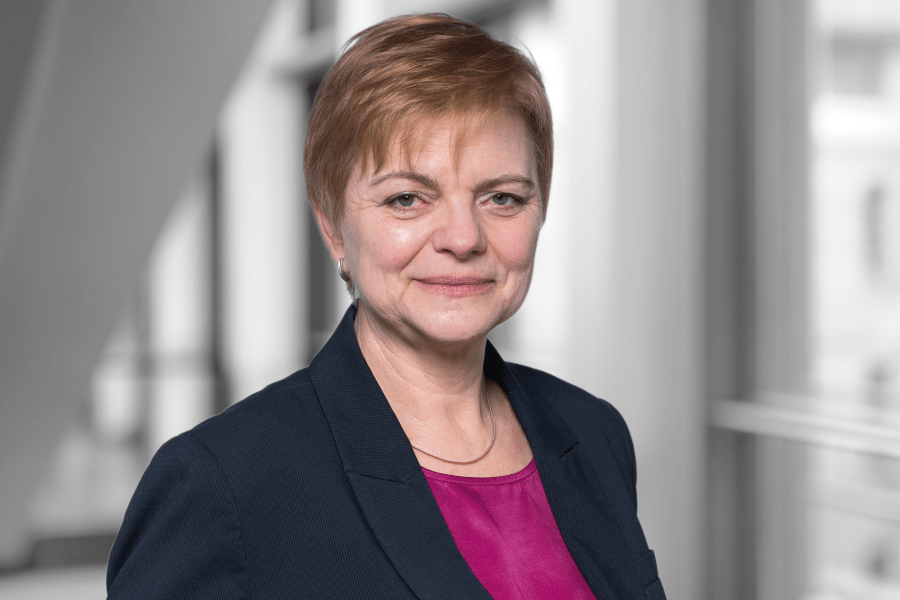
Kerstin Niendorf
As a speaker, the Head of the School Administration Office for the City of Stuttgart will make an important contribution to the understanding of urban development and planning in Germany. With around 150 municipal schools, Stuttgart is the largest school authority in the state of Baden-Württemberg. Consequently, Ms. Niendorf has extensive insight and practical experience regarding the challenges of planning and managing educational institutions.
Presentation Topic
At the Think Tank, she will speak about her future visions for the German school landscape. The focus will be on the significant role of open learning spaces and the broader use of educational facilities. Combined with a well-thought-out digitalization strategy, a new level of educational quality can be achieved.
Read more
Kerstin Niendorf gave us an interview for SCHULBAU Magazine. You can read it in issue 3 | 2026. A summary is available beforehand here.
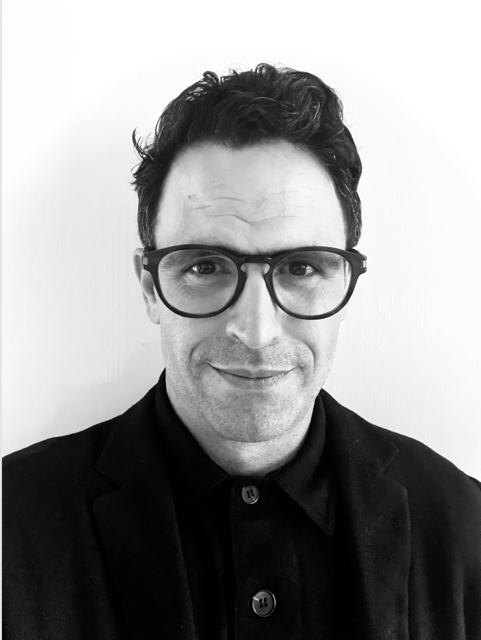
Mauritius Duarte
Mauritius Duarte is the founder of Kvartier Design and Kvartier Live. His mission is to create vibrant and livable urban neighborhoods for people and the environment itself. Furthermore, he aims to revolutionize the development of housing through co-financing. As a project leader for urban development, he stands out as a true visionary. Through his company, he shapes future-proof and sustainable neighborhoods and high-quality public spaces, which naturally include educational institutions.
Presentation Topic
The title of his presentation is “Urban Design for Quality of Life and Value Creation.” Mauritius Duarte is truly passionate about this topic and is sure to captivate the audience! As educational construction carries an ever-increasing responsibility in neighborhood development, this inspiring speaker will certainly ignite the imagination of the plenary session. His experiences and visions can be applied to many planned and future projects and will be an enrichment for every single one. The opportunity to ask him questions and discuss potential solutions is not to be missed.
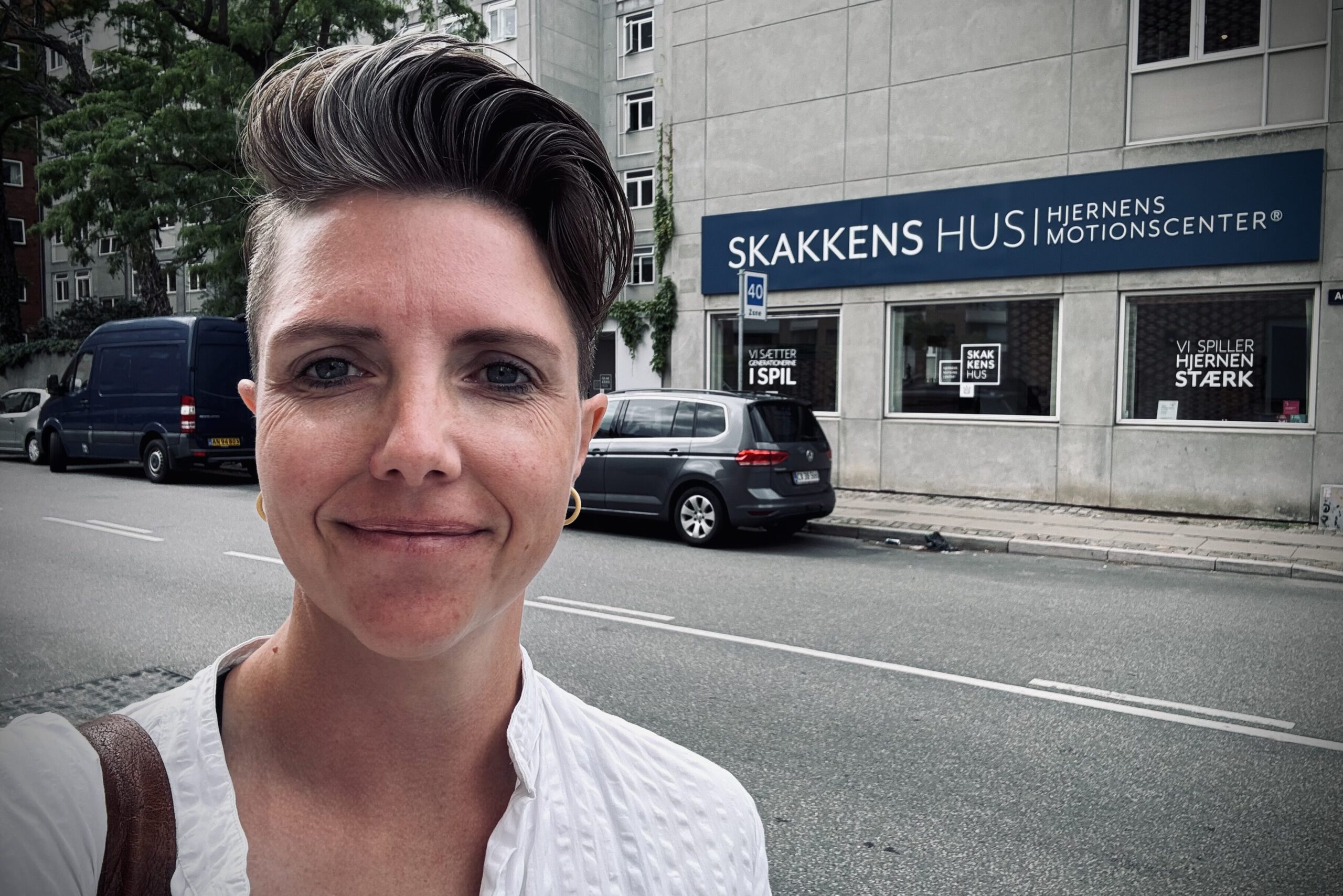
Lene Bitsch Bierbaum
The special education teacher is not only a member of the Haderslev municipal council—where she serves as vice-chair of the Social Affairs Committee, a member of the Children and Family Committee, and a board member of Vojens Hallerne—but she is also vice-chair of the Disability Council, chair of the school board at Moltrup School, and a mother of four. With her project “Skakkens Hus,” she also promotes the mental fitness of children and young people through an exciting school chess project, in addition to the sport of chess itself.
Presentation Topic
Lene Bierbaum’s presentation also centers on “Skakkens Hus.” She presents the background of the project, its content, and particularly the goals it pursues. Described as a “gym for the brain,” the project represents mental education and further training for those involved. Added to this is the social training aspect resulting from the interaction during chess, and of course, the technical training itself. You can find out exactly how all of this works in Copenhagen!
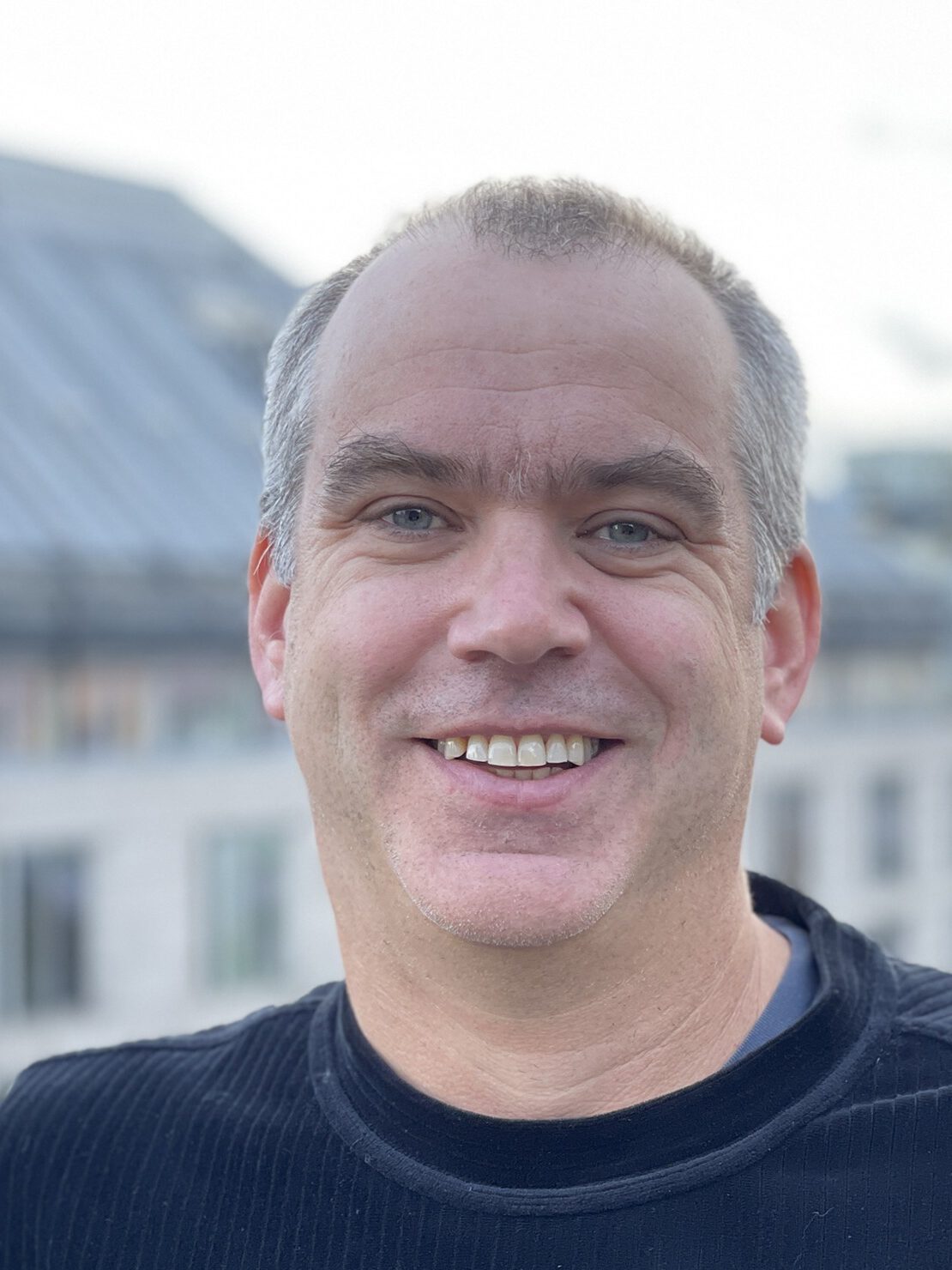
James Dodson
As the founder of SPINN Arkitekter, James Dodson is an expert in the design of educational spaces. He has already played a formative role in shaping educational architecture in Norway. He has successfully created multifunctional centers that skillfully reflect the needs of the local community. In doing so, he follows a clear philosophy that views schools and their learning environments as vital community spaces. Innovative ideas that align with changing government client requirements and produce future-proof educational facilities are a key driving force.
Presentation Topic
In his presentation on Cultural Synergies, he can draw from a wealth of experience. He will answer all questions on this important topic in a practical manner using real-world examples. In an increasingly multicultural world, this subject is becoming more significant. Anyone who has not yet considered these synergy effects will see them vividly after his presentation. In this way, visions are developed that can be integrated into and enrich one’s own projects.
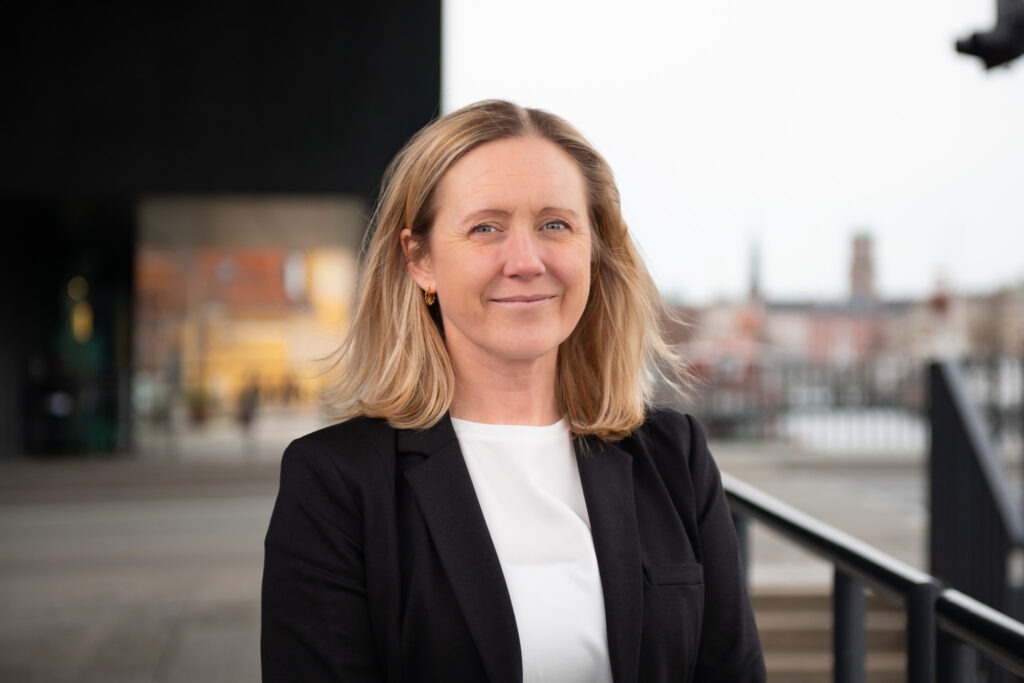
Christine Skovgaard Madsen
The Head of Department at the Danish Association of Construction Clients is involved in various development projects in the fields of welfare, construction, and client competencies. Furthermore, she is a member of the advisory board for the Client Academy association and the portfolio committee. Christine Skovgaard Madsen has worked for many years on the development and implementation of professional events in the construction industry. Her work focuses on learning success and the strategic importance of the client as a sparring partner.
Presentation Topic
Christine Skovgaard Madsen, together with Ulla Kjærvangs, conducted a study at 18 different schools in Denmark. There, they spoke with teachers, management, and students. The joint book SKOLENS RUM – hvordan vi skaber motiverende læringsmiljøer (SCHOOL SPACE – How we create motivating learning environments) presents the results in detail. She will present the most important findings derived from the study results. She will also discuss the experiences she gained during the implementation and evaluation of the data. Be inspired and learn how good educational building planning can strengthen communities, create better participation opportunities for all children, and foster closer relationships.
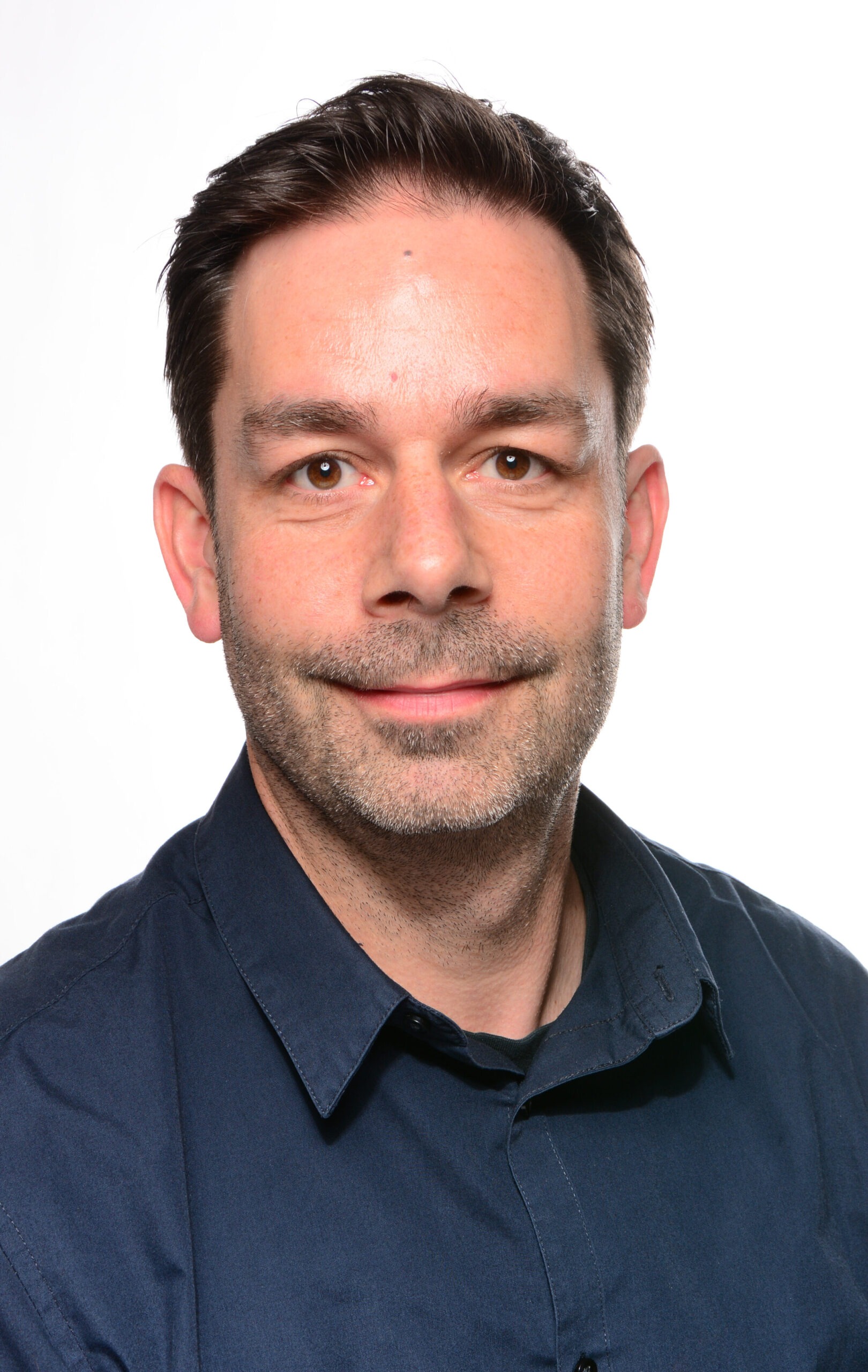
Marco Tschöp
Marco Tschöp is a team leader in the Project Management department for new buildings and extensions. Furthermore, he is responsible for general contractor projects at the School Administration Office of the State Capital Stuttgart. A trained carpenter and architect, he gained valuable practical experience in various architectural firms, including in the field of school construction, before joining the School Administration Office in 2011. He also serves as a school construction consultant for the Montag Stiftung Jugend und Gesellschaft in Bonn.
Presentation Topic
The presentation “NeckarPark Education Center” focuses on Stuttgart-Bad Cannstatt. This award-winning and sustainable project, featuring wood-hybrid construction, was realized as a turnkey development. The mix of uses—comprising an all-day primary school, a child and family center, an adult education center, and a double sports hall—is a prime example of modern educational infrastructure planning. His experience with the project is an eye-opener for anyone involved in such developments. Take the opportunity to speak with Marco Tschöp personally in Copenhagen about this exciting project and learn more about the details of its planning and implementation.
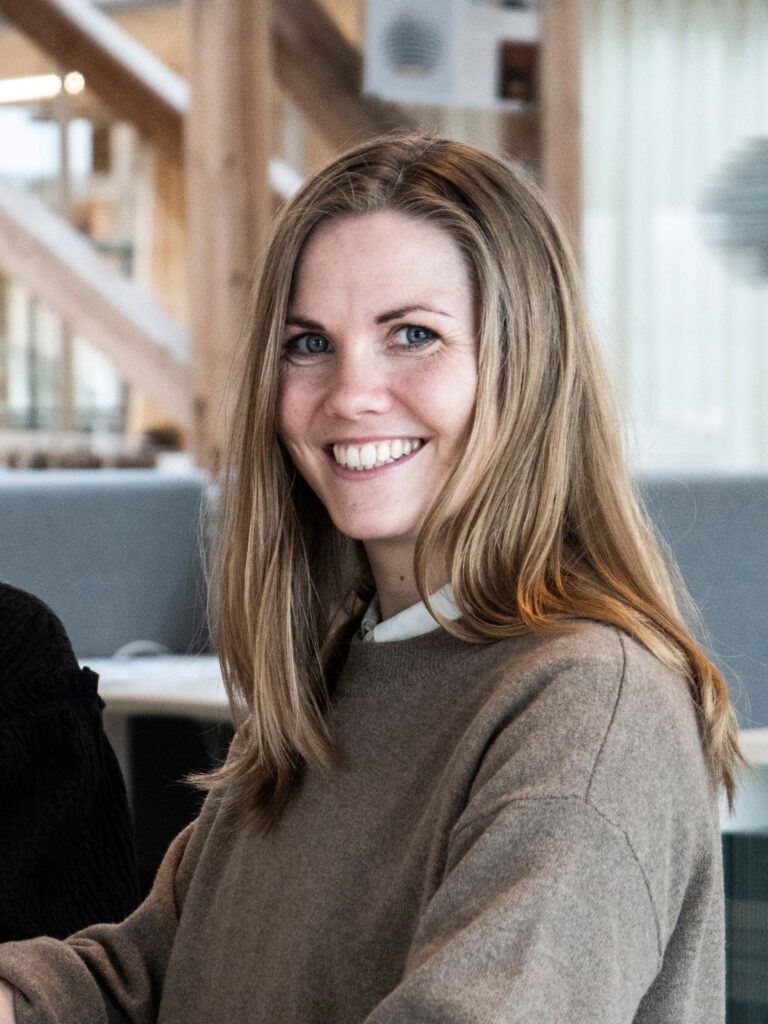
My Lunsjö
She works as an architect at 3XN, where she combines her architectural expertise in building architecture and urban planning with studies in environmental psychology. This allows her to integrate scientific findings on human environmental perception into her work. The understanding gained from the interactions between individuals and their environment noticeably enriches her projects. Her goal is to create an interdisciplinary symbiosis between research and practical application to optimize educational environments. For this, she also uses the GXN method for an evidence-based design approach.
Presentation Topic
My Lunsjö’s lecture explores how a bridge can be built between psychology and architecture. For her, environmental psychology is not merely a theory, but a kind of passion that also influences her day-to-day work as an architect. She will take the audience into the world of how different individuals perceive their surroundings and, based on the current state of research, explain why this is crucial for future-oriented planning of educational facilities. Even a technically and aesthetically driven field such as architecture benefits significantly from psychological understanding. Of course, the question of feasibility will not be neglected either. A perspective beyond one’s own horizon that you should not miss!
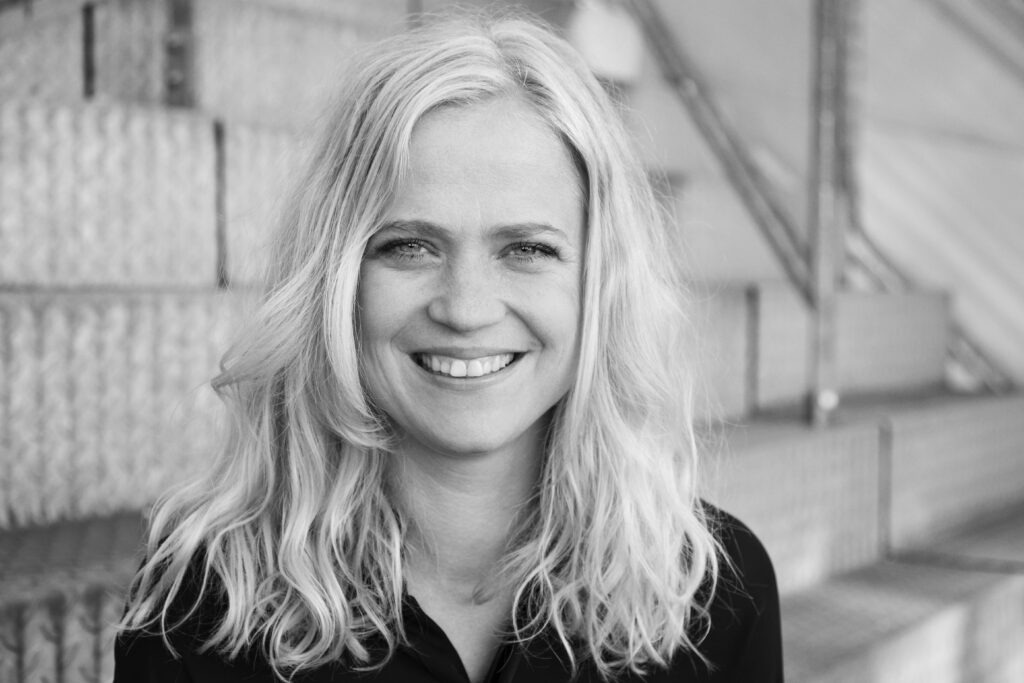
Astrid Mody
She works as a project manager in the Department of Children and Youth Work for the City of Copenhagen. She also leads architectural projects with a focus on the planning, design, and construction process of schools and daycare centers. Her expertise in the field of lighting design is particularly noteworthy, especially regarding questions of how light and architecture can be harmonized with the pedagogical practice of educational institutions or, ideally, enrich them.
Presentation Topic
Astrid Mody views architecture not only from a design perspective but also from the perspective of pedagogy, municipal planning, and everyday use. Through her work in the Copenhagen city administration, she can demonstrate how schools are actually created, which conflicts of interest arise between budget, pedagogy, and design, and how teachers, children, and the administration work together on educational spaces. Her presentation “On the Construction of Schools in Copenhagen Whose Architecture Supports Pedagogy” will be particularly exciting because she can provide concrete examples from completed schools and daycare centers in Copenhagen. This creates a vivid insight into how architecture can promote learning processes, community, and the well-being of children, and why spaces themselves become a part of pedagogy. In Copenhagen, you can personally approach Astrid Mody regarding these fascinating aspects and engage in inspiring discussions with her.
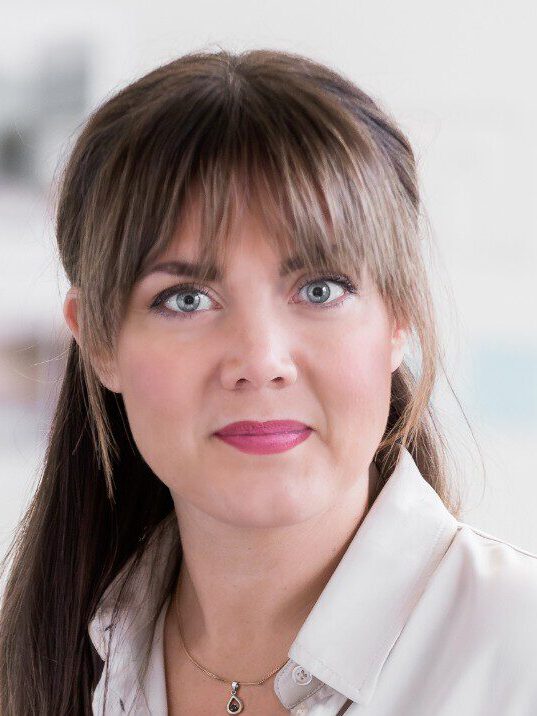
Sofia Lilja
The architect, office manager, and head of the educational architecture department at LINK Arkitektur in Sweden focuses intensively on learning environments, public architecture, and long-term municipal development. In doing so, she refers to both urban and rural contexts in Sweden. Sofia Lilja’s work focuses particularly on adaptable public architecture. This includes the transformation of social welfare buildings and, especially, future-oriented learning environments. Particular strengths of her work lie in process management, her collaborative methods, and high creativity in the implementation of processes. In further training, lectures, think tanks, and her professional networks, she is currently heavily involved with educational environments, accessibility, and public architecture.
Presentation Topic
Sofia Lilja’s presentation examines how demographic change, long-term municipal needs, and the restructuring of existing welfare state architecture affect today’s school architecture in Sweden. She addresses both urban and rural contexts. This is particularly interesting as the needs of different environments can diverge significantly and should therefore always be included in educational construction planning. In order to correctly assess municipal needs, her findings and experience are a compelling element from the client’s perspective, as well as from the perspective of architects, school management, and ultimately the residents. Speak with Sofia Lilja in Copenhagen to clarify any questions you may have had on this topic in the past and dive deep into this significant field.
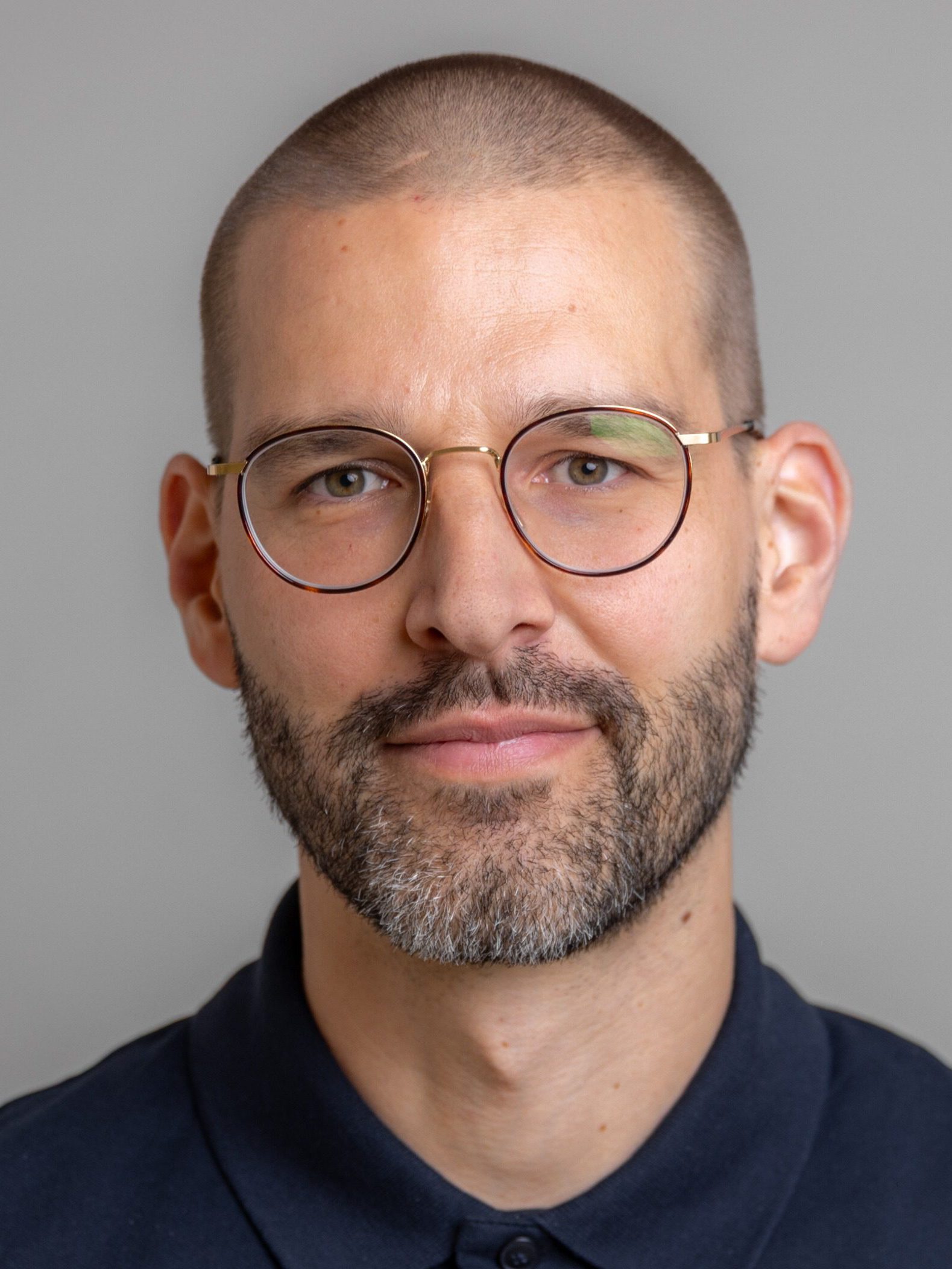
Tim Kostbade
Business psychologist Tim Kostbade is currently a consultant at Bildungsbau Bremen GmbH & Co. KG. He brings experience from previous roles at Robert C. Spies KG, Finnjark GmbH, Lifepark GmbH, and Becker Putztextilien GmbH. Based in Bremen, he possesses sound knowledge in the areas of management, customer relationship management (CRM), corporate strategy, marketing, project management, and other specialized fields. Furthermore, he is active in systemic business coaching and change management and conducts business training. He is also a member of the Junior Chamber International (Wirtschaftsjunioren) at the Bremen Chamber of Commerce.
Presentation Topic
The presentation Tim Kostbade is giving in Copenhagen focuses on “Bildungsbau Bremen in brief: Structure and next steps.” In it, he will provide the plenary with a clear impression of how educational construction is being advanced in the city-state of Bremen. He offers the audience deep insights into the challenges and implementation plans for this major North German city. In doing so, it becomes clear that not only is the new construction of educational properties important, but that existing building maintenance and management are of particular significance. Economic efficiency, sustainability, and financial feasibility will be thoroughly addressed as key aspects of the planning process.
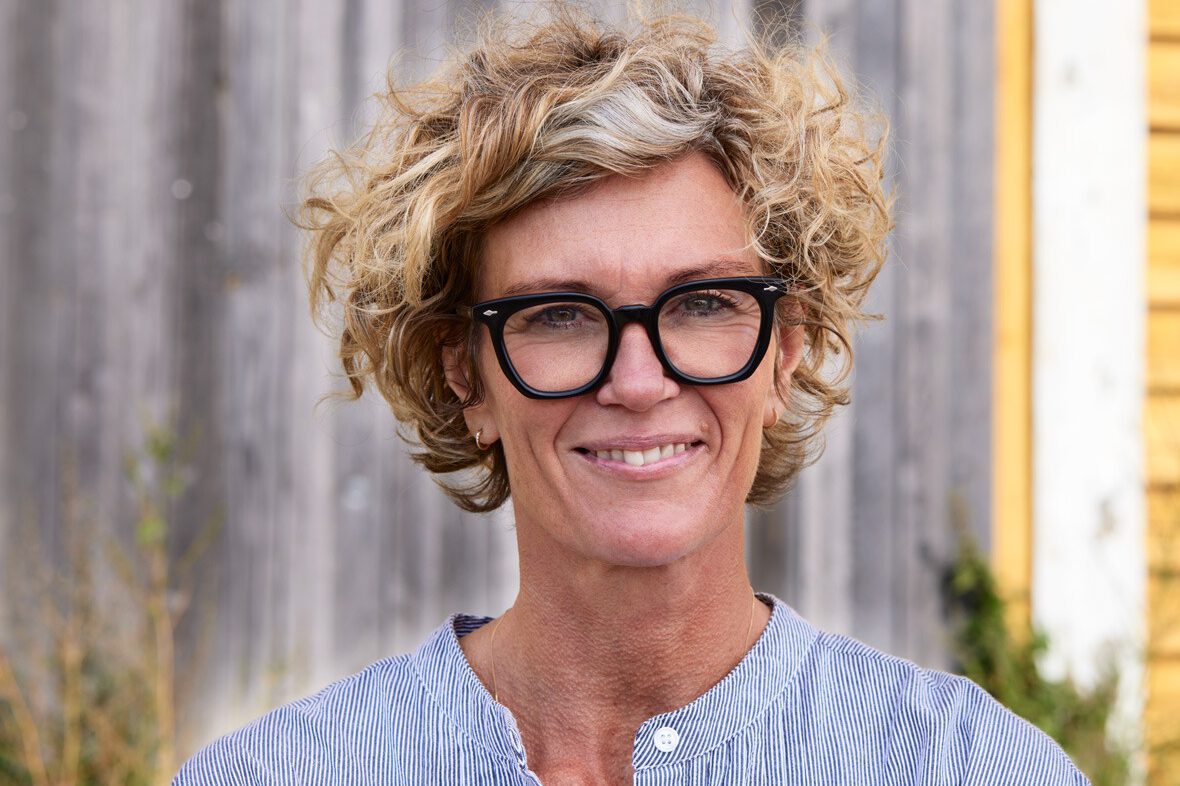
Lisbeth Juhl Christensen
This results-oriented, internationally experienced executive boasts a track record ranging from small-cap companies to large global corporations. She has extensive experience in turnarounds, business strategies, and the conceptual development of strategies and new business areas within the healthcare and life sciences sectors. In her work, she consistently delivers maximum impact, commitment, and quality. She holds a Master of Business Administration in Strategy and Management from the Aarhus School of Business, was a consultant at Directure, Director of the Nordic Health Lab innovation center, a consultant at one of Germany’s leading healthcare consultancies, and Director of the start-up Stemcare A/S; she is currently active at Novo Nordisk. As a mother of two, she is also dedicated to contributing to greater corporate sustainability and living in balance with nature.
Presentation Topic
Her presentation on June 2 in Copenhagen also focuses on her passion: “How can nature be a driver for the well-being of ‘us’ humans?” This question leads her directly into the heart of sustainability in educational construction. Sustainability is an aspect requiring special attention not only in new construction projects but particularly in the renovation of existing facilities. In addition to rising energy costs, which are increasing decision-makers’ sensitivity to the issue, Lisbeth Juhl Christensen brings an intrinsic drive to the subject that is both inspiring and infectious. She will demonstrate to the plenary that well-being and nature can only function hand in hand and must therefore be given special consideration in educational construction.
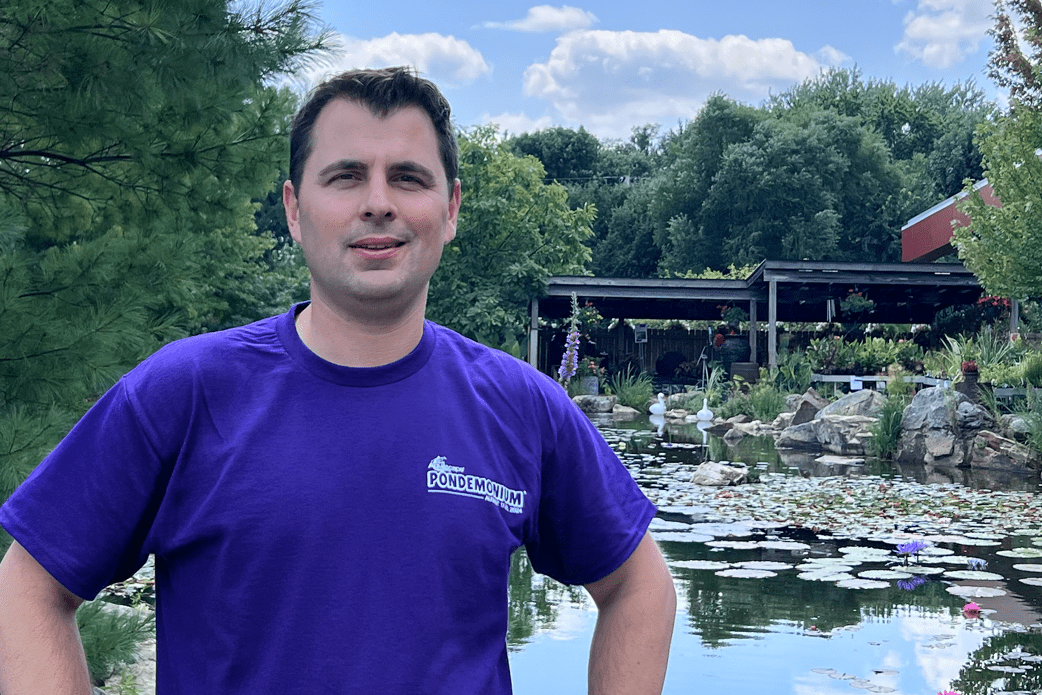
Joachim Fjeld
Joachim Fjeld is the owner of Aquascape Norge and the National Director for Norway at the Nordic Playground Institute. As a certified playground safety auditor, he has built extensive expertise and gained significant experience across various playgrounds in Norway. He applies this knowledge to the assessment and installation of new playgrounds. His own company, Aquascape Norge, specializes in the professional and aesthetic planning, installation, and maintenance of ecosystem ponds, fountains, irrigation, and rainwater systems. He combines these two areas of expertise to plan and implement water-based playgrounds tailored to specific needs.
Presentation Topic
His enthusiasm for water and sustainable playground planning is also reflected in his presentation. It will explore how nature can be introduced and brought back to schoolyards. This is to be achieved by using water as an ecological element that fosters an ecosystem. He will speak about his experiences with such projects in Norway, showcasing exciting examples of this modern and vital topic. Allow yourself to be swept away by his overflowing enthusiasm for the subject and take the opportunity to speak with him personally. He is sure to have excellent ideas for your upcoming projects and can help you develop them further.
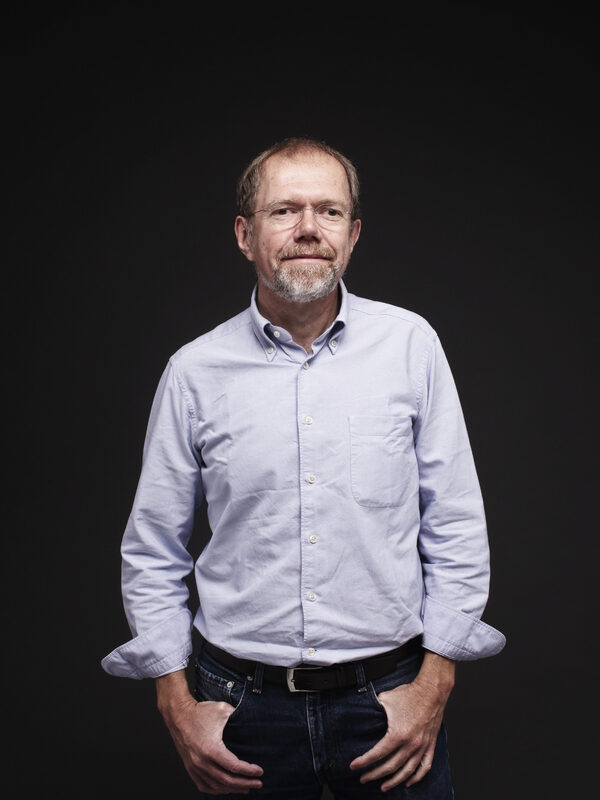
Jonas Kjellander
Born in Sweden, his work has been shaped by extensive stays in Asia and Latin America. He is a Senior Architect and Lighting Designer at Sweco Architects in Sweden. He has realized numerous public and private projects in architecture, interior design, and urban development, including schools, libraries, residential buildings, and public spaces, many of which have been published nationally and internationally. His international experience includes European countries such as Norway and Greece, as well as Malaysia, Mexico, and even China. His work focuses on socially sustainable spaces with a particular emphasis on children, pedagogy, and well-being. He has received multiple awards for his innovative approaches in lighting and architecture, including the Swedish and Nordic Lighting Awards. All in all, he is a true visionary in architecture, especially concerning the staging of light.
Presentation Topic
A lecture by Jonas Kjellander on “Light and Learning Environments – A Question of Inclusion” is therefore an absolute must for anyone seeking true inspiration! He will demonstrate how light can be far more than a functional element of architecture. Drawing on his diverse experience, he impressively conveys how light influences concentration, orientation, well-being, and social participation. His focus on inclusive and socially sustainable learning environments – particularly from the perspective of children – is formative. His lectures combine architectural vision, practical experience, and social relevance, making it clear how consciously designed spaces can positively transform learning and coexistence. Don’t miss this opportunity!
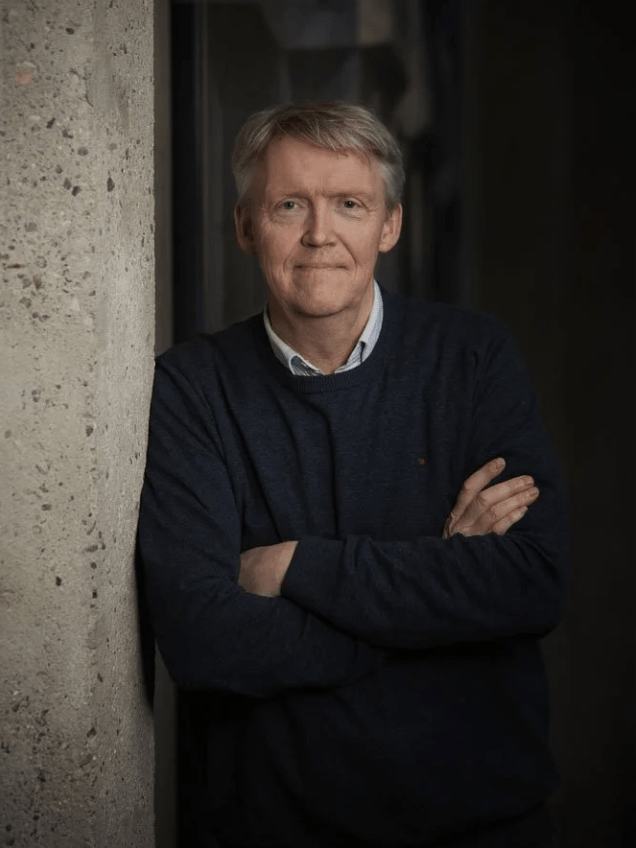
Lars Forsberg
With over 15 years of experience, Lars Forsberg develops innovative and sustainable solutions at the intersection of modern construction and human behavior. He pursues a holistic approach that opens new perspectives on the design of spaces. His work focuses on hygiene and environmental issues as well as their mutual interactions. His practical experience demonstrates that hygiene solutions must be consistently aligned with users’ needs—not the other way around. Only in this way can recurring challenges be sustainably avoided. As Managing Director of IWI Technology and Skoletoiletter.dk, he is a pioneer in his field.
Presentation Topic
His presentation will focus entirely on needs-based planning of school restrooms. Through his company, he has gathered extensive experience and best-practice solutions. Conversely, this has also enabled him to identify the most common mistakes in planning sanitary facilities and how to avoid them. School restrooms may not be the most popular topic, but they are certainly one of the most essential. During his presentation and in direct conversation on-site, Lars Forsberg can provide answers to all questions you may have on this subject.

Timo Schlosser
Leading the advisory group for pedagogical school construction at the Pedagogical State Institute of Rhineland-Palatinate requires interdisciplinary expertise at the intersection of pedagogy, school development, and architecture. Central to this role is an understanding of how spatial design supports pedagogical concepts and enables modern learning. This includes experience in school and organizational development, advising school authorities, and the ability to translate pedagogical requirements into sustainable spatial and usage concepts.
Presentation Topic
A contribution from Timo Schlosser to an international think tank, like ours in Copenhagen, will inspire you! As he consistently approaches school construction from the perspective of learning, he adds a significant viewpoint to the event. Professionally, he connects pedagogical concepts with spatial design and translates educational visions into concrete architectural principles. In the international exchange on June 2nd, he will demonstrate how schools can not only be built but also developed as flexible, inclusive, and future-proof learning spaces – thereby opening up new perspectives on the interplay of pedagogy and space.
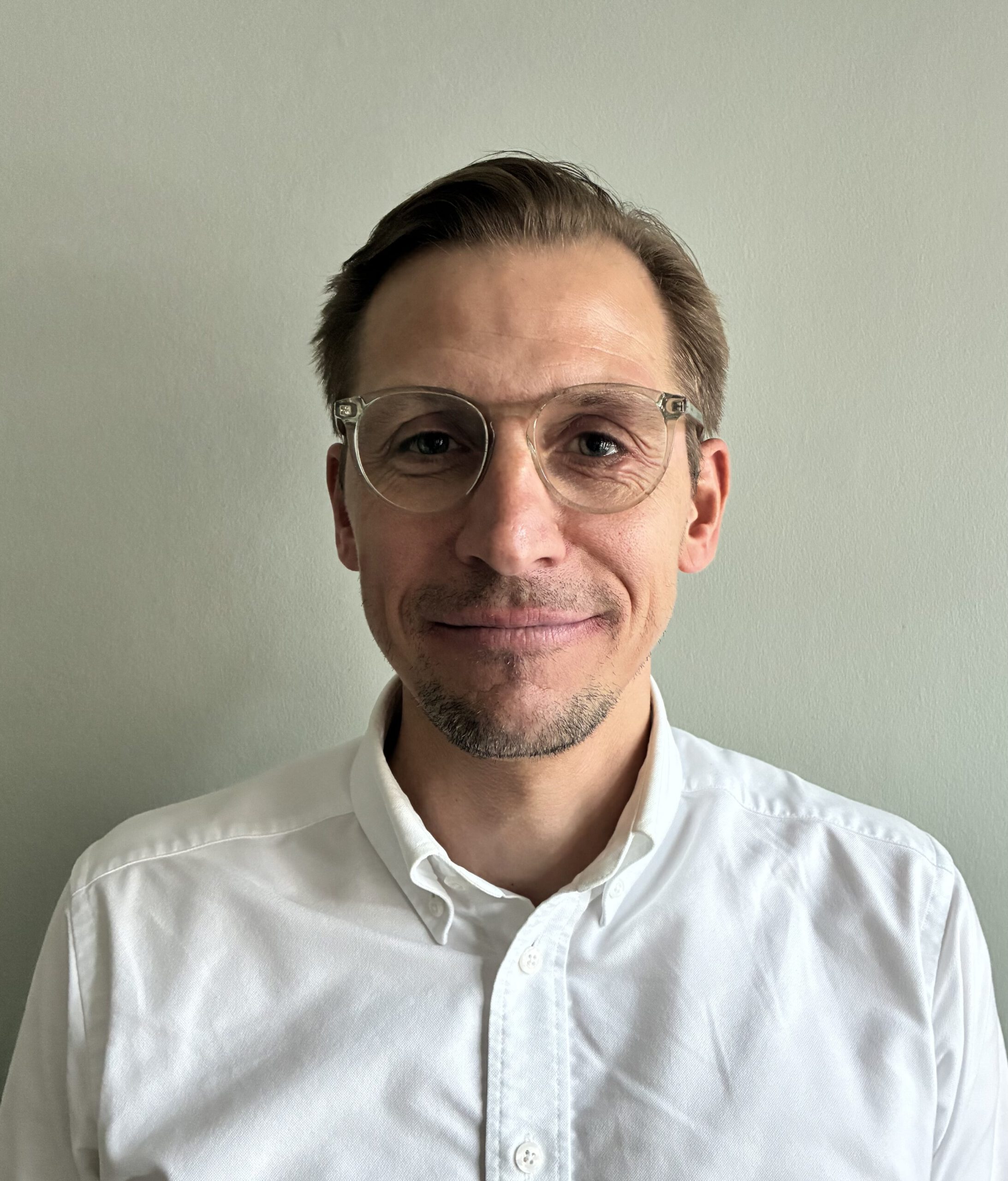
Lars Hornung Bahn
Since the 2000s, he has held senior roles at the intersection of education, public administration and social policy. A particular focus is educational construction and the strategic development of municipal education infrastructure: since 2015, he has worked with the City of Copenhagen’s Children and Youth Administration—initially as a special adviser and today as chief adviser. Previously, he served as a department head in several Danish ministries, including the Ministry of Children and Education and the Ministry of Children, Gender Equality, Integration and Social Affairs. This many years of experience have given him extensive expertise in managing complex education projects, developing future-ready learning environments, and fostering collaboration between administration, politics and educational institutions.
Presentation Topic
Together with Astrid Mody, he will deliver the presentation “On building schools in Copenhagen whose architecture supports pedagogy”. Lars Hornung Bahn’s many years of experience at the interface of education policy, public administration and social services give the contribution a strong practical relevance and strategic depth. His insights into the planning and implementation of educational construction projects clearly demonstrate how future-ready learning environments are created at municipal level. Drawing on Danish administrative practice, he presents concrete examples of successful management, collaboration and innovative approaches in educational construction. As a result, the joint presentation offers both well-founded knowledge and inspiration for the further development of modern educational landscapes—an enrichment for you as well.
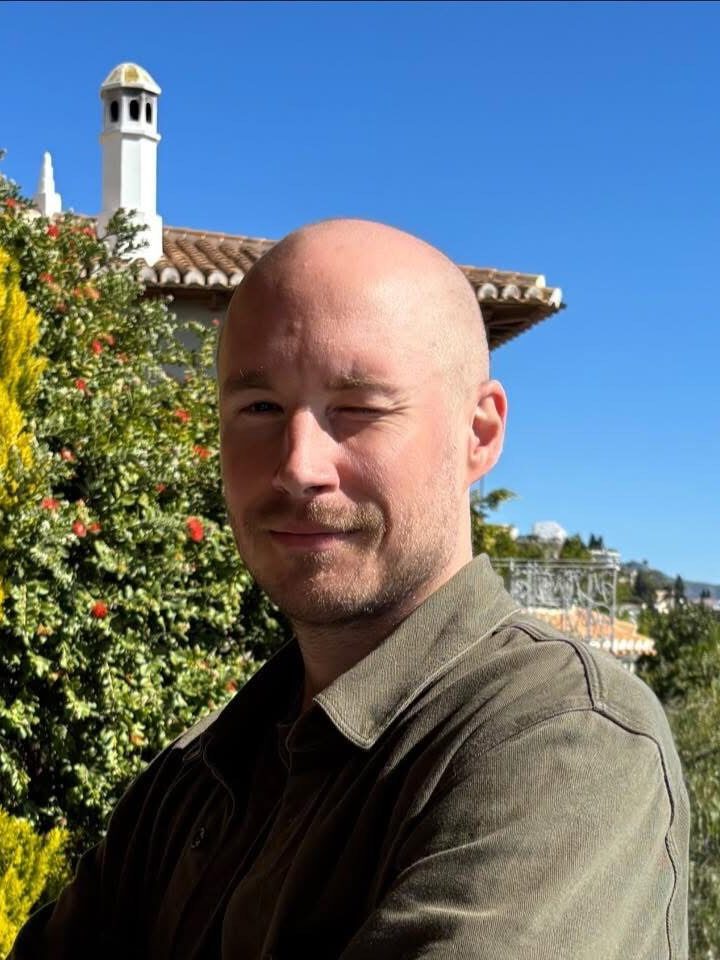
Max Johnsson
Even as a child, he was fascinated by flowing water, streams and waterfalls. After finishing school, as a self-taught professional, he took on his first commission in the field of stormwater and pond systems in the Swedish district of Västra Hamnen in Malmö, and was soon able to hold his own against larger providers. Over several years, he further developed the local water systems, optimised technology and design, and made aquatic installations increasingly functional and closer to nature. This gave rise to the idea of not only maintaining water landscapes, but designing them from the ground up so that they look and function naturally. Today, he stands for the combination of technical optimisation and nature-based design of water and landscape systems. Max Johnsson is so full of expertise and enthusiasm that in Copenhagen you will not be able to avoid dreaming with him of future-proof, climate-adapted and nature-based outdoor facilities.
Presentation Topic
His enthusiasm for water and nature-based design shapes his work and his view of public spaces. Accordingly, his lecture also focuses on how natural water systems can be integrated into schoolyards and open spaces—as vibrant, ecologically effective elements that create new places to spend time and new spaces for experience. Drawing on his many years of practice in developing and optimising stormwater and water landscapes, he shows how technical solutions and natural design can interlock. In doing so, he presents vivid examples of innovative, forward-looking projects from Scandinavia. His experience and creative approach make him an inspiring discussion partner for everyone seeking new ways to design outdoor spaces. Max Johnsson is certainly one of the most creative speakers on 2 June. Do not miss the inspiration from him and his co-speaker Joachim Fjeld!
Jeanette Frisk
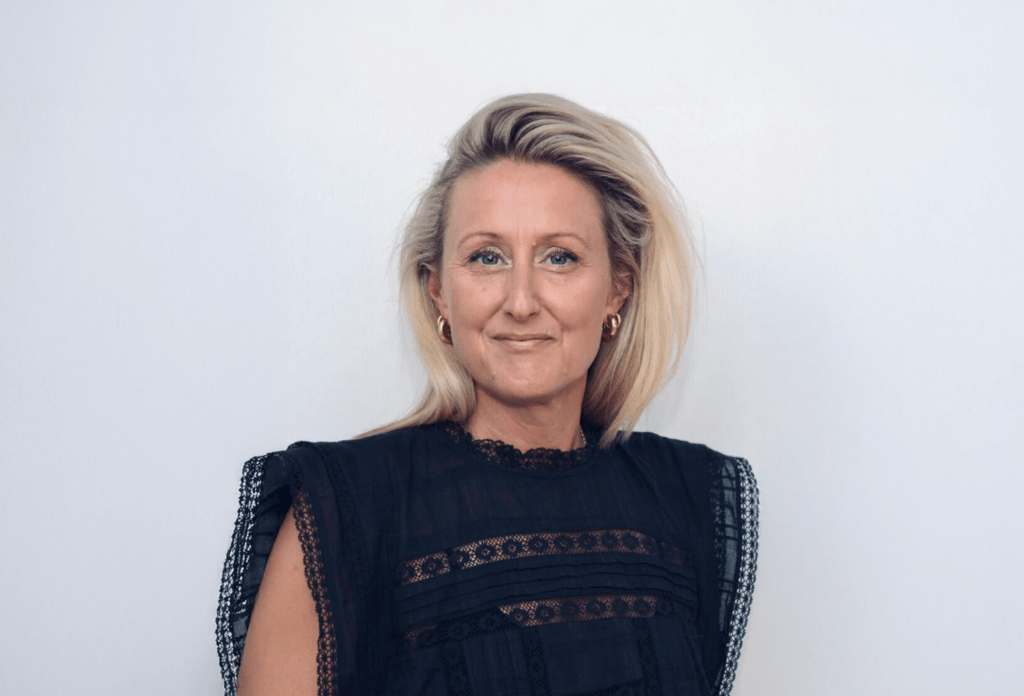
Jeanette Frisk is a founding partner of arki_lab as well as an architect MAA and urban designer with extensive international experience in developing innovative educational and urban spaces. As a key process facilitator and expert of the Nordic School Project at the Danish Embassy in Warsaw, she currently supports 15 Polish schools in 14 cities and thus has a comprehensive overview of current developments and challenges in Polish school construction. With her expertise in participatory urban and school development as well as co-developer of the “City as a Classroom” concept, she connects pedagogical, architectural, and urban perspectives. Her work in Denmark and international contexts makes her a valuable contributor to discussions on future-oriented learning environments, school construction, and the opening of education into urban space.
Presentation Topic
Her presentation “Designing Cities with Young People – Using the City as a Classroom” will enrich the Think Tank with important insights at the intersection of school construction, urban development, and contemporary pedagogy. Jeanette Frisk demonstrates through international experience and current projects in Poland and Scandinavia how cities themselves can become learning spaces and how young people can be actively involved in shaping their educational environments. The presentation opens new perspectives on schools as part of urban living space and provides practical approaches for participatory, open, and future-oriented learning environments. It thus makes a valuable contribution to discussions on innovative educational spaces and the role of architecture and urban planning for social participation and education. Do not miss this valuable contribution as well as the opportunity to network with the future market of Poland!
Michael Reiter
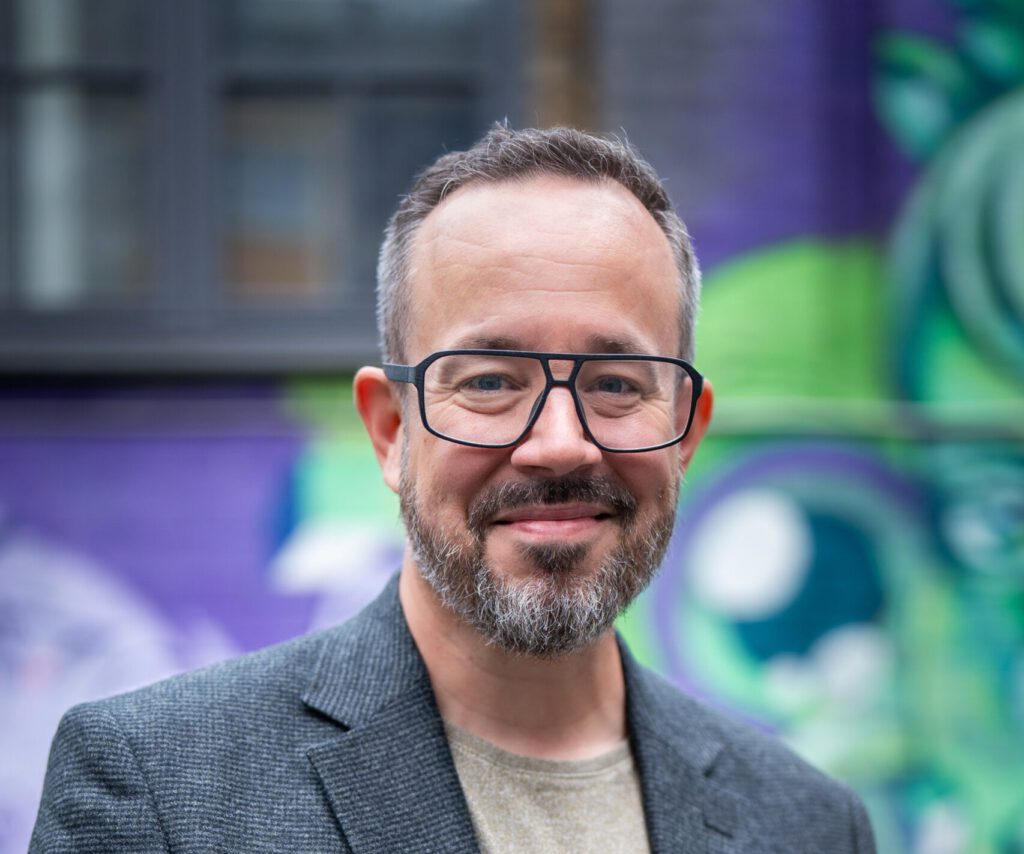
As the new Head of Press and Culture at the German Embassy in Denmark since January 2026, he combines journalistic experience, political expertise, and in-depth knowledge of German-Danish relations. The distinguished journalist previously worked for DR – Danmarks Radio for more than 13 years. Since August 2023, he has been living in Copenhagen again after spending 22 years in Berlin. There, he worked for almost eleven years as DR’s Germany correspondent, reporting on political, social, and cultural developments in Germany and Europe.
His work has always been characterised by sound analysis, vivid storytelling, and a particular focus on issues of importance to the Danish public. These include foreign and security policy, digitalisation, the green transition, the labour market, culture, and relations between Germany and Denmark. In his current role at the Embassy, he is responsible for press, culture, and language services, and works closely with media, cultural, and educational institutions in both countries, including the Goethe-Institut and the German Academic Exchange Service (DAAD).
With his many years of experience at the interface between the German and Danish public spheres, he brings a perspective that particularly enriches dialogue on shared political, social, and cultural challenges. His welcoming remarks on 2 June are therefore especially fitting, and the opportunity to exchange ideas with him on site will be particularly valuable for all participants.