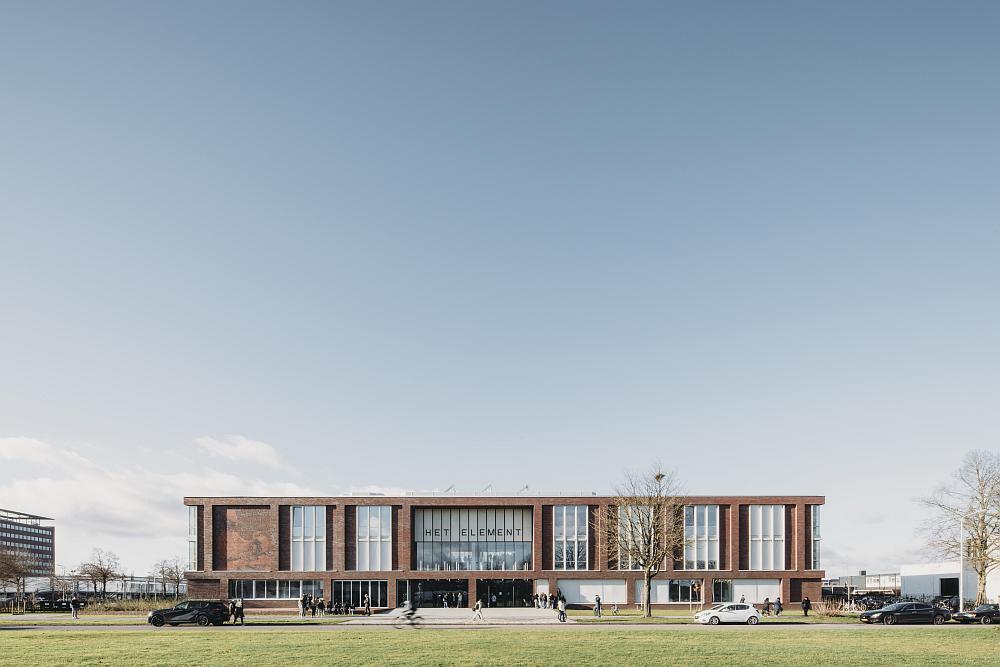
Berlin as a Living Lab for the Sustainable Transformation of Educational Buildings
How existing educational buildings can be sustainably developed is one of the central challenges for school and university providers. The ‘Transfor:Mathe’ Living Lab at TU Berlin investigates this question using the example of a mathematics…
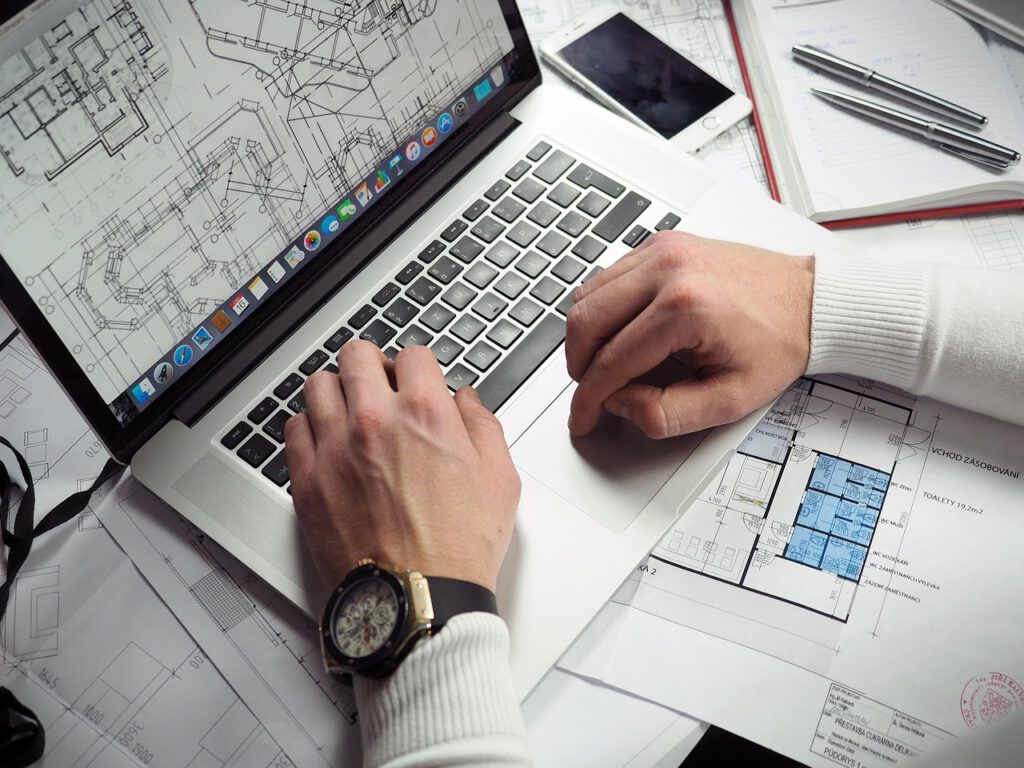
How existing educational buildings can be sustainably developed is one of the central challenges for school and university providers. The ‘Transfor:Mathe’ Living Lab at TU Berlin investigates this question using the example of a mathematics building from the 1980s in need of renovation. The approaches developed there are also of great importance for school construction, as they demonstrate how existing buildings can be adapted to current requirements in a resource-efficient manner.
Preserve Existing Structures, Optimize Use
The focus is on strategies that combine the preservation of existing building fabric with an improvement in use, energy efficiency, and quality of stay. This includes efficient usage concepts that enable demand-oriented and flexible use of spaces, thereby saving resources and operating costs. At the same time, the project pursues a minimally invasive renovation approach, where the existing building fabric is preserved as much as possible and interventions are limited to what is necessary.
Low-Tech as a Future Strategy
Another focus is on low-tech solutions for building operation. Instead of relying on complex technical systems, passive measures such as external sun protection, natural ventilation, optimization of the building envelope, and the use of the thermal storage mass of existing components are investigated. The goal is to reduce energy consumption while creating a healthy and comfortable indoor climate.
Spaces for Encounter and Identity
Furthermore, the Living Lab emphasizes the importance of social open spaces and architectural-cultural qualities. Existing buildings often possess spatial potential and identity-forming features that can be strengthened through targeted adaptations. For schools, this means developing learning and recreational spaces not only functionally but also as places of encounter and community.
Impetus for the School Construction of the Future
The project clearly demonstrates that sustainable educational building does not necessarily mean new construction. Rather, the intelligent transformation of existing buildings offers significant potential for climate protection, resource conservation, and the long-term safeguarding of high-quality learning environments. Thus, ‘Transfor:Mathe’ provides important impulses for a future-oriented approach to school buildings.

You might also be interested in
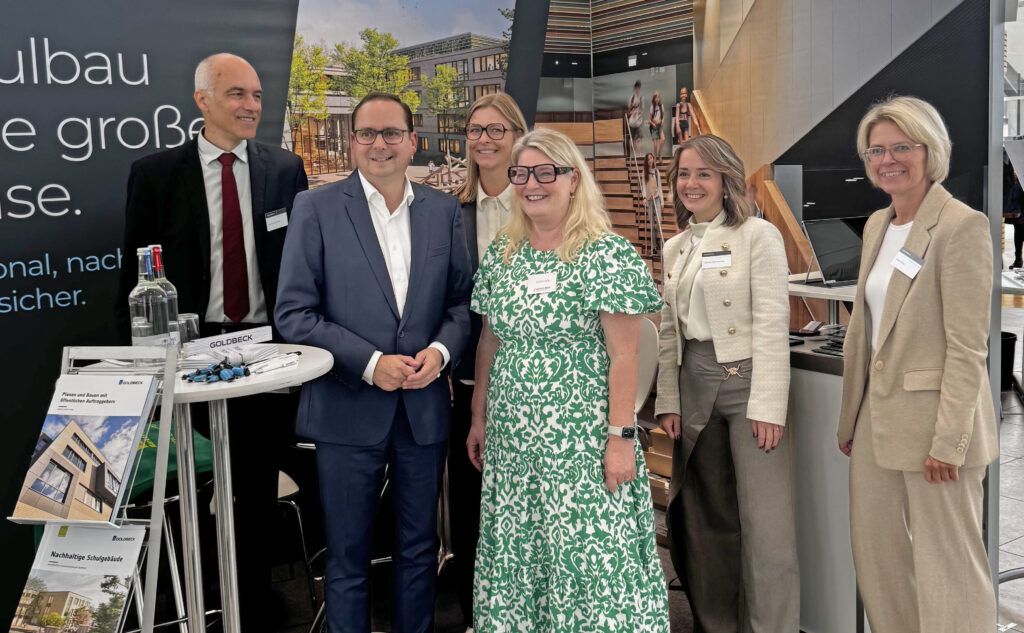
SCHULBAU Fair
SCHULBAU Essen 2025 – Successful industry meeting for educational construction
Architecture, SCHULBAU
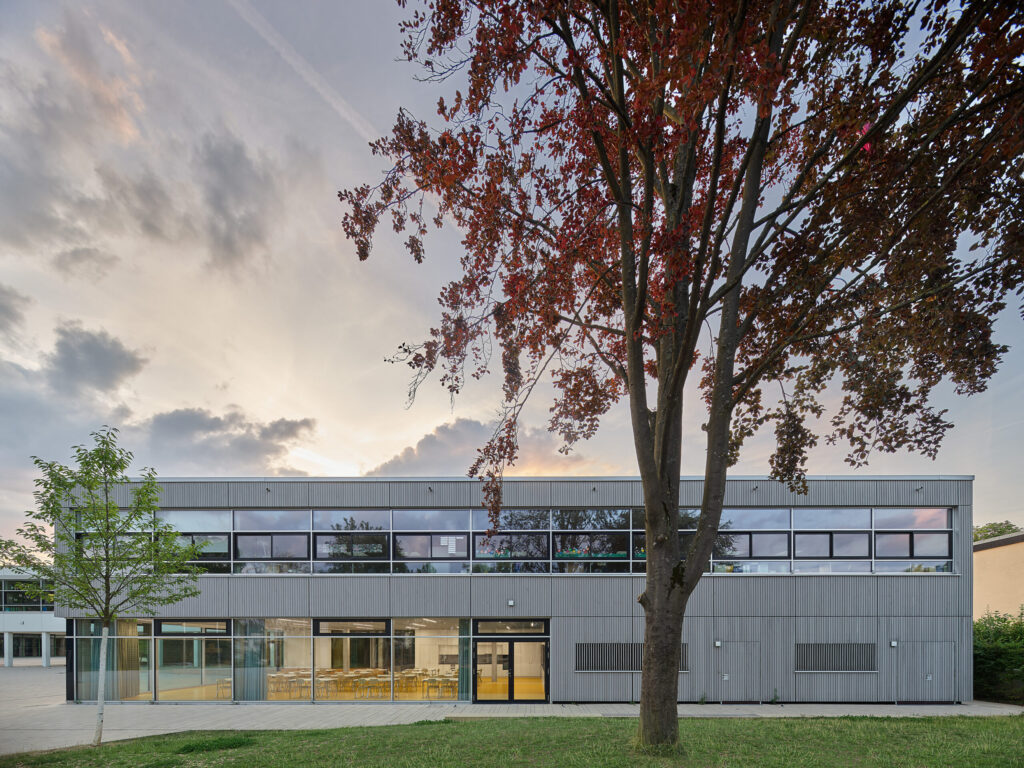
Friedrich-von-Keller-Schule in Ludwigsburg: Renovation as an Opportunity for Educational Architecture